In this article
Introduction
Imagine planting your vegetable garden in early spring, only to find your newly sprouted seedlings wilting or completely gone. This frustrating scenario is often caused by cutworms, the larvae of various moth species that feast on young plants at their base. These pests can wreak havoc on your garden, making it essential to identify and implement effective strategies for control.
This article will provide you with comprehensive methods on how to get rid of cutworms. You’ll learn about preventive measures, physical barriers, organic solutions, and chemical options to protect your plants. With the right approach, you can safeguard your garden from these destructive pests.

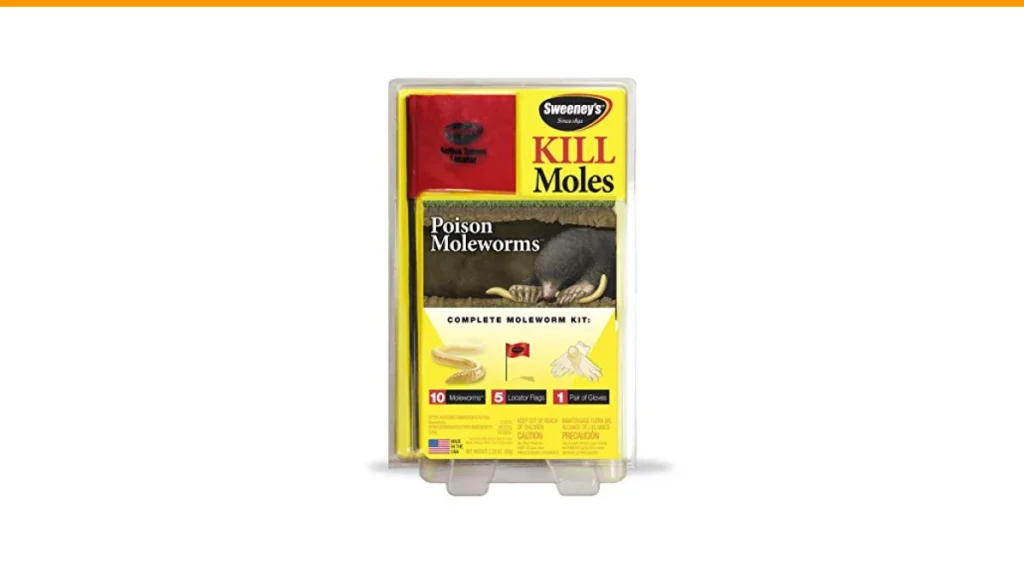
Sweeney's
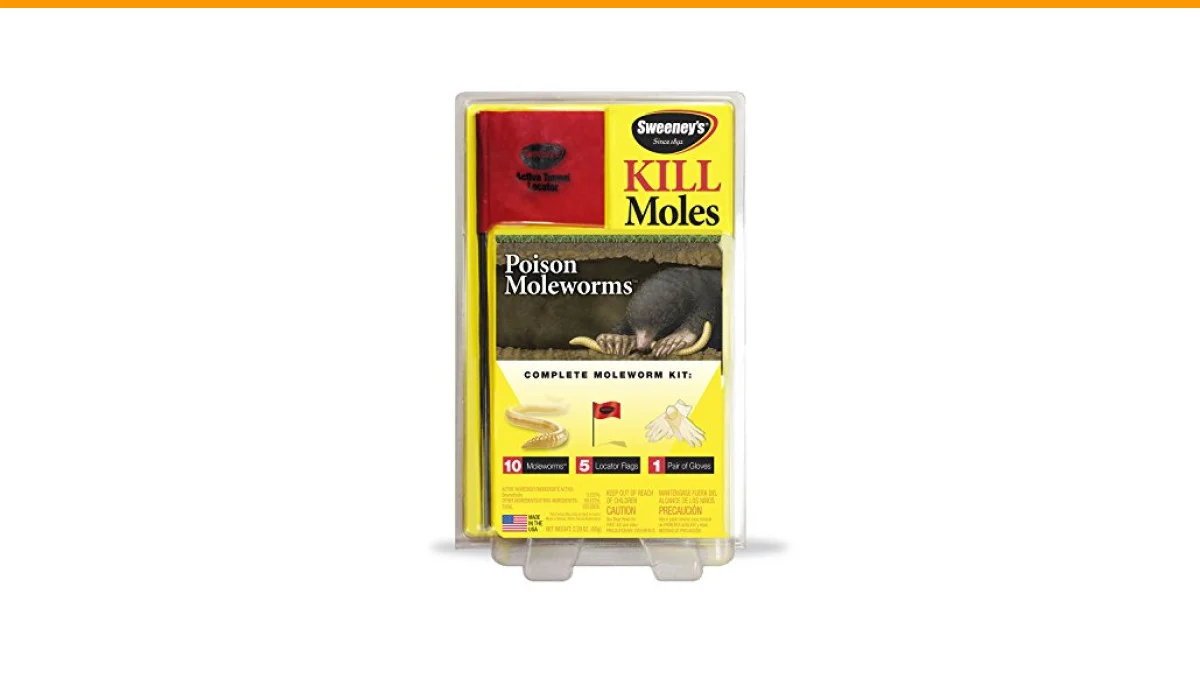
Sweeney's S6009 Poison Moleworms 2.29 Oz
- Quickly and effectively kills moles
- Includes 5 active tunnel locator flags, 10 worms and 1 protective glove for safe handling of the bait.
- Uniquely formulated to be palatable to moles
One tool that can support your efforts is Sweeney’s S6009 Poison Moleworms. While primarily aimed at controlling moles, these bait worms can help manage underground pests effectively. They come with active tunnel locator flags and are designed to appeal to moles, which can indirectly assist in a broader pest management plan.
Understanding Cutworms
Cutworms are typically brown or gray and can grow up to 2 inches long. They hide in the soil during the day and come out at night to feed on plants. Their behavior makes them particularly challenging to spot. Understanding their life cycle helps in timing control measures effectively. Cutworms emerge primarily in the spring as soon as the soil warms. They lay eggs in the soil, and within a week, larvae hatch and start feeding.
Cutworms are most problematic for young plants, particularly seedlings. They can sever the stems of plants just above the soil line, leading to sudden plant death. Monitoring your garden regularly can help catch these pests before they cause significant damage.
Preventive Measures
Preventing cutworm infestations is often more effective than dealing with them after they’ve taken root. Here are some strategies:
- Soil Preparation: Before planting, till the soil to disrupt cutworm eggs and larvae.
- Crop Rotation: Avoid planting the same crops in the same area each year. This reduces the likelihood of cutworms returning to feed on familiar plants.
- Mulching: Using a layer of mulch can deter cutworms. Organic materials like straw or wood chips create a barrier that prevents the larvae from reaching your seedlings.
- Companion Planting: Incorporate plants that repel cutworms, such as marigolds or garlic, near vulnerable crops.
Physical Barriers
Using physical barriers can provide immediate protection for your seedlings. Here are some effective methods:
- Collars: Create collars from cardboard or plastic to encircle the base of young plants. Ensure they extend a couple of inches above the soil and several inches deep into the soil.
- Row Covers: Lightweight fabric row covers can protect seedlings from cutworms while allowing sunlight and moisture to reach them.
- Handpicking: In smaller gardens, manually inspecting the soil around plants and removing any visible cutworms can be very effective.
Organic Solutions
If you prefer an organic approach, several solutions can help manage cutworms:
- Nematodes: Beneficial nematodes are microscopic roundworms that can be introduced to the soil. They infect and kill cutworm larvae while being harmless to plants and beneficial insects.
- Insecticidal Soap: Spraying insecticidal soap can help if you spot cutworms on leaves. This method can suffocate them without harming the environment.
- Garlic Spray: A homemade garlic spray can deter cutworms, as they dislike the smell. Mix crushed garlic with water, strain, and spray on affected areas.
Chemical Solutions
While organic methods are often preferred, sometimes chemical solutions are necessary. Here are some options:
- Pyrethrin: Derived from chrysanthemum flowers, pyrethrin is a natural insecticide that can effectively kill cutworms upon contact.
- Diatomaceous Earth: This powdery substance can be sprinkled around plants. Its abrasive nature damages the cutworm’s exoskeleton, leading to dehydration.
- Chemical Insecticides: If infestations are severe, consider using a targeted insecticide labeled for cutworm control. Always follow the instructions carefully and apply during calm weather to minimize drift.
Comparison of Control Methods
| Method | Effectiveness | Ease of Use | Environmental Impact |
|---|---|---|---|
| Soil Preparation | High | Moderate | Low |
| Physical Barriers | High | High | Very Low |
| Organic Solutions | Moderate | Moderate | Very Low |
| Chemical Solutions | High | Low | Moderate |
FAQs about Cutworms
What do cutworms look like?
Cutworms are typically brown or gray and can reach lengths of about 2 inches. They have a smooth body and can curl into a C-shape when disturbed.
When are cutworms most active?
Cutworms are primarily active at night. They emerge in early spring when soil temperatures rise, making young seedlings particularly vulnerable.
How can I tell if cutworms are affecting my plants?
Look for signs of wilting or sudden plant collapse at the soil line, where cutworms often sever stems. You may also find cutworms hiding in the soil near these plants.
Can cutworms be controlled naturally?
Yes, there are several natural methods for managing cutworms, including using nematodes, insecticidal soaps, and garlic sprays. These methods are eco-friendly and can be very effective.
Is it necessary to use chemical pesticides for cutworms?
While chemical pesticides can be effective, they are not always necessary. Many organic and physical methods can control cutworm populations effectively.
Final Thoughts
- Regularly monitor your garden for signs of cutworms.
- Implement preventive measures like soil preparation and crop rotation.
- Use physical barriers to protect seedlings effectively.
- Explore organic solutions like beneficial nematodes and insecticidal soap.
- Consider chemical solutions only if infestations are severe.
- Combine various methods for the best results against cutworms.
- Stay informed and adapt your strategies as needed for a healthy garden.