
Imagine stepping into your garden, only to find your beloved plants wilting due to an unexpected fungal infection. As an organic gardener, you want to avoid synthetic chemicals but need a reliable solution. Copper fungicide comes into play here, offering a natural way to manage plant diseases without sacrificing your organic gardening principles.
This article will explain what copper fungicide is, how to use it effectively, and address common misconceptions. You’ll leave with a solid understanding of how to protect your plants and ensure a bountiful harvest.
Bonide
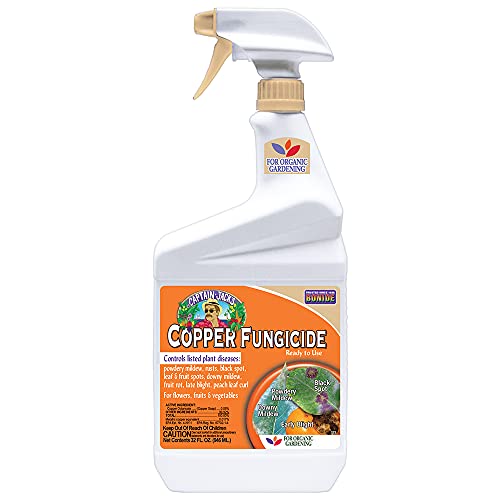
Bonide Captain Jack's Copper Fungicide, 32 oz Ready-to-Use Spray for Organic Gardening, Controls Common Diseases, for All Plants
- Control fungus and disease in your garden with Captain Jack’s ready-to-use Liquid Copper Fungicide!
- Approved for organic gardening, this fungicide is suitable for the production of organic produce and can even be used up until the…
- Copper Fungicide effective in the control and prevention of a wide range of plant diseases. Listed common garden diseases include…
A great option for those looking to use copper fungicide is Bonide Captain Jack’s Copper Fungicide. This ready-to-use spray is approved for organic gardening, making it suitable for various plants while controlling common diseases like blight and powdery mildew.
What is Copper Fungicide?
Copper fungicide is a natural product made from copper salts, which work to inhibit the growth of fungal pathogens. It’s been used for over a century in agriculture and is effective against a wide range of diseases, including:
- Blight
- Powdery mildew
- Black spot
- Peach leaf curl
When using copper fungicide, it’s essential to understand the role of copper in plant health. While copper is a necessary micronutrient for plants, excessive amounts can lead to toxicity. Thus, following application guidelines is critical for maintaining plant health.
Common Misconceptions about Copper Fungicide
Myth: Copper Fungicide Is Harmful to Soil Health
Many gardeners worry that copper fungicide will damage soil microorganisms. While high concentrations can be harmful, proper use in recommended amounts minimizes any adverse effects. Studies show that when used responsibly, copper fungicide should not significantly disrupt soil health.
Myth: All Copper Fungicides Are Created Equal
Not all copper fungicides have the same formulation. Some contain additional ingredients that may not be suitable for organic gardening. Always check for organic certification if you want to adhere strictly to organic practices. Products like Captain Jack’s Copper Fungicide are specifically designed for organic use, ensuring safety for your plants and soil.
How to Use Copper Fungicide Effectively
Applying copper fungicide correctly is vital for effectiveness. Here’s a simple step-by-step guide:
- Identify the Disease: Before application, confirm the presence of a fungal disease to ensure you’re treating the right issue.
- Check Weather Conditions: Apply during dry weather. Rain can wash away the fungicide, reducing effectiveness.
- Read Instructions: Follow the product label directions for dilution and application frequency. For instance, Captain Jack’s recommends thorough coverage of affected plants.
- Apply Correctly: Use a spray bottle or garden sprayer to evenly coat leaves, stems, and soil. Don’t forget the undersides of leaves, where spores can hide.
- Monitor Results: Evaluate the effectiveness after a week. If necessary, reapply according to the product guidelines.
Timing is crucial. For many crops, applying copper fungicide at the first sign of disease can prevent further outbreaks.
Comparison of Copper Fungicide Options
| Product | Active Ingredient | Size | Organic Certified |
|---|---|---|---|
| Bonide Captain Jack’s | Copper sulfate | 32 oz | Yes |
| Southern Ag Liquid Copper | Copper hydroxide | 32 oz | Yes |
| Natural Guard Copper Soap | Copper soap | 16 oz | Yes |
| Safer Brand Garden Fungicide | Copper sulfate | 32 oz | No |
When choosing a copper fungicide, consider factors like active ingredients and whether the product is organic certified. This can help you make informed decisions about what to use in your garden.
FAQs about Copper Fungicide for Organic Gardening
1. How often should I apply copper fungicide?
Frequency depends on the specific product and the disease being treated. Generally, applications can be made every 7-10 days until the problem is under control.
2. Can I use copper fungicide on all plants?
Most plants can tolerate copper fungicide, but always check the label. Some sensitive plants may react poorly.
3. Is copper fungicide safe for edible plants?
Yes, copper fungicide is safe for edible plants, provided it’s applied according to the label instructions. You can use it right up to the day of harvest.
4. Can I mix copper fungicide with other pesticides?
Avoid mixing copper fungicide with other products unless specified on the label. Combining chemicals can lead to reduced effectiveness or plant damage.
5. What should I do if I accidentally apply too much?
If you’ve over-applied, rinse the area with water. Monitor your plants for signs of copper toxicity, such as leaf burn or wilting.
Final Tips for Successful Organic Gardening
- Choose certified organic copper fungicides.
- Apply during dry weather for best results.
- Monitor plant health regularly to catch issues early.
- Follow label instructions carefully to avoid over-application.
- Combine with good garden practices, like crop rotation and proper spacing, to minimize disease risk.
- Consider using other organic methods like neem oil or baking soda as part of an integrated approach.
Copper fungicide is a powerful tool for organic gardening. When used responsibly, it can help you maintain a healthy garden while adhering to organic principles.

