Imagine spending hours nurturing your vegetable garden, only to find that voles have turned your hard work into their buffet. This common issue can be incredibly frustrating for gardeners, especially when these small rodents feast on your crops. Understanding how to control voles effectively is essential for preserving your garden’s health and productivity.
This article offers practical insights into vole control in your vegetable garden. You’ll learn about the various methods available, their effectiveness, and how to choose the right one for your needs.

MouseX
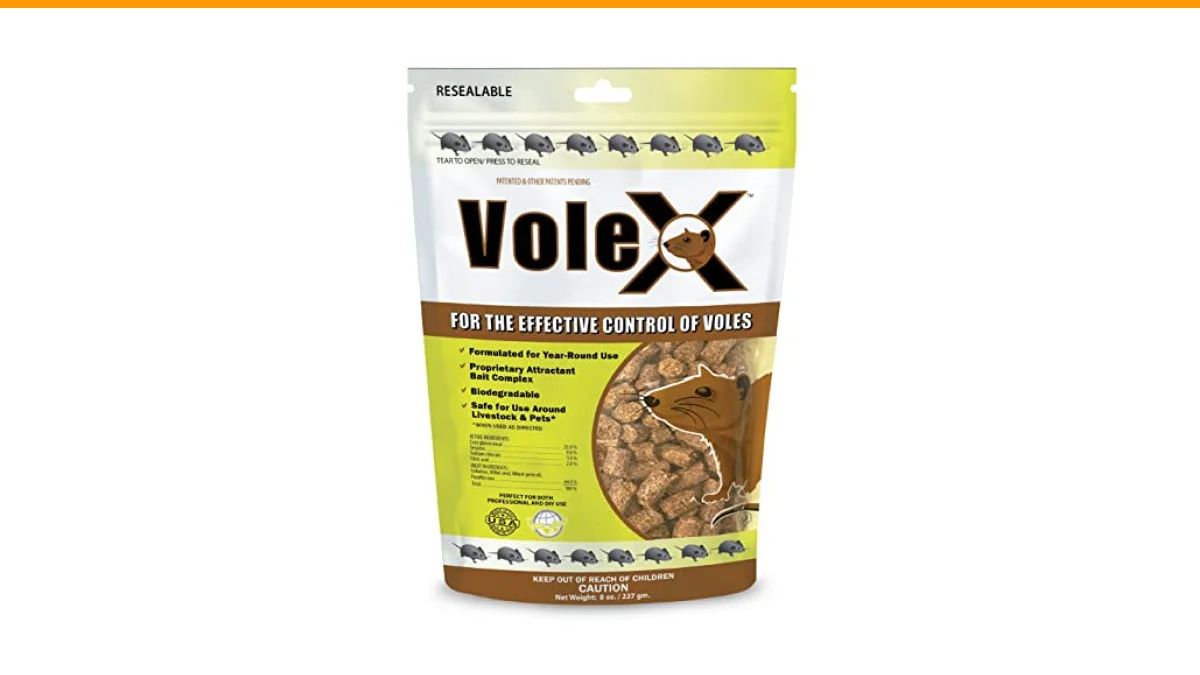
VoleX - Effective Against All Species of Voles. Safe for Use Around People, Pets, Livestock, and Wildlife
- VoleX is your safe and effective solution to removing voles
- Does not contain conventional poisons, so there’s no risk of secondary poisoning
- Safe for use around crops, orchards, vineyards, pastures and greenhouses
One helpful product to consider is VoleX, which is designed to tackle all species of voles without the risks associated with conventional poisons. This product is safe for use around people, pets, and crops, making it a reliable option for gardeners who want to protect their plants while minimizing harm to the environment.
Why Vole Control Matters
Voles can wreak havoc on gardens, particularly when it comes to vegetables. These small rodents are known for their burrowing habits, which can damage plant roots and disrupt soil structure. A single pair of voles can produce multiple litters each year, leading to a rapid increase in their population. Thus, timely intervention is crucial.
In a single season, voles can decimate a vegetable patch, consuming roots, tubers, and even young plants. This not only affects your harvest but also the overall health of your garden ecosystem. Effective vole control helps maintain your garden’s integrity and ensures you can enjoy the fruits of your labor.
Common Methods for Vole Control
Several methods exist for controlling voles in your vegetable garden. Here are some of the most common approaches:
- Trapping: Snap traps and live traps are effective for capturing voles. Place traps near active tunnels or feeding areas. Check them daily to ensure timely removal of captured voles.
- Natural Predators: Encourage natural predators like owls, hawks, and snakes. Installing owl boxes can attract these birds, providing a natural means of controlling the vole population.
- Habitat Modification: Reducing cover and debris in and around your garden can help deter voles. Keep grass short and clear away dense vegetation where voles might nest.
- Repellents: Some gardeners use natural repellents, such as castor oil or predator urine, to keep voles at bay. However, effectiveness may vary.
Using VoleX: What You Need to Know
VoleX offers an alternative to traditional control methods. This product uses safe, easy-to-apply pellets that can be distributed where vole activity is noticed. It’s designed for year-round use in various climates, making it a versatile choice for gardeners.
Unlike conventional poisons, VoleX does not pose a risk of secondary poisoning, meaning it won’t harm beneficial wildlife, pets, or livestock. This makes it an attractive option for those concerned about environmental impact.
Comparison of Vole Control Methods
| Method | Effectiveness | Safety | Cost |
|---|---|---|---|
| Trapping | High | Safe for humans and pets | Low |
| Natural Predators | Moderate | Safe | Variable |
| Habitat Modification | Moderate | Safe | Low |
| Repellents | Low | Safe | Low |
| VoleX | High | Safe for all | Moderate |
How do I know if I have voles in my garden?
Look for signs such as burrow holes, surface runways, and chewed plants. Vole activity is often most noticeable at dawn or dusk.
Are voles dangerous to my garden?
Yes, voles can cause significant damage to plants, particularly roots and bulbs. They can severely impact the health of your vegetable garden.
What is the best time to control voles?
Control efforts should start in early spring when voles become active. However, maintaining vigilance throughout the growing season is crucial.
Can I use VoleX with other control methods?
Absolutely. VoleX can be used in conjunction with trapping and habitat modification for a comprehensive control strategy.
How often should I apply VoleX?
Follow the manufacturer’s instructions for specific application rates and frequency. Regular monitoring of vole activity will determine when reapplication is needed.
Final Thoughts on Vole Control
- Identify signs of vole activity early to minimize damage.
- Use a combination of methods for the best results.
- Consider using VoleX for a safe and effective solution.
- Regularly monitor your garden to stay ahead of potential infestations.
- Modify the garden environment to deter voles naturally.
- Encourage natural predators to help manage the population.
- Stay informed on vole control strategies through reliable gardening resources.