In this article
Introduction
Imagine stepping into your garden, eager to harvest fresh cabbage, only to find your precious plants riddled with holes and damaged leaves. Cabbage worms, the larvae of cabbage moths, are notorious for feasting on leafy greens, making them a gardener’s nightmare. They can quickly ruin an entire crop, leaving you frustrated and disheartened.
This article provides you with comprehensive cabbage worm prevention methods. You’ll learn how to identify these pests, implement effective prevention strategies, and even explore products that can help protect your garden. Whether you’re a seasoned gardener or just starting out, this guide will equip you with practical tools to keep your garden healthy and thriving.

Safer
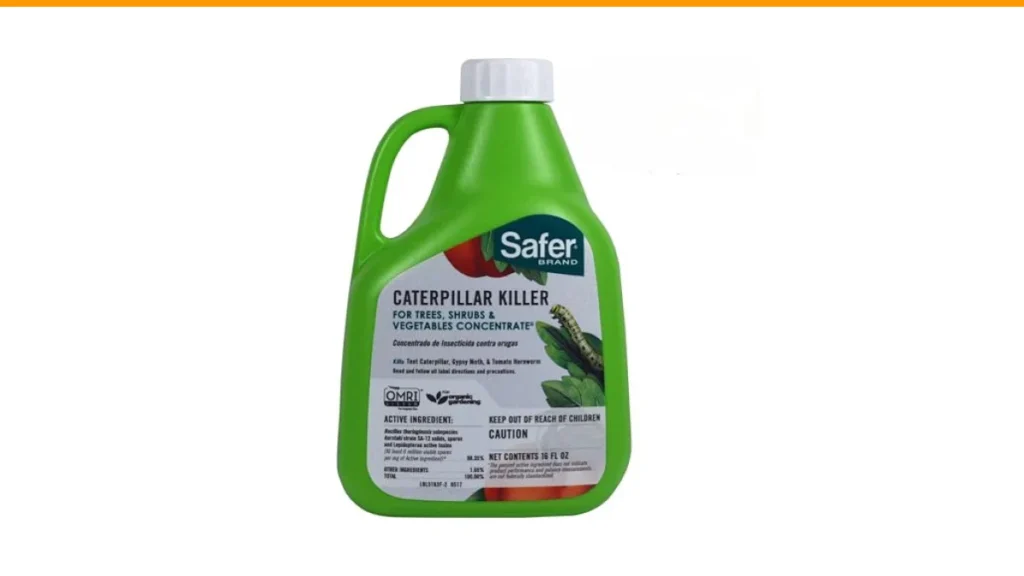
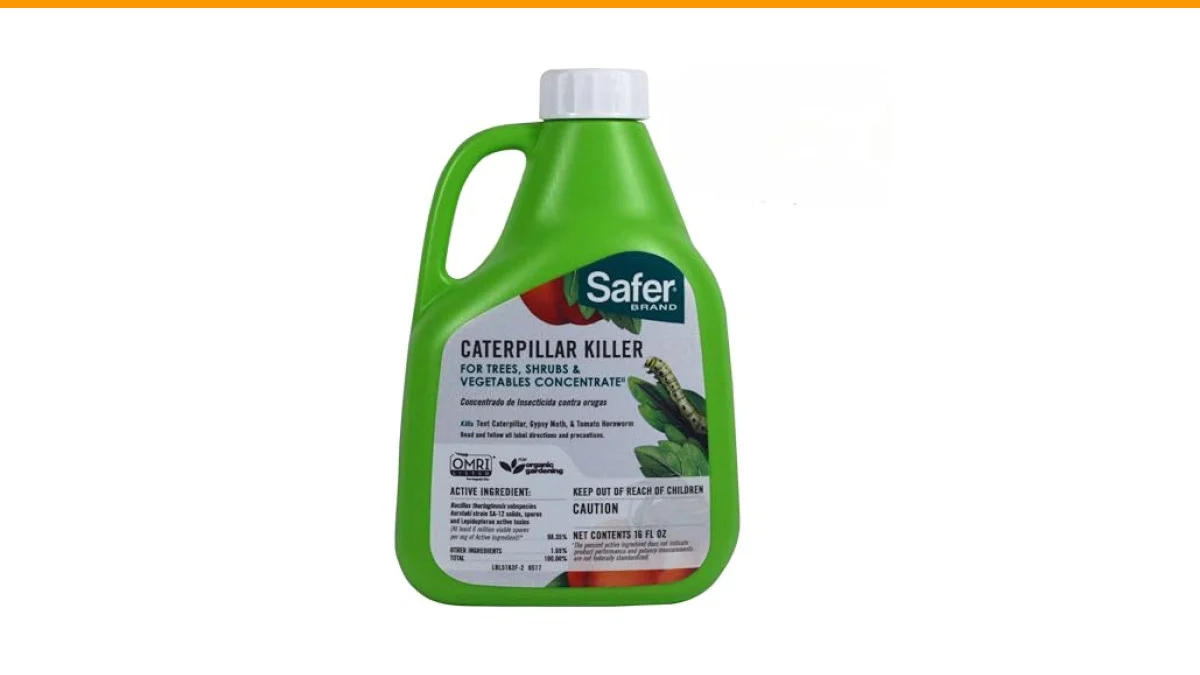
Safer Brand Caterpillar Killer II Concentrate Spray, 16 fl oz | Kills Caterpillars, Gypsy Moth Larvae, Worms & Cabbage Loopers, Organic Pest Control Spray, Outdoor Use in Plants & Gardens
- Kills caterpillars, gypsy moth larvae, worms and cabbage loopers
- Effective method of eliminating your garden or field of the tomato hornworm without environmental concerns or harm to beneficial i…
- Can be used up until day of harvest
One such tool is the Safer Brand Caterpillar Killer II Concentrate Spray. This organic solution targets cabbage worms and other caterpillars without harming beneficial insects, making it safe for your garden. You can apply it right up to the day of harvest, ensuring your crops stay protected without compromising your organic gardening practices.
Understanding Cabbage Worms
Cabbage worms are typically the larvae of the imported cabbageworm, which can wreak havoc on cruciferous crops. These greenish-yellow caterpillars blend seamlessly with the leaves, making them hard to spot. They often leave distinct holes in the leaves, which is a sure sign of their presence. Recognizing these signs early can help you take action before the problem escalates.
These pests thrive in warm weather and can produce multiple generations in a single growing season. A single female moth can lay up to 300 eggs, making it essential to implement effective prevention methods early in the season.
Preventive Measures for Cabbage Worms
Successful cabbage worm prevention relies on a combination of cultural, physical, and chemical methods. Here’s a detailed look at several effective strategies:
1. Crop Rotation
Rotating crops each year can disrupt the life cycle of cabbage worms. By changing the location of your cruciferous plants, you effectively reduce the risk of infestation. Aim to rotate your crops every 2-3 years within your garden beds.
2. Floating Row Covers
Using floating row covers is another effective method. These lightweight, breathable fabrics create a barrier that prevents moths from laying eggs on your plants. It’s best to install these covers as soon as you plant your crops and to keep them in place until the plants are well established.
3. Handpicking and Monitoring
Regularly inspect your plants for signs of cabbage worms. Handpicking them off the leaves can be effective, especially if you catch them early. Checking the undersides of leaves is crucial, as that’s where they often hide.
4. Biological Control
Introducing natural predators, such as ladybugs or parasitic wasps, can help control cabbage worm populations. These beneficial insects will target the larvae and help maintain balance in your garden ecosystem.
5. Organic Pesticides
If preventive methods fall short, consider organic pesticides. The Safer Brand Caterpillar Killer II Concentrate Spray is a great option. It contains Bacillus thuringiensis, which specifically targets caterpillars and is safe for your garden.
Comparison of Cabbage Worm Prevention Methods
| Prevention Method | Effectiveness | Ease of Use | Environmental Impact |
|---|---|---|---|
| Crop Rotation | High | Moderate | Low |
| Floating Row Covers | High | Easy | Low |
| Handpicking | Moderate | Easy | None |
| Biological Control | Moderate | Moderate | Low |
| Organic Pesticides | High | Easy | Low |
Common Questions About Cabbage Worm Prevention
What are the signs of cabbage worm infestation?
Look for holes in the leaves of your plants, frass (caterpillar droppings), and the presence of green caterpillars on the undersides of leaves. Early detection is key.
How can I prevent cabbage worms without chemicals?
Utilize organic methods such as crop rotation, floating row covers, and introducing beneficial insects to maintain a balanced ecosystem in your garden.
How often should I check my plants for cabbage worms?
Inspect your plants at least once a week, especially during the growing season when cabbage moths are active. Regular monitoring will help you catch infestations early.
Can I use chemical pesticides for cabbage worm control?
While chemical pesticides are effective, they can harm beneficial insects. If you choose this route, opt for organic options like Bacillus thuringiensis, which target only specific pests.
Are there any companion plants that deter cabbage worms?
Yes, planting herbs such as dill, cilantro, and rosemary can help repel cabbage moths. These plants can act as natural deterrents when planted near your cabbage and other cruciferous vegetables.
Final Thoughts on Cabbage Worm Prevention
- Implement crop rotation to disrupt cabbage worm life cycles.
- Use floating row covers to protect new plants from moths.
- Inspect plants weekly and handpick caterpillars as needed.
- Introduce beneficial insects to maintain an ecological balance.
- Consider organic pesticides like the Safer Brand Caterpillar Killer for effective control.
- Monitor and adjust your methods depending on the infestation level.
- Stay proactive throughout the growing season to ensure a healthy crop.