Imagine tending to your beloved houseplants or garden, only to discover they’ve been invaded by tiny, sap-sucking pests. Scale insects can be frustrating for any gardener, as they weaken plants and can lead to more significant issues if not treated promptly. Understanding how to identify, treat, and prevent scale insects is crucial for maintaining healthy plants.
This article will guide you through recognizing scale insects, various treatment options, and preventive measures to keep your plants thriving. You’ll walk away with practical knowledge that you can apply immediately to protect your plants from these unwelcome pests.
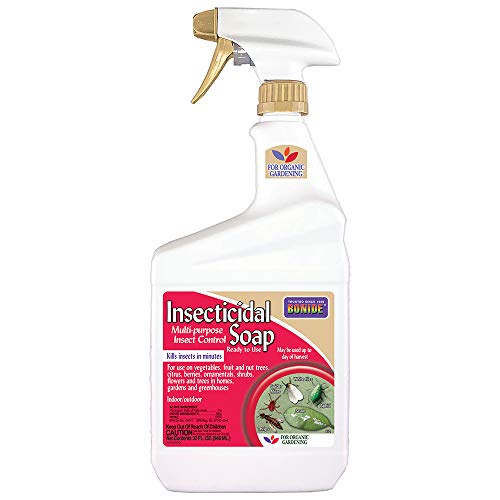
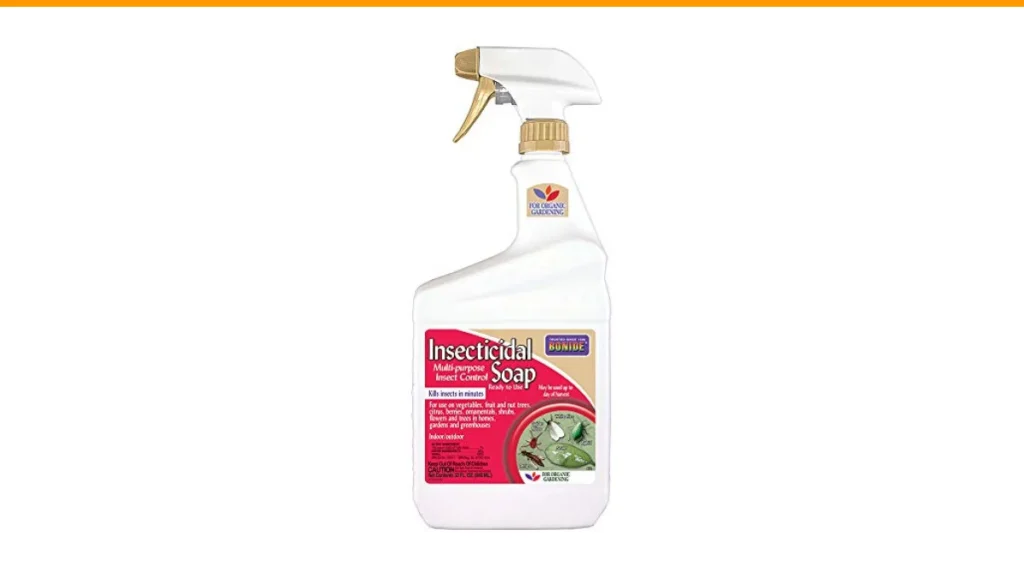
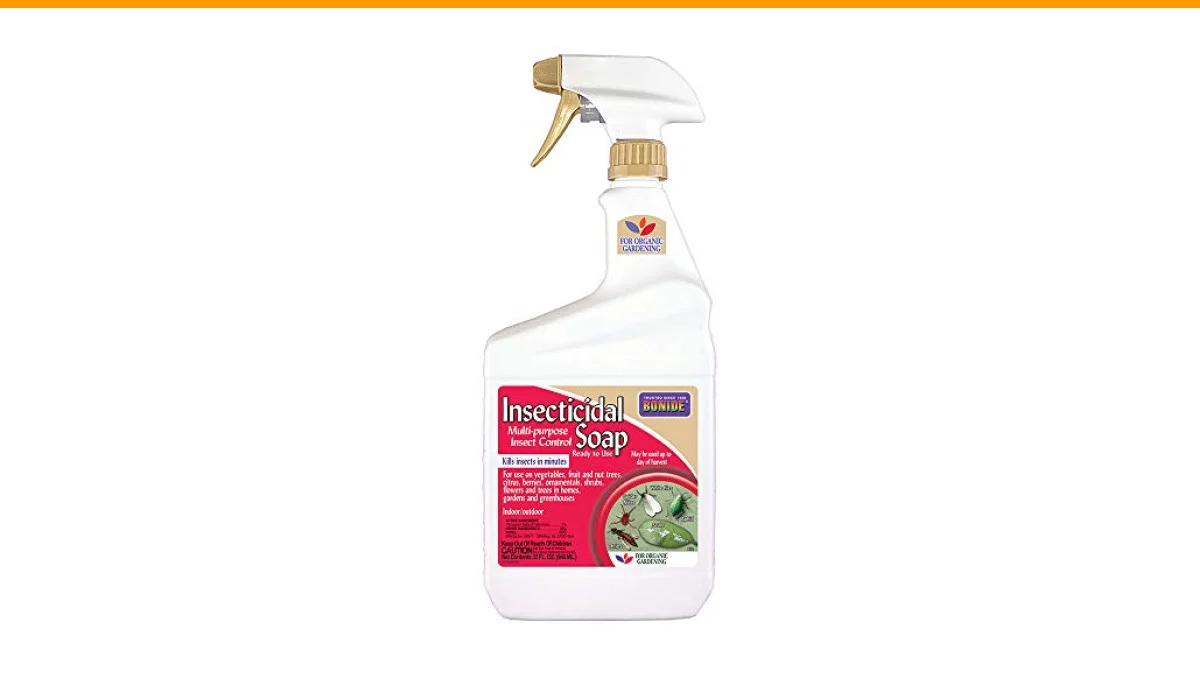
One effective product to consider for treatment is Bonide Insecticidal Soap. This ready-to-use spray is designed for both indoor and outdoor use, effectively targeting a range of pests, including scale insects, without harming your plants.
In this article
Identifying Scale Insects
Before treating scale insects, it’s essential to know what they look like. Scale insects can be categorized into two groups: soft and hard scales. Soft scales appear waxy and can be yellow, brown, or even black. They usually cluster on stems and undersides of leaves. Hard scales, on the other hand, have a hard protective shell and may be more challenging to remove.
Common signs of scale infestation include:
- Yellowing or wilting leaves
- Sticky residue (honeydew) on leaves and surfaces
- Presence of black sooty mold
- Visible scale clusters on stems and leaves
If you notice these signs, it’s time to take action.
Home Remedies for Scale Insects Treatment
Several home remedies can effectively help control scale insects. Here are a few of the most popular methods:
- Soap and Water Solution: Mix one tablespoon of dish soap with a quart of water. Spray directly onto the affected areas. The soap suffocates the insects.
- Neem Oil: This natural pesticide disrupts the life cycle of scale insects. Mix according to package directions and apply to infested plants.
- Alcohol Solution: Dampen a cotton ball with rubbing alcohol and dab it onto individual scale insects. This method is effective for minor infestations.
While these remedies can be effective, they might not work for severe infestations, where stronger treatments may be necessary.
Commercial Treatment Options
For larger infestations, consider using commercial insecticides. Here are some options:
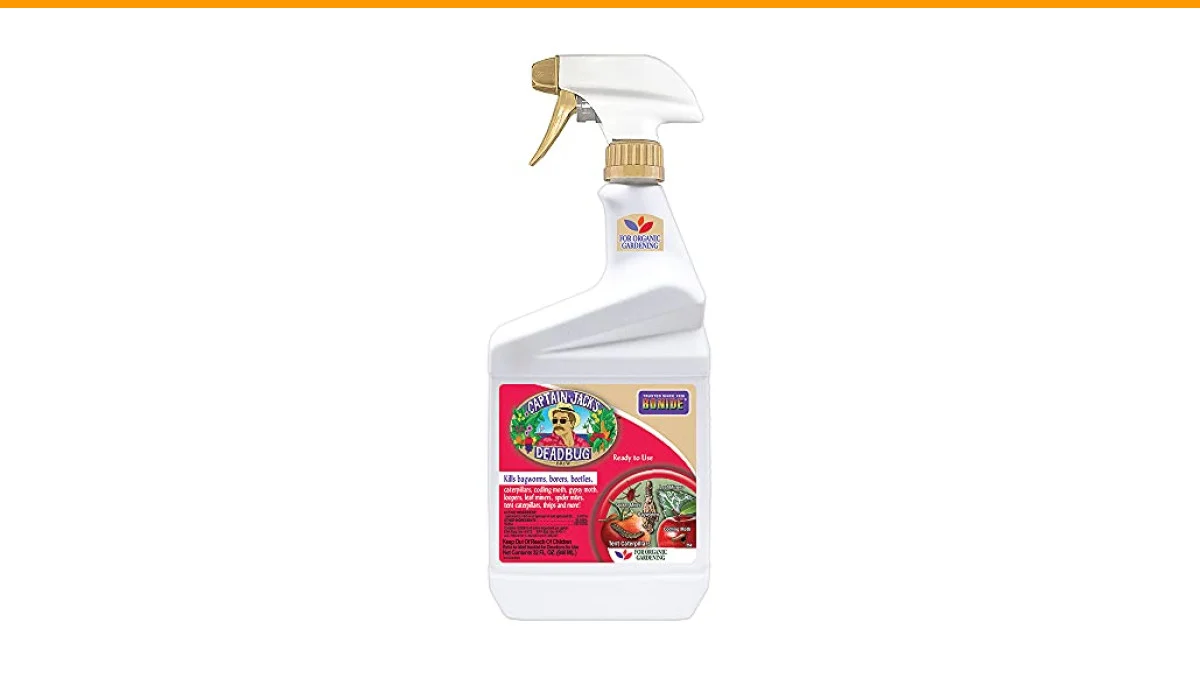
- Insecticidal Soaps: Products like Bonide Insecticidal Soap are effective against soft-bodied pests, including scale insects. They work on contact and are safe for organic gardening.
- Horticultural Oils: These oils suffocate insects and are effective against both soft and hard scales. Apply during dormancy to avoid harming beneficial insects.
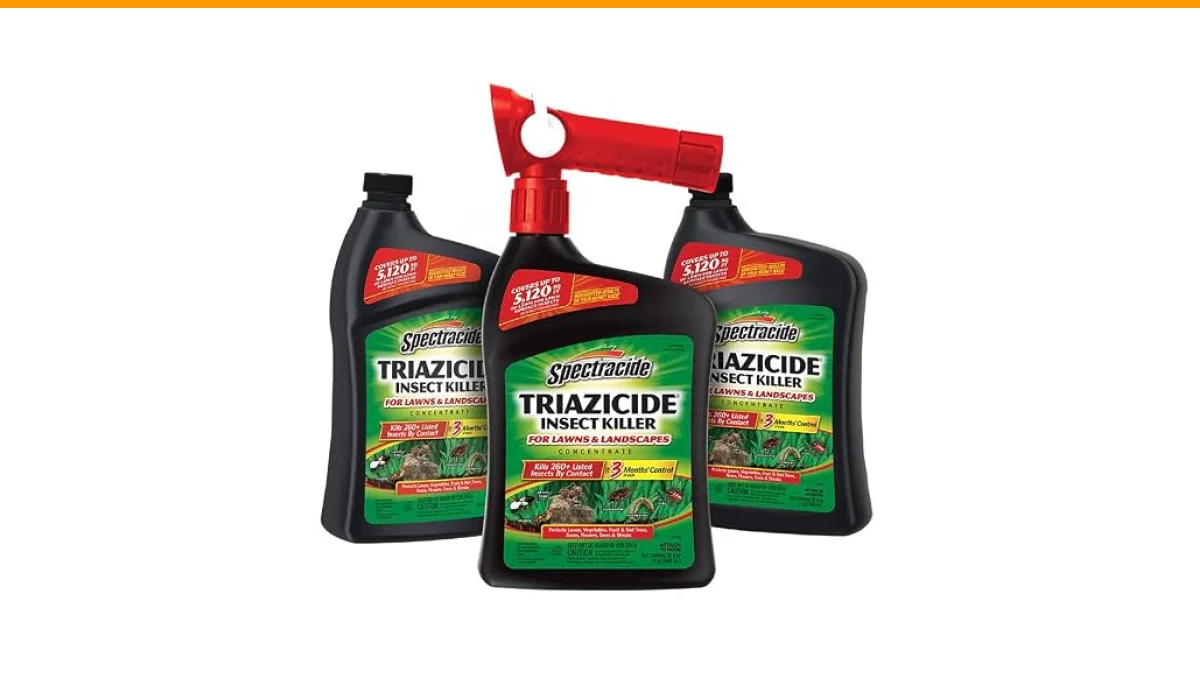
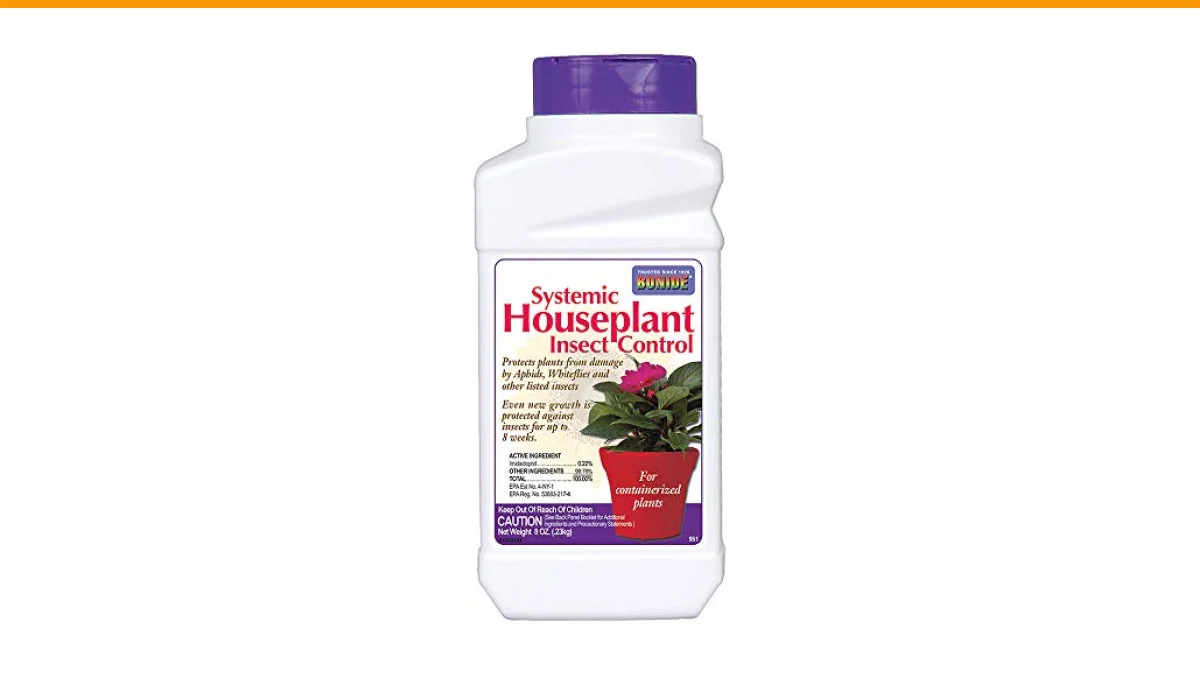
- Systemic Insecticides: These are absorbed by the plant and target pests feeding on it. However, use them with caution, as they can affect beneficial insects as well.
Always follow the manufacturer’s instructions when using any chemical treatment.
Preventing Scale Insects
Preventing scale insects is generally easier than treating an infestation. Here are some practical tips:
- Regularly inspect your plants for early signs of infestation.
- Maintain good air circulation around plants to reduce humidity, which attracts pests.
- Keep plants healthy through proper watering, fertilizing, and pruning.
- Introduce natural predators, such as ladybugs, which feed on scale insects.
These preventative measures can significantly reduce the likelihood of a scale infestation.
| Method | Effectiveness | Best For |
|---|---|---|
| Soap and Water Solution | Moderate | Small infestations |
| Neem Oil | High | Moderate to severe infestations |
| Insecticidal Soap | High | Organic gardening |
| Systemic Insecticides | Very High | Severe infestations |
How can I tell if my plant has scale insects?
Look for yellowing leaves, sticky residue, or clusters of small bumps on stems and leaves. These are signs of scale insect presence.
Are there natural ways to get rid of scale insects?
Yes, options like soap and water solutions, neem oil, and rubbing alcohol can effectively control scale insects naturally.
How often should I treat for scale insects?
Treat infested plants every 7-10 days until the infestation is under control. Always follow the product’s instructions for best results.
Can scale insects harm my plants permanently?
If left untreated, scale insects can weaken plants, leading to stunted growth and even death. Prompt treatment is crucial.
What is the best way to prevent scale insects?
Regular inspections, maintaining plant health, and ensuring good air circulation are effective preventive measures against scale insects.
Final Thoughts on Scale Insects Treatment
- Identify scale insects early to prevent widespread infestations.
- Use both home remedies and commercial products for effective treatment.
- Consider Bonide Insecticidal Soap for an organic solution.
- Maintain plant health to reduce susceptibility to pests.
- Regularly inspect and clean plants to catch problems early.