Gardening enthusiasts often face a frustrating battle against fungal diseases. These pesky pathogens can wreak havoc on your prized plants, leading to wilting leaves, stunted growth, or worse, total crop loss. If you’ve ever noticed powdery mildew creeping across your squash or black spot marring your roses, you know just how disheartening it can be. Fortunately, sulfur spray for fungal diseases offers a reliable solution to this common gardening dilemma.
In this article, you will gain insights into how sulfur works, its application methods, and alternatives for managing fungal outbreaks effectively. You’ll walk away with a clearer understanding of when and how to use sulfur spray, as well as practical comparisons with other treatments.
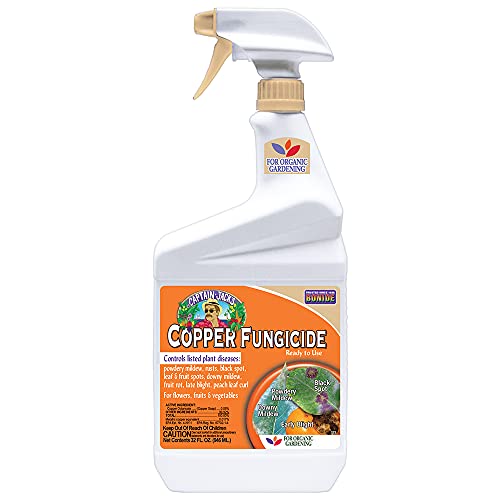
Bonide
Bonide Captain Jack's Copper Fungicide, 32 oz Ready-to-Use Spray for Organic Gardening, Controls Common Diseases, for All Plants
- Control fungus and disease in your garden with Captain Jack’s ready-to-use Liquid Copper Fungicide!
- Approved for organic gardening, this fungicide is suitable for the production of organic produce and can even be used up until the…
- Copper Fungicide effective in the control and prevention of a wide range of plant diseases. Listed common garden diseases include…
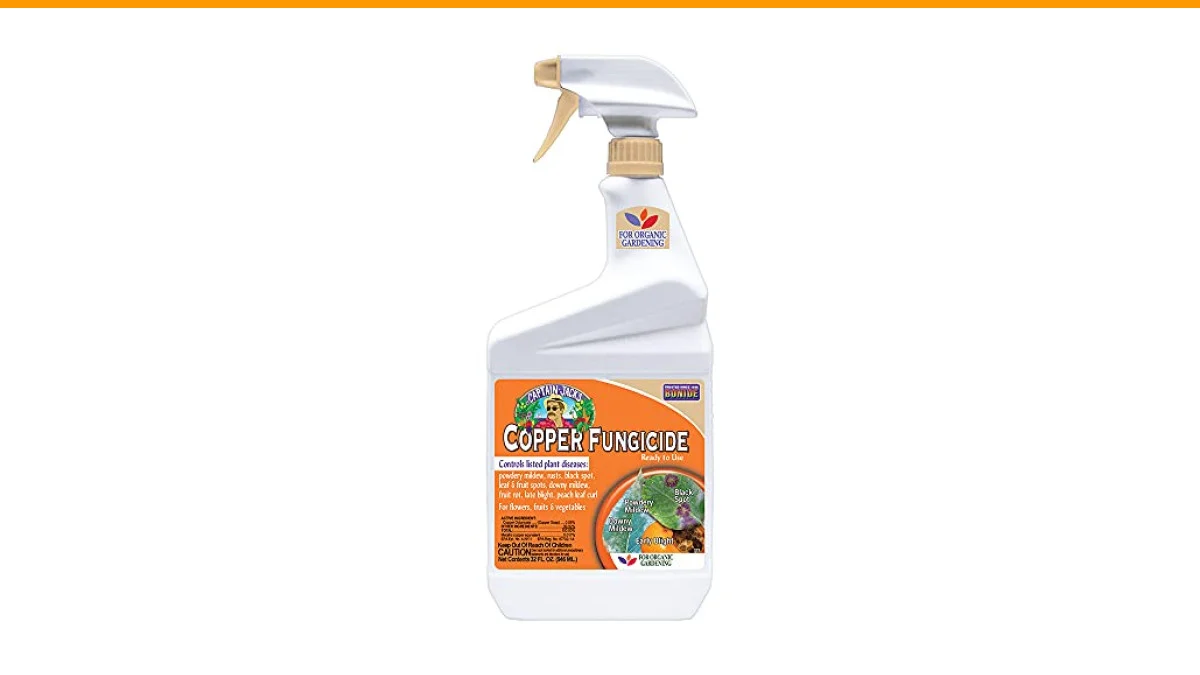
A product like Bonide Captain Jack’s Copper Fungicide can also play a role in managing plant diseases. This ready-to-use spray is approved for organic gardening and can help control common fungal issues while being safe for use up until the day of harvest.
How Sulfur Spray Works
Sulfur is a natural element that has been used for centuries as a fungicide. It works by disrupting the cellular processes of fungi, ultimately inhibiting their growth and reproduction. Sulfur spray is particularly effective against a range of fungal diseases, including:
- Powdery mildew
- Rust
- Leaf spot
- Blight
When applied to affected plants, sulfur forms a protective barrier, preventing fungal spores from penetrating plant tissues. This action is most effective when applied early in the disease cycle, ideally before symptoms appear. Regular applications can significantly reduce the incidence of fungal diseases, leading to healthier plants and improved yields.
Misconception: Sulfur Spray is Harmful to Beneficial Insects
Many gardeners worry that using sulfur spray will harm beneficial insects like bees and ladybugs. This concern is valid, as certain pesticides can indeed be harmful. However, sulfur has a lower toxicity level compared to many synthetic fungicides. It is generally safe for beneficial insects when applied correctly.
To minimize risks, apply sulfur spray in the late afternoon or early evening when pollinators are less active. This timing allows for effective disease control while reducing the impact on beneficial insect populations.
Application Methods and Timing
Effective application of sulfur spray involves understanding both timing and technique. Here are some recommended practices:
- Prevention is Key: Start spraying well before you notice signs of disease. A preventative approach is much more effective than waiting for a problem to manifest.
- Frequency: Apply sulfur spray every 7-14 days during the growing season, especially in humid conditions that favor fungal growth.
- Proper Dilution: Follow the product instructions carefully. A typical concentration is 1-2 tablespoons of wettable sulfur per gallon of water.
- Weather Conditions: Avoid applying sulfur spray when temperatures exceed 85°F (29°C), as this can cause plant damage.
Ensure thorough coverage of all foliage for maximum effectiveness. A fine mist is preferable to avoid runoff and ensure even distribution.
Comparison of Fungal Control Methods
| Method | Effectiveness | Safety for Beneficial Insects | Application Frequency |
|---|---|---|---|
| Sulfur Spray | High | Generally safe | Every 7-14 days |
| Copper Fungicide | Moderate to High | Safe when used correctly | Every 7-10 days |
| Neem Oil | Moderate | Safe | Every 7-14 days |
| Commercial Synthetic Fungicides | Very High | Potentially harmful | Every 7-14 days |
1. What types of plants can benefit from sulfur spray?
Almost all garden plants can benefit from sulfur spray, including vegetables, fruits, and ornamental plants. It is particularly effective on susceptible varieties prone to fungal diseases.
2. Can sulfur spray damage my plants?
While sulfur is generally safe, excessive application or use during high temperatures can lead to leaf burn. Always follow label instructions and avoid applying during extreme heat.
3. How long does sulfur spray remain effective?
The effectiveness of sulfur spray can last up to 7-10 days, depending on weather conditions. Rain can wash away the protective layer, so reapplication may be necessary after heavy rainfall.
4. Is sulfur spray safe for edible plants?
Yes, sulfur spray is safe for edible plants when used as directed. It is often approved for organic gardening and can be applied up until harvest.
5. Are there any alternatives to sulfur spray?
Yes, alternatives include copper fungicides, neem oil, and baking soda mixtures. Each has its own benefits and limitations, so consider the specific diseases you’re targeting.
Final Tips for Using Sulfur Spray
- Start spraying before you see symptoms.
- Use in the evening to protect beneficial insects.
- Follow the recommended dilution ratios for best results.
- Monitor weather conditions; avoid spraying in extreme heat.
- Combine sulfur with other organic practices to enhance disease resistance.
By integrating sulfur spray into your gardening routine, you can effectively combat fungal diseases and enjoy a thriving garden. Remember to always observe your plants and adjust your methods based on their specific needs.