
Imagine nurturing a vibrant garden, only to watch your plants succumb to blight, powdery mildew, or black spot. You’re not alone in experiencing the frustration of battling these common diseases. For organic gardeners, the stakes are even higher, as they seek effective solutions without compromising their commitment to natural practices. This is where copper fungicide steps in as a reliable ally.
Copper fungicide has gained recognition among organic gardeners for its ability to control a variety of plant diseases. In this guide, you’ll learn about the benefits of copper fungicide, how to apply it effectively, and how it compares to other organic options. You’ll walk away with practical knowledge to keep your garden healthy and thriving.
Bonide
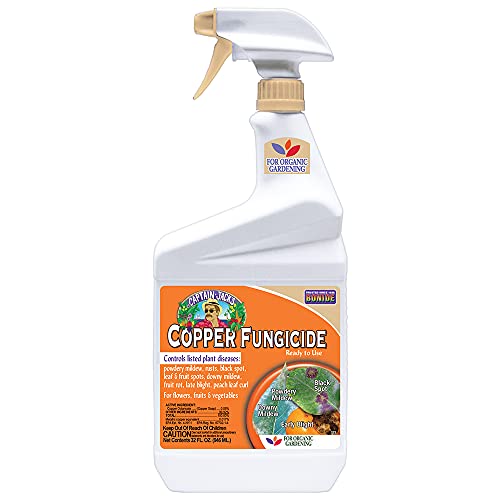
Bonide Captain Jack's Copper Fungicide, 32 oz Ready-to-Use Spray for Organic Gardening, Controls Common Diseases, for All Plants
- Control fungus and disease in your garden with Captain Jack’s ready-to-use Liquid Copper Fungicide!
- Approved for organic gardening, this fungicide is suitable for the production of organic produce and can even be used up until the…
- Copper Fungicide effective in the control and prevention of a wide range of plant diseases. Listed common garden diseases include…
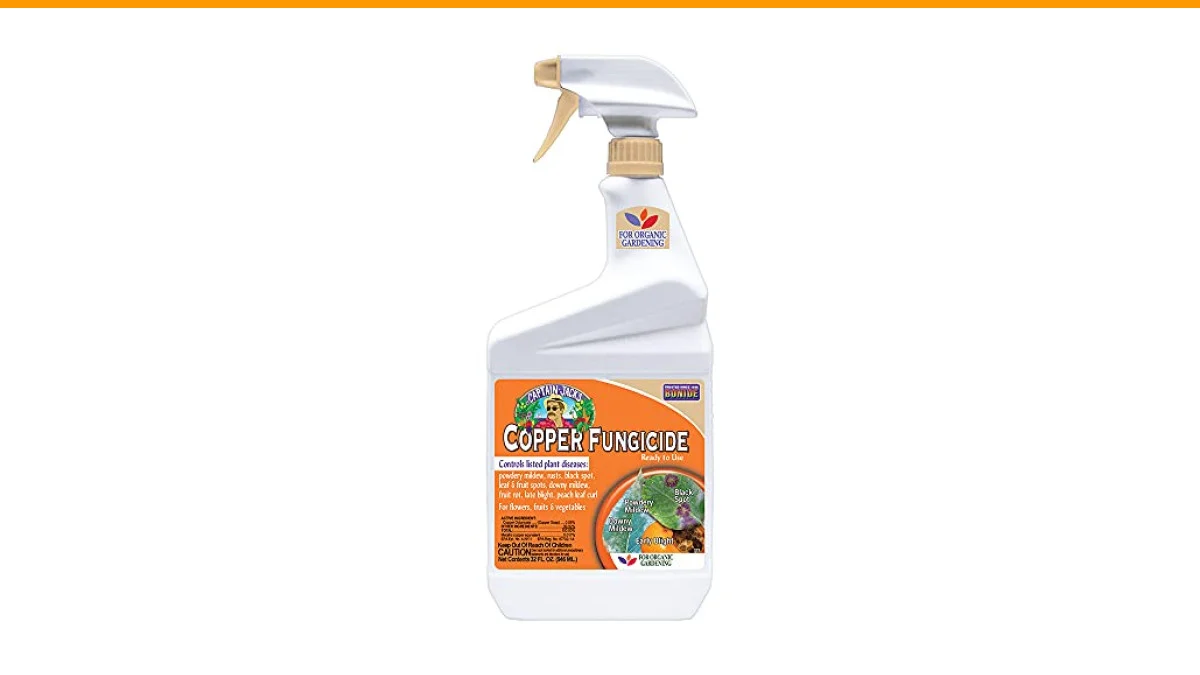
One product that stands out in the market is Bonide Captain Jack’s Copper Fungicide. This ready-to-use spray simplifies the application process and is approved for organic gardening, making it an excellent choice for those looking to protect their plants while adhering to organic standards.
Understanding Copper Fungicide
Copper fungicide works by releasing copper ions that disrupt the cellular processes of fungal pathogens. This mode of action makes it effective against a wide range of diseases, including:
- Blight
- Powdery Mildew
- Peach Leaf Curl
- Black Spot
- Rusts
It’s important to note that while copper fungicide is a powerful tool, its effectiveness can be influenced by environmental conditions such as humidity and temperature. Copper-based products can also accumulate in the soil over time, which might affect soil health if used excessively. Therefore, it’s crucial to apply copper fungicide judiciously and according to label instructions.
Application Techniques
Using copper fungicide effectively involves a few critical steps. Here’s how to maximize its benefits:
- Timing: Apply copper fungicide at the first sign of disease or as a preventive measure during the growing season. Early intervention is key.
- Weather Conditions: Apply on dry days when rain is not expected for at least 24 hours. Wet foliage can wash away the treatment.
- Coverage: Ensure thorough coverage of the foliage, especially the undersides of leaves where fungi often reside. A sprayer can help achieve this.
- Frequency: Reapply every 7 to 14 days, depending on the severity of the disease and rainfall. Always follow the product label for specific guidance.
For example, if you notice powdery mildew on your cucumbers, applying the fungicide early in the morning can help prevent further spread. It’s essential to monitor the plants closely and adjust the frequency based on weather conditions and disease pressure.
Copper Fungicide vs. Other Organic Options
When considering disease control strategies in organic gardening, you have several options. Here’s a comparison of copper fungicide with other common organic treatments:
| Fungicide Type | Active Ingredient | Target Diseases | Application Frequency | Impact on Soil |
|---|---|---|---|---|
| Copper Fungicide | Copper sulfate | Blight, mildew, rusts | Every 7-14 days | Potential accumulation |
| Baking Soda | Sodium bicarbonate | Powdery mildew | Every 7-10 days | Minimal impact |
| Neem Oil | Neem extract | Fungi, insects | Every 7-14 days | Beneficial |
| Sulfur | Elemental sulfur | Powdery mildew, rusts | Every 7-14 days | Minimal impact |
Each option has its strengths and weaknesses. While copper fungicide is effective for a broad range of diseases, alternatives like baking soda and neem oil may be better suited for specific issues with less potential soil buildup.
Frequently Asked Questions
1. Is copper fungicide safe for all plants?
Copper fungicide is generally safe for most plants, including fruits and vegetables. However, some sensitive plants may react negatively. Always conduct a patch test on a small area before full application.
2. How long does copper fungicide remain effective?
The effectiveness of copper fungicide can last for several days, depending on weather conditions. Rain can wash it away, so reapplication may be necessary after rainfall.
3. Can copper fungicide be used during fruiting?
Yes, many copper fungicides, including Bonide Captain Jack’s, are approved for use up until the day of harvest, making them suitable for protecting your edible crops.
4. How should I store copper fungicide?
Store copper fungicide in a cool, dry place away from direct sunlight. Ensure it is tightly sealed to prevent contamination and degradation.
5. Can I mix copper fungicide with other pesticides?
Mixing chemicals can be risky. Always read the labels of both products for compatibility. If in doubt, it’s best to apply them separately.
Final Thoughts
- Copper fungicide is effective against many common plant diseases.
- Apply at the first sign of disease for best results.
- Monitor weather conditions for optimal application timing.
- Experiment with different organic options to find what works best for your garden.
- Always follow label instructions for safety and effectiveness.
- Consider using products like Bonide Captain Jack’s Copper Fungicide for ease of use.
- Stay informed about soil health to avoid potential issues with copper buildup.

