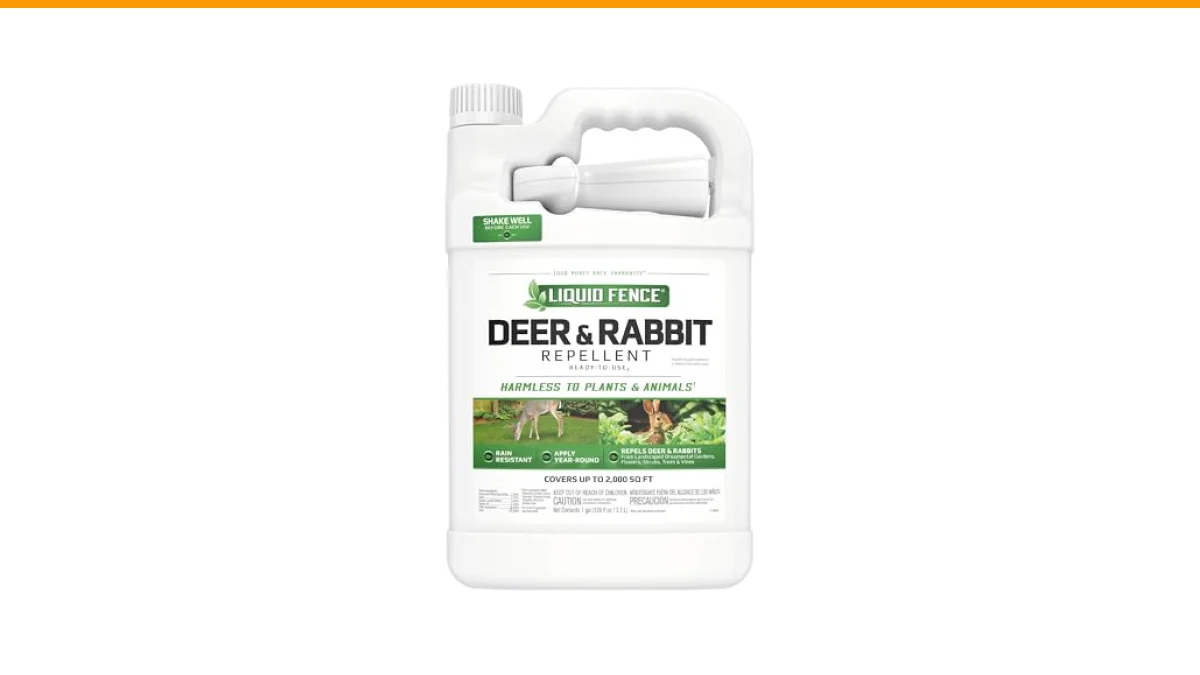
Understanding the Whitefly Threat
Whiteflies can quickly become a gardener’s worst nightmare. These small, sap-sucking insects often go unnoticed until their populations explode, leading to significant damage on various plants. Picture this: your once-thriving indoor garden is now plagued by yellowing leaves and stunted growth, all because of a whitefly infestation. Knowing how to control whiteflies on plants is essential for every home gardener.
This article will guide you through effective methods for managing whiteflies, including prevention, treatment options, and product recommendations. You will walk away with a comprehensive understanding of how to tackle these pests and protect your plants.
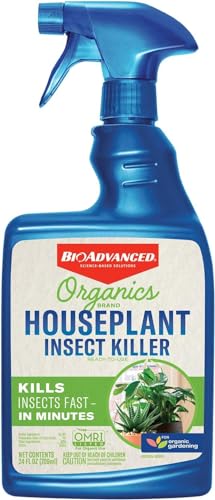
BioAdvanced
BioAdvanced Organics Brand Houseplant Insect Killer - 24 oz Bottle | Ready-to-Use - OMRI Listed Insect Control - Kills Insects and Controls Powdery Mildew
- KILLS INSECTS FAST: Organics Brand Houseplant Insect Killer provides quick control of pests in minutes, including Aphids, Mealybug…
- CONTROLS POWDERY MILDEW: Acts as a fungicide to manage powdery mildew on houseplants, flowers, shrubs, and trees
- FOR INDOOR AND OUTDOOR USE: For use on houseplants, flowers, shrubs, and shade trees; Convenient, ready-to-use spray bottle requir…
One useful solution is the BioAdvanced Organics Brand Houseplant Insect Killer. This ready-to-use insecticide acts swiftly against whiteflies and other common pests, ensuring your plants stay healthy and vibrant.
Identifying Whiteflies
Before you can control whiteflies, you need to identify them correctly. Adult whiteflies resemble tiny moths, measuring about 1/16 to 1/8 inch long, with white wings held tent-like over their bodies. Nymphs, or immature whiteflies, are small, flat, and yellowish, often found on the undersides of leaves.
Look for these signs to confirm an infestation:
- Yellowing leaves
- Sticky residue (honeydew) on leaves or surfaces below
- Black sooty mold on plant surfaces
- Wilting or stunted growth
Preventive Measures
Prevention is the best strategy for controlling whiteflies on plants. Here are some effective measures:
- Regular Monitoring: Check your plants frequently for early signs of infestation. Early detection can save your plants from severe damage.
- Companion Planting: Use plants that naturally repel whiteflies, such as marigolds or basil, alongside your vulnerable plants.
- Healthy Plants: Ensure your plants are healthy and well-fed, as stressed plants are more susceptible to pests.
- Good Air Circulation: Keep plants spaced adequately to allow air to flow freely, reducing humidity levels that whiteflies thrive in.
Treatment Options for Whitefly Infestation
Once you’ve spotted whiteflies, it’s time to act. Here are some treatment methods:
1. Insecticidal Soap
Insecticidal soap is effective against whiteflies. It works by suffocating the pests on contact. Spray it directly on the insects and their eggs, ensuring thorough coverage of the undersides of leaves.
2. Neem Oil
Neem oil disrupts the life cycle of whiteflies, making it harder for them to reproduce. Mix one to two tablespoons of neem oil with a gallon of water and spray on affected plants every seven to fourteen days.
3. Sticky Traps
Yellow sticky traps can capture adult whiteflies. Place these traps near infected plants to reduce the population. They are particularly effective in indoor settings.
4. Biological Control
Introduce natural predators like ladybugs or lacewings to your garden. These insects feed on whiteflies and can help keep their numbers in check.
Effectiveness Comparison Table of Control Methods
| Control Method | Effectiveness | Application Frequency | Notes |
|---|---|---|---|
| Insecticidal Soap | High | As needed | Safe for most plants; targets all life stages |
| Neem Oil | Moderate | Every 7-14 days | Organic and safe; disrupts reproduction |
| Sticky Traps | Moderate | Ongoing | Effective for monitoring; not a standalone solution |
| Biological Control | High | As needed | Environmentally friendly; may take time to establish |
FAQs about Controlling Whiteflies
What causes whitefly infestations?
Whiteflies thrive in warm, humid environments, making indoor plants particularly susceptible. Poor air circulation and stressed plants can also contribute to infestations.
Can whiteflies harm my plants?
Yes, they can weaken plants by sucking sap and potentially transmitting plant viruses. Severe infestations can lead to plant death.
How long does it take to get rid of whiteflies?
The time required varies based on the method used and infestation severity. Some methods show results within a few days, while others may take weeks.
Are there natural remedies for controlling whiteflies?
Yes, remedies like garlic spray, dish soap mixtures, and horticultural oils can deter whiteflies. However, effectiveness varies based on the method and application.
Is it safe to use insecticides indoors?
Always read labels carefully. Products like the BioAdvanced Organics Brand Houseplant Insect Killer are designed for indoor use and are safe for many houseplants.
Final Thoughts on Managing Whiteflies
- Regularly inspect plants for early signs of whiteflies.
- Implement preventive strategies, such as companion planting.
- Use insecticidal soap or neem oil for effective treatment.
- Consider introducing natural predators to your garden.
- Utilize sticky traps to monitor adult populations.
- Stay informed about your plant’s health and environmental conditions.
- Explore additional resources for effective gardening techniques.