Imagine stepping into your vegetable garden, only to find that your hard work has been undone overnight. Deer can be relentless when it comes to nibbling on your prized vegetables. They are not only attracted to the lush foliage of your garden but can devour entire crops in a single evening. For many gardeners, this is a frustrating reality. How can you create a protective barrier that keeps these unwelcome guests out?
This article covers various effective strategies to keep deer out of your vegetable garden. You’ll learn about physical barriers, repellents, and other deterrent methods. Whether you have a small backyard garden or a larger plot of land, these tips will help you protect your vegetables from deer damage.

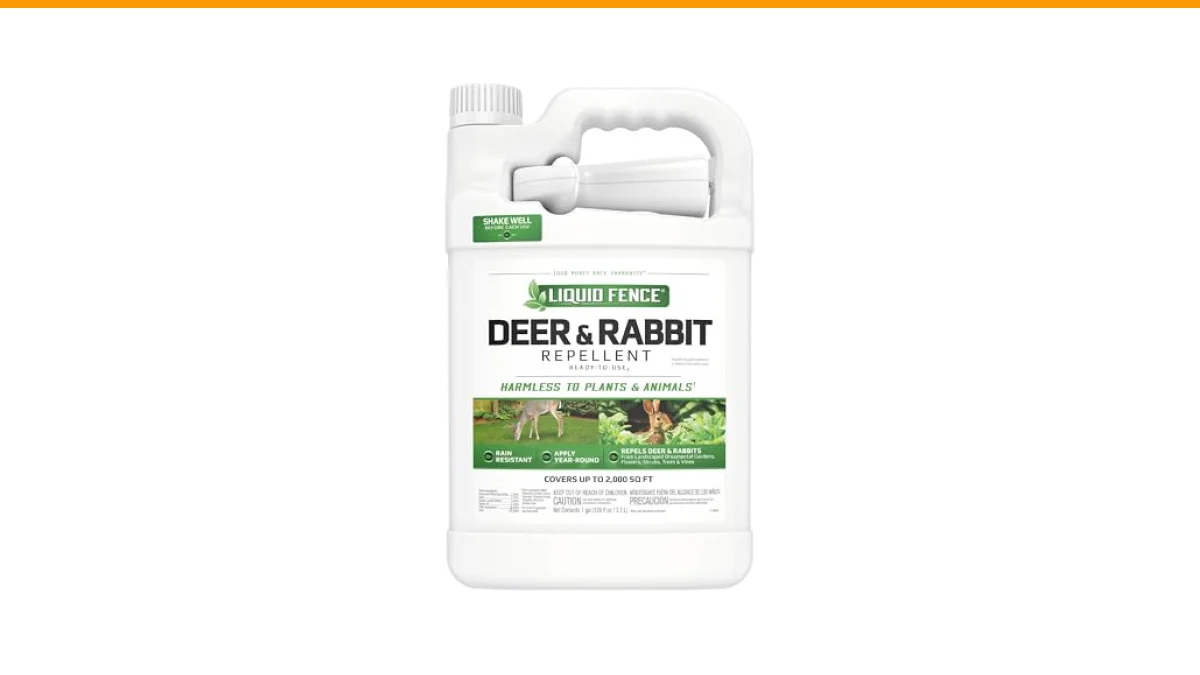
Liquid Fence
Liquid Fence Deer And Rabbit Repellent Ready-To-Use Spray, 1 Gallon | Use to Treat on Gardens, Flowers, Shrubs, Trees & Vines, Covers up to 2,000 Sq. Ft., Harmless to Plants & Animals
- REPELS DEER AND RABBITS: Deer and rabbits don’t have to eat vegetation for the repellent to be effective—they have a natural avers…
- SPRAY ON PLANTS: Use to treat landscaped ornamental gardens, flowers, shrubs, trees and vines
- RAIN RESISTANT: Ready-to-use liquid formula starts to work immediately
One highly regarded option is the Liquid Fence Deer and Rabbit Repellent Ready-to-Use Spray. This product works by emitting a scent that deer naturally avoid, making it an effective deterrent without harming your plants or local wildlife.
Understanding Deer Behavior
Before implementing deterrents, it’s crucial to understand deer behavior. Deer are crepuscular, which means they are most active during dawn and dusk. They tend to avoid areas that feel unsafe, including locations with loud noises or unfamiliar scents. Knowing this can help you develop strategies that leverage their natural instincts.
Physical Barriers
Fencing is one of the most effective ways to protect your garden. A fence should be at least 8 feet tall since deer can easily jump lower barriers. Here are some options:
- Traditional Fencing: Wooden or vinyl fencing can provide a sturdy solution. However, installation can be labor-intensive and costly.
- Electric Fencing: This requires a power source but is highly effective. Make sure to properly install it to avoid harming non-target animals.
- Netting: Garden netting can help protect specific plants. However, it’s less effective against larger deer populations.
Repellent Methods
Repellents can deter deer without the need for physical barriers. Both commercial and homemade options exist:
- Commercial Repellents: Products like the Liquid Fence Deer and Rabbit Repellent use natural scents to repel deer. They’re easy to apply and rain-resistant.
- Homemade Solutions: Spraying a mixture of water with garlic, hot pepper, or vinegar can sometimes deter deer. However, these may require more frequent applications, especially after rain.
Plant Selection
Another strategy is to choose plants that deer typically avoid. While no plant is completely deer-proof, certain species are less appealing. Consider incorporating:
- Strong-scented plants: Herbs like rosemary, sage, and thyme can deter deer.
- Thorny plants: Plants such as barberry and holly may act as natural barriers.
- High-tannin plants: Deer dislike plants with high tannin content, such as oak and some types of juniper.
Comparison of Deterrent Methods
| Method | Effectiveness | Cost | Maintenance |
|---|---|---|---|
| Physical Fencing | High | High | Low |
| Electric Fencing | Very High | Medium | Medium |
| Commercial Repellents | Medium | Medium | High |
| Homemade Repellents | Variable | Low | High |
| Plant Selection | Medium | Low | Medium |
How often should I apply deer repellent?
Apply deer repellent every 4-6 weeks during the growing season, or after heavy rain, to maintain effectiveness.
Can I use human hair to deter deer?
Yes, scattering human hair around your garden can work as a natural repellent. Deer may be deterred by the unfamiliar scent.
What height should my fence be to keep deer out?
A fence should be at least 8 feet tall to effectively keep deer out since they are capable of jumping higher than 6 feet.
Do deer eat all vegetables?
No, deer prefer certain types of vegetables, such as leafy greens, but they may eat others if food is scarce. They generally avoid strong-smelling plants.
Are there specific times of year when deer are more of a problem?
Deer are most problematic in spring and summer when they are foraging for food, especially in areas with limited natural resources.
Effective Strategies to Implement
- Install an 8-foot fence or electric fencing around your garden.
- Use a commercial repellent like Liquid Fence every few weeks.
- Incorporate deer-resistant plants alongside your vegetables.
- Consider using noise makers or motion-activated devices to scare deer away.
- Regularly change your deterrent methods to prevent deer from getting used to them.
- Monitor deer activity and adjust strategies accordingly.
- Engage with local wildlife experts for additional tips tailored to your area.
With these strategies, you can significantly reduce the risk of deer damaging your vegetable garden. Protecting your plants requires consistent effort, but the reward of a thriving garden is well worth it.