Introduction
Have you ever noticed tiny, web-like structures on your plants? Perhaps you’ve seen discolored leaves or even noticed a decline in growth. If so, your plants might be under attack from spider mites. These tiny pests can wreak havoc on your garden, but you don’t have to resort to harsh chemicals to get rid of them. Many effective organic methods can help you manage and eliminate spider mite infestations without harming your plants or the environment.
This article will guide you through understanding spider mites, identifying infestations, and applying organic treatments. You’ll also find practical tips for prevention and maintenance, ensuring your plants remain healthy and thriving.
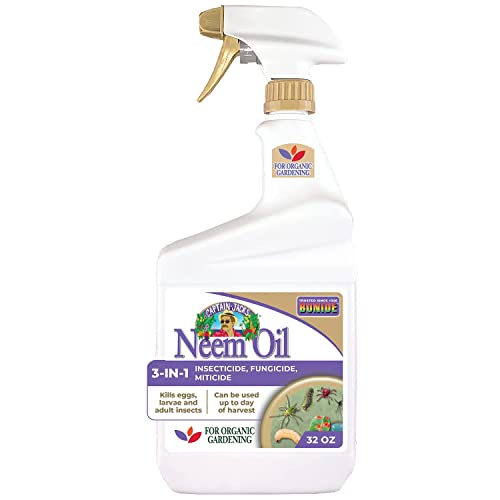
Bonide
Bonide Captain Jack's Neem Oil Spray for Plants, 32 oz Ready-to-Use | 3-in-1 Protection Against Insects, Diseases and Mites, For Indoor and Outdoor Plants, Approved for Organic Gardening
- Protect your oasis with 3 garden products in 1 from Captain Jack’s; Bonide Captain Jack’s Ready-to-Use Neem Oil spray for plants i…
- Clarified Hydrophobic Extract of Neem Oil protects your garden from common fungal diseases including rust, powdery mildew and more…
- Captain Jack’s Neem Oil kills eggs, larvae and adult stages of insects to provide full range protection against pests and insects;…
One recommended product to help combat spider mites organically is Bonide Captain Jack’s Neem Oil. This ready-to-use neem oil spray serves as a fungicide, insecticide, and miticide, providing comprehensive protection against spider mites and other pests.
Understanding Spider Mites
Spider mites, belonging to the Tetranychidae family, are tiny arachnids, often less than 1 mm in size. They thrive in warm, dry conditions, making them a common nuisance in indoor and outdoor gardens. Identifying spider mites early is crucial for effective management.
Signs of spider mite infestation include:
- Yellow or stippled leaves
- Webbing on the undersides of leaves
- Leaf drop or wilting
Monitoring your plants regularly can help catch these pests before they become a significant problem.
Organic Treatment Methods
Several organic treatments can effectively manage spider mites. Here’s a breakdown of the most popular methods:
1. Neem Oil
Neem oil, derived from the seeds of the neem tree, disrupts the life cycle of spider mites. It works by suffocating them and interfering with their feeding. To use neem oil, mix it with water according to the product instructions and spray it on affected plants. Reapply every 7-14 days for best results.
2. Insecticidal Soap
Insecticidal soap is another effective organic option. It breaks down the protective outer layer of spider mites, leading to dehydration. To prepare, mix 2 tablespoons of insecticidal soap with a quart of water and spray directly onto the mites. Like neem oil, reapplication is necessary every 7-14 days.
3. Essential Oils
Essential oils, such as peppermint or rosemary oil, can deter spider mites. Mix a few drops of essential oil with water and spray it onto plants. Essential oils not only repel pests but also leave a pleasant aroma.
4. Natural Predators
Encouraging natural predators can also help control spider mite populations. Ladybugs, lacewings, and predatory mites feed on spider mites. Introducing these beneficial insects into your garden can create a natural balance.
Comparison of Organic Treatments
| Treatment | Active Ingredient | Method of Action | Reapplication Frequency |
|---|---|---|---|
| Neem Oil | Clarified Hydrophobic Extract of Neem Oil | Disrupts life cycle, suffocates mites | Every 7-14 days |
| Insecticidal Soap | Fatty acids | Dehydrates mites | Every 7-14 days |
| Essential Oils | Peppermint, rosemary | Repels mites | As needed |
| Natural Predators | Ladybugs, lacewings | Feeds on spider mites | As needed |
Frequently Asked Questions
What are spider mites attracted to?
Spider mites are attracted to plants under stress, particularly those with low humidity and poor air circulation. They thrive in dry conditions, so maintaining adequate moisture can deter them.
How can I prevent spider mites from infesting my plants?
Prevent spider mites by regularly watering your plants, ensuring good air circulation, and monitoring for signs of infestation. Keeping your plants healthy will make them less susceptible to pests.
Are organic treatments as effective as chemical ones?
Organic treatments can be effective but often require more frequent application compared to chemical solutions. The key is consistency and monitoring your plants closely.
How long does it take to see results from organic treatments?
Results vary based on the treatment used and the severity of the infestation. Typically, you may notice improvements within a few days to a couple of weeks.
Can I use multiple treatments together?
Yes, you can combine organic treatments, such as neem oil and insecticidal soap, but ensure they are compatible. Always test a small area first to avoid plant damage.
Essential Tips for Organic Pest Control
- Regularly inspect your plants for early signs of spider mites.
- Maintain proper watering and humidity levels.
- Use organic treatments consistently for best results.
- Encourage beneficial insects in your garden.
- Rotate treatments to prevent spider mites from becoming resistant.
- Keep your garden clean and remove debris where pests can hide.
- Read product labels carefully and follow instructions for use.