Gardening can be both rewarding and frustrating. You nurture your plants, only to find them infested with pests like aphids or spider mites. If you’ve ever felt the urge to reach for harsh chemicals, consider a more natural approach. A homemade insecticidal soap recipe offers a simple, effective solution to control many common garden pests without harming beneficial insects or the environment.
This article will guide you through creating your own insecticidal soap. You’ll learn about the ingredients, mixing instructions, and tips for effective application. Additionally, we’ll cover common misconceptions surrounding insecticidal soap and compare it to commercial options.

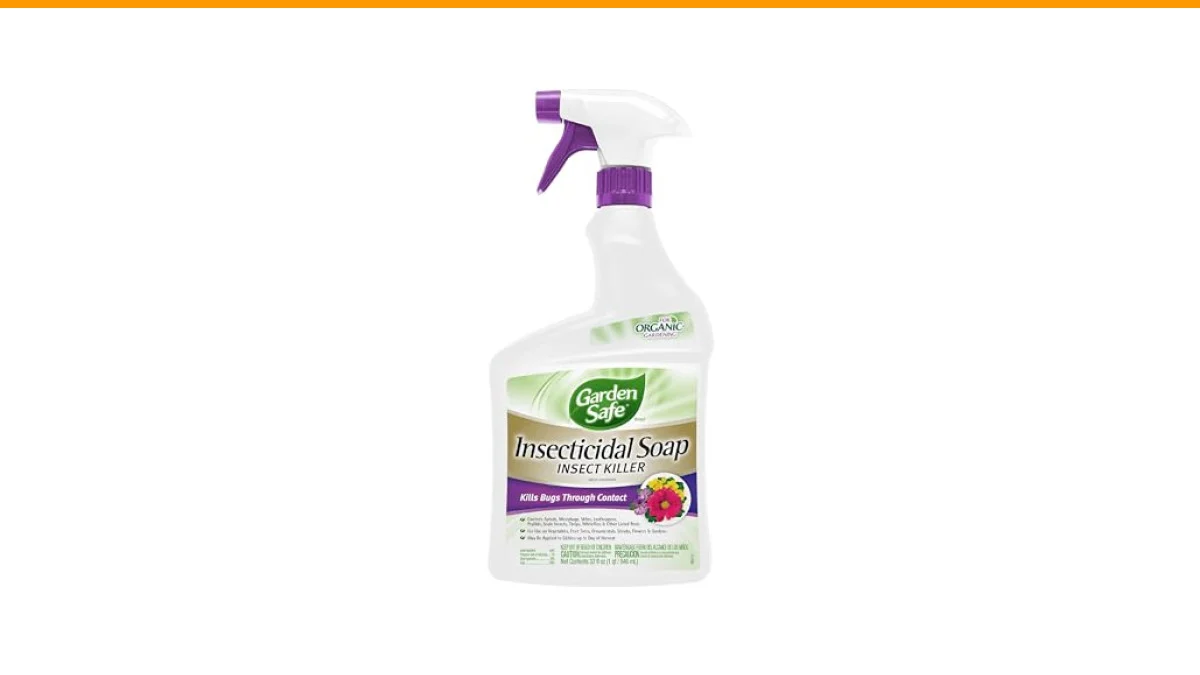
Garden Safe
Garden Safe Insecticidal Soap Insect Killer Spray, 32 Oz | For Organic Gardening, Ready-To-Use Spray Controls Aphids, Mealybugs, Mites & Other Listed Insects, Use Indoors & Outdoors
- READY-TO-USE CONTACT SPRAY: No mixing required. Thoroughly spray insecticide on all plant parts, including the underside of leaves…
- FOR ORGANIC GARDENING: This product can be used indoors, outdoors and in greenhouses on vegetables, fruit trees, ornamentals, shru…
- USE UP TO DAY OF HARVEST: This product may be applied to edibles up to and including the day of harvest
For those who prefer a ready-made solution, consider the Garden Safe Insecticidal Soap Insect Killer Spray. This product is a convenient contact spray that requires no mixing and is safe for use up to the day of harvest.
Essential Ingredients for Homemade Insecticidal Soap
Crafting your own insecticidal soap doesn’t require obscure ingredients. The basic components are:
- Liquid soap: Use a pure liquid soap, like Castile soap, which is derived from vegetable oils. Avoid detergents or soaps with additives, as these can harm plants.
- Water: Distilled water is ideal, but tap water can work if it’s free of chlorine and other chemicals.
- Optional additives: Some recipes include oils like neem oil or essential oils for added pest-fighting properties.
How to Make Your Homemade Insecticidal Soap
Creating your insecticidal soap is straightforward. Follow these steps for a simple recipe:
- Gather materials: You’ll need 1-2 tablespoons of liquid soap, 1 quart of water, and a spray bottle.
- Mix: Combine the liquid soap with water in the spray bottle. Shake gently until thoroughly mixed.
- Test: Before widespread application, test the solution on a small part of the plant to ensure no adverse reactions occur.
- Apply: Spray the solution directly onto the pests, covering all leaf surfaces, especially the undersides where pests tend to hide.
Use this homemade insecticidal soap within a few days for best results. Store any unused solution in a cool, dark place.
Common Misconceptions About Insecticidal Soap
Myth: Insecticidal soap kills all insects
Many believe that insecticidal soap indiscriminately kills all insects. In reality, it targets soft-bodied pests like aphids and spider mites while being safe for many beneficial insects. When applied correctly, it minimizes harm to pollinators like bees and predatory insects.
Myth: More soap equals better results
Some people think increasing the amount of soap will improve effectiveness. This isn’t true. Excess soap can damage plants and reduce the solution’s effectiveness. Stick to the recommended ratios for the best outcomes.
Comparing Homemade and Commercial Insecticidal Soaps
| Feature | Homemade Soap | Commercial Soap |
|---|---|---|
| Ingredients | Liquid soap, water | Varies, often includes additives |
| Cost | Low cost, DIY | Higher cost, ready-to-use |
| Effectiveness | Effective against soft-bodied pests | Varies by product, often well-researched |
| Storage | Best used fresh | Long shelf life |
Frequently Asked Questions
How often should I apply homemade insecticidal soap?
Apply every 5-7 days until pests are under control. Monitor your plants and adjust frequency as needed.
Can I use this soap on all plants?
Most plants tolerate insecticidal soap well, but sensitive plants like ferns may react poorly. Always perform a patch test first.
Is homemade insecticidal soap safe for pets?
While the ingredients are generally safe, it’s best to keep pets away from treated plants until the solution dries completely.
What pests are best controlled by insecticidal soap?
Insecticidal soap effectively controls aphids, mealybugs, spider mites, whiteflies, and thrips. It may not be effective against tougher pests like caterpillars.
Can I mix insecticidal soap with other pesticides?
Avoid mixing insecticidal soap with other pesticides. This can lead to chemical reactions that may harm plants or reduce effectiveness.
Final Thoughts on Using Homemade Insecticidal Soap
- Use pure liquid soap to avoid harming plants.
- Mix soap and water in the correct ratios for effective pest control.
- Apply directly to affected areas for best results.
- Test new solutions on a small plant area first.
- Regular applications may be necessary for persistent infestations.
- Consider commercial options like Garden Safe Insecticidal Soap for convenience.
- Stay informed about your plant’s health and pest activity to tailor your approach.