Gardening offers immense joy, but nothing can dampen that enthusiasm like discovering powdery mildew on your beloved plants. This fungal disease thrives in warm, dry conditions and manifests as a white, powdery coating on leaves. It can spread quickly, affecting not just aesthetics but also the health of your plants. If you’ve recently encountered this issue, you’re not alone. Many gardeners face similar challenges, and thankfully, effective organic solutions are available.
This article will guide you through the most effective organic treatments for powdery mildew, prevention methods, and a recommended product to help you combat this stubborn fungus. You’ll learn how to recognize the signs of powdery mildew, the best organic treatments to apply, and practical tips to ensure your garden remains healthy and vibrant.
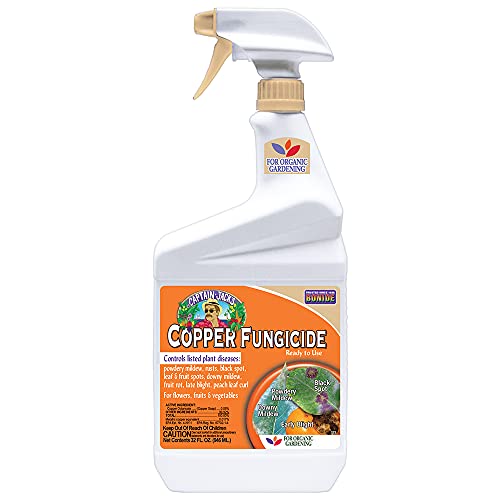
Bonide
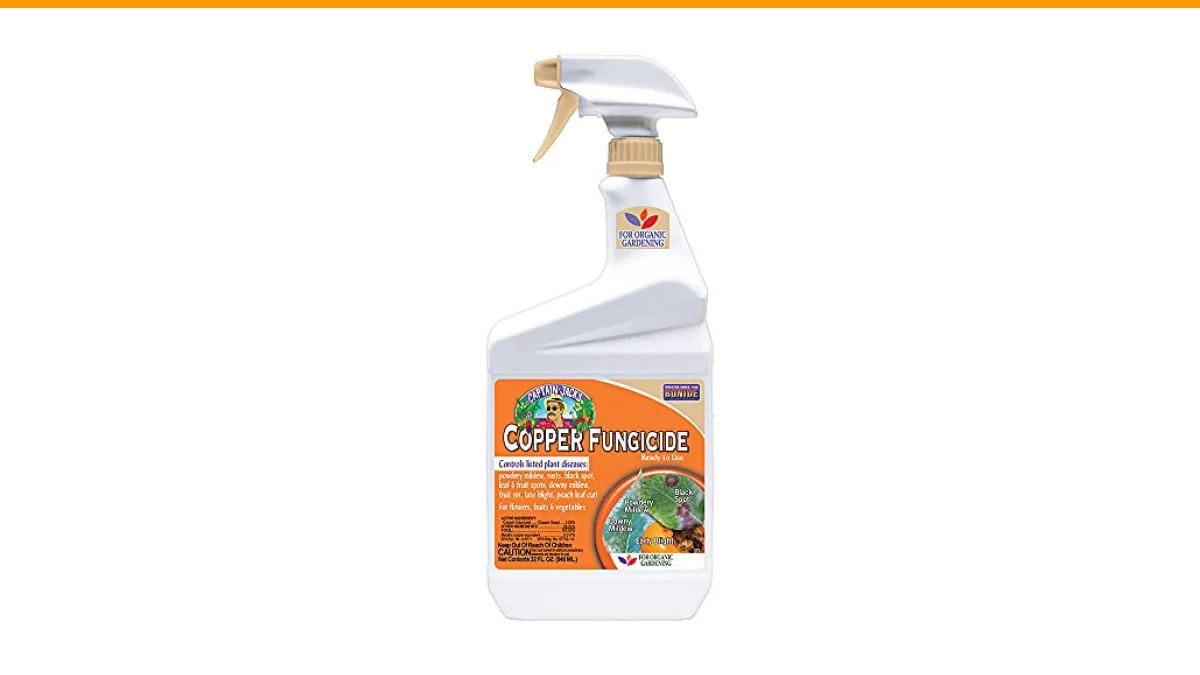
Bonide Captain Jack's Copper Fungicide, 32 oz Ready-to-Use Spray for Organic Gardening, Controls Common Diseases, for All Plants
- Control fungus and disease in your garden with Captain Jack’s ready-to-use Liquid Copper Fungicide!
- Approved for organic gardening, this fungicide is suitable for the production of organic produce and can even be used up until the…
- Copper Fungicide effective in the control and prevention of a wide range of plant diseases. Listed common garden diseases include…
One noteworthy option for organic powdery mildew treatment is Bonide Captain Jack’s Copper Fungicide. This ready-to-use spray is approved for organic gardening and works effectively against a variety of plant diseases, including powdery mildew. It’s user-friendly and can be applied right up to harvest time, making it a convenient choice for gardeners.
Understanding Powdery Mildew
Powdery mildew is caused by various fungal species that thrive in specific environmental conditions. These fungi prefer warm temperatures (60-80°F), high humidity, and poor air circulation. Symptoms include white or gray powdery spots on leaves, which can eventually lead to yellowing and leaf drop if left untreated. It’s vital to identify and treat powdery mildew early to prevent further spread.
Effective Organic Treatments
Several organic treatments can effectively control and prevent powdery mildew. Here are some of the most popular methods:
- Neem Oil: This natural pesticide works by disrupting the life cycle of the fungus. Mix 2 tablespoons of neem oil with a gallon of water and spray on affected plants every 7-14 days.
- Baking Soda Solution: Combining 1 tablespoon of baking soda, 1 teaspoon of vegetable oil, and 1 gallon of water creates a simple spray that can prevent powdery mildew. Apply every 7 days.
- Milk Spray: Milk can help control powdery mildew due to its natural antifungal properties. Mix 1 part milk with 2 parts water and spray on affected plants once a week.
- Beneficial Microorganisms: Introducing beneficial microbes like Trichoderma into the soil can help combat powdery mildew. These organisms outcompete the fungus for resources.
Prevention Strategies
Prevention is key when it comes to managing powdery mildew. Here are some effective strategies to keep your plants healthy:
- Improve Air Circulation: Space your plants adequately to promote airflow, which helps to reduce humidity around them.
- Water Early: Water your plants in the morning to allow foliage to dry quickly during the day.
- Choose Resistant Varieties: Some plant varieties are more resistant to powdery mildew. Research your options before planting.
- Monitor Humidity Levels: Use a humidity meter to keep track of moisture levels, especially in greenhouses.
| Method | Effectiveness | Application Frequency | Notes |
|---|---|---|---|
| Neem Oil | High | Every 7-14 days | Safe for most plants |
| Baking Soda | Moderate | Every 7 days | May cause leaf burn if overused |
| Milk Spray | Moderate | Once a week | Check for odor after application |
| Beneficial Microorganisms | High | As needed | Requires healthy soil |
How can I tell if my plant has powdery mildew?
Look for white, powdery spots on the leaves and stems. The leaves may also start to yellow or curl. Early detection is crucial for effective treatment.
Can I use chemical fungicides to treat powdery mildew?
While chemical fungicides are effective, they aren’t suitable for organic gardening. Many organic treatments are just as effective without harming beneficial organisms.
What is the best time to apply treatments for powdery mildew?
Apply treatments early in the morning or late in the evening to prevent sunburn on the leaves and to maximize absorption of the treatment.
How do I prevent powdery mildew from returning?
Maintain good air circulation, avoid excessive watering, and consider rotating crops or planting resistant varieties to minimize the chances of recurrence.
Is it safe to eat fruits treated with organic fungicides?
Yes, many organic fungicides, such as Captain Jack’s Copper Fungicide, are safe to use up until the day of harvest. Always follow the label instructions for safety.
Actionable Insights
- Monitor your plants regularly for signs of powdery mildew.
- Use organic treatments like neem oil or milk spray to combat mildew.
- Apply treatments early in the morning for better effectiveness.
- Improve air circulation around your plants to prevent mildew.
- Consider adding beneficial microorganisms to your soil.
- Choose resistant plant varieties where possible.
- Keep a close eye on humidity levels, especially in enclosed spaces.