Many indoor gardeners have faced the panic that comes with discovering their once-thriving plants wilting, yellowing, or developing a foul odor from the soil. Root rot is often the culprit, leaving plant parents feeling helpless and frustrated. This condition can strike even the most diligent caregivers, typically arising from overwatering or poor drainage conditions. Understanding the causes and solutions of root rot is essential for maintaining a healthy indoor garden.
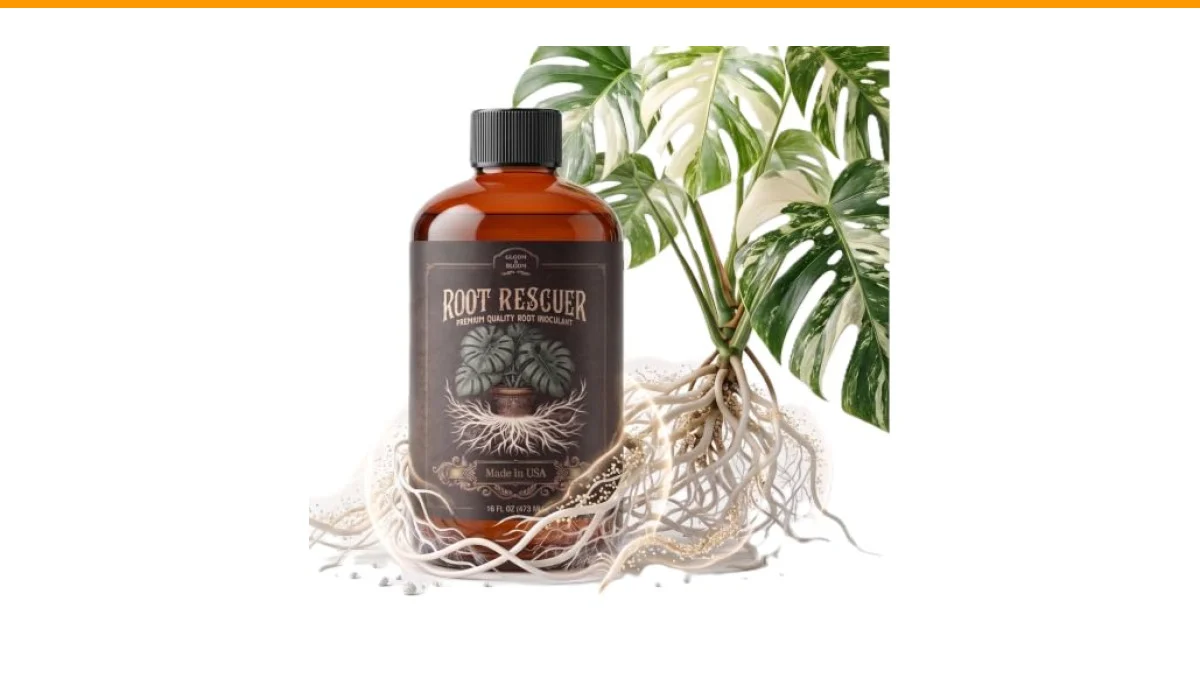
In this article, you’ll learn how to identify root rot, explore its common causes, and discover effective solutions to save your plants. Additionally, we’ll look at a product designed to combat root rot effectively: the Root Rescuer from Gloom & Bloom LLC. This treatment uses beneficial soil bacteria to promote a healthy root-zone environment, reducing the chances of root rot.

Gloom & Bloom LLC
Root Rescuer | Root Rot Repair & Treatment | Plant Recovery, Stress, Shock | Brown Spots & Overwatering | Soil Conditioner | Bacillus Inoculant Protection | Root Rescue for Indoor & Outdoor Plants
- Soil Conditioner Supports a healthy root-zone environment that reduces conditions associated with overwatering and poor soil drain…
- Powered by Beneficial Soil Bacteria Contains Bacillus amyloliquefaciens, a naturally occurring microbe that supports balanced soil…
- Ideal for Popular Indoor Plants Great for Monstera, Philodendron, Anthurium, pothos, fiddle leaf fig, and other tropical houseplan…
Understanding Root Rot
Root rot is a fungal disease that affects the roots of plants, leading to their decay. It often occurs in poorly drained soils or when plants are overwatered. The most common fungi responsible for root rot are Phytophthora and Rhizoctonia. Symptoms include yellowing leaves, wilting, stunted growth, and a musty smell from the soil. If left untreated, root rot can lead to plant death.
Common Causes of Root Rot
Root rot can occur due to several factors. Here are the primary causes:
- Overwatering: The most frequent cause, overwatering saturates the soil, creating an anaerobic environment where fungi thrive. Indoor plants typically require less water than outdoor plants.
- Poor drainage: Soil that retains too much moisture can contribute to root rot. Using pots without drainage holes or heavy soils can exacerbate this issue.
- Compacted soil: Soil compaction leads to reduced aeration and drainage, creating a favorable environment for root rot pathogens.
- Infected soil or plants: Introducing infected soil or plants can introduce pathogens into your garden, increasing the risk of root rot.
Signs of Root Rot
Recognizing root rot early can save your plants. Here are signs to watch for:
- Yellowing leaves or leaf drop
- Wilting despite adequate watering
- Soft, mushy roots that are brown instead of white
- A foul odor from the soil
Solutions to Combat Root Rot
Addressing root rot effectively requires a multi-faceted approach:
- Assess and adjust watering habits: Ensure you are not watering too frequently. A good rule of thumb is to allow the top inch of soil to dry out before watering again.
- Improve soil drainage: Use a well-draining potting mix that includes perlite or sand to enhance aeration. Consider repotting plants into containers with drainage holes.
- Trim affected roots: If root rot is detected, carefully remove the plant from its pot, trim away the dead or rotten roots, and replant in fresh soil.
- Apply beneficial bacteria: Products like the Root Rescuer can help restore a balanced soil biology, promoting healthy root systems and preventing future issues.
Root Rot Prevention Strategies
Preventing root rot is often easier than treating it. Here are some strategies:
- Use pots with drainage holes to allow excess water to escape.
- Choose a potting mix designed for your specific plant type.
- Monitor humidity levels and adjust watering accordingly, especially during winter months when plants require less moisture.
- Regularly check for signs of overwatering and root health.
| Method | Effectiveness | Notes |
|---|---|---|
| Improved Drainage | High | Use pots with holes and well-draining soil. |
| Water Management | High | Allow soil to dry out between watering. |
| Root Pruning | Moderate | Effective if caught early. |
| Beneficial Bacteria | High | Supports healthy root systems and soil biology. |
What are the first signs of root rot?
The first signs of root rot often include yellowing leaves, wilting despite adequate watering, and a musty odor from the soil. Checking the roots for mushiness is crucial.
Can I save a plant with root rot?
Yes, you can save a plant with root rot if you act quickly. Trim away the affected roots, improve drainage, and consider using beneficial bacteria to promote root health.
How often should I water my indoor plants?
Watering frequency depends on the plant type, but a general guideline is to let the top inch of soil dry out before watering again. Monitor your plants closely.
What type of soil is best for preventing root rot?
A well-draining potting mix is best for preventing root rot. Look for mixes containing perlite, vermiculite, or sand to enhance drainage.
Is root rot contagious?
Root rot itself is not contagious, but pathogens causing it can spread through contaminated soil or tools. Always sterilize tools after working with affected plants.
Actionable Steps to Prevent Root Rot
- Check your watering schedule and adjust as needed.
- Use high-quality, well-draining soil for your indoor plants.
- Incorporate beneficial bacteria like those in Root Rescuer to improve soil health.
- Inspect plants regularly for early signs of rot.
- Ensure pots have proper drainage to prevent water accumulation.