Introduction
Every gardener faces the anxiety of watching newly sprouted seedlings succumb to damping off, a fungal disease that can devastate young plants. You carefully sow your seeds, nurture them with care, and then suddenly, they begin to wilt and die. This common issue leaves many novice and seasoned gardeners alike feeling defeated. Understanding how to prevent damping off is crucial for anyone looking to cultivate healthy seedlings.
This article will provide you with practical strategies to prevent damping off in seedlings, focusing on environmental control, soil management, and the importance of proper watering techniques. You’ll leave with actionable insights that can drastically improve your seedling success rate.
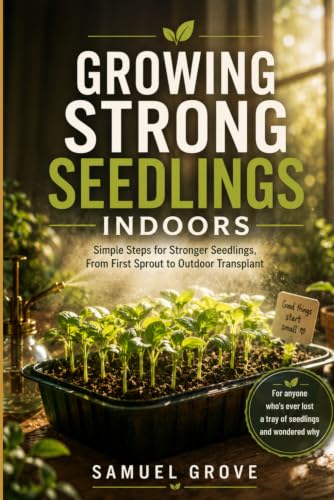
For additional guidance on growing strong seedlings from the first sprout to outdoor transplant, consider “Growing Strong Seedlings Indoors: Simple steps for stronger seedlings, from first sprout to outdoor transplant” by Samuel’s Garden Guides. This resource offers straightforward advice to help you nurture your plants effectively.
Understanding Damping Off
Damping off is primarily caused by fungal pathogens, such as Rhizoctonia, Pythium, and Botrytis. These fungi thrive in moist, poorly aerated conditions, targeting seedlings that are already stressed or weakened. Symptoms usually appear as a sudden wilting of the seedlings, often at the soil level, where the stem becomes soft and mushy.
Conditions that promote damping off include:
- Overwatering
- Poor drainage
- High humidity
- Low light levels
Identifying these conditions is the first step towards prevention.
Effective Methods for Prevention
Preventing damping off requires a combination of techniques focused on improving seedling resilience and managing the growing environment.
1. Soil Selection and Preparation
Using the right soil mix is fundamental. A sterile, well-draining potting mix can reduce the risk of fungal spores. Aim for a mix that contains:
- 1 part peat moss or coconut coir
- 1 part perlite or vermiculite
- 1 part compost or well-aged manure
These components provide nutrients while ensuring adequate drainage. Sterilizing your soil at home can also help eliminate pathogens. Bake it at 180°F (82°C) for 30 minutes before using.
2. Watering Techniques
Watering seedlings correctly is vital. Overwatering is a leading cause of damping off. Follow these guidelines:
- Water only when the top inch of soil feels dry.
- Use a spray bottle or a watering can with a narrow spout to avoid saturating the soil.
- Avoid watering from above; instead, water at the base to keep leaves dry.
These practices help maintain soil moisture without creating a soggy environment.
3. Environmental Control
Controlling humidity and temperature can significantly impact seedling health.
- Use a fan to improve air circulation around seedlings.
- Maintain temperatures between 65°F (18°C) and 75°F (24°C) for optimal growth.
- Monitor humidity levels, aiming for around 50-70% relative humidity.
Adjusting these conditions can help reduce the likelihood of fungal growth.
4. Seedling Care and Maintenance
Healthy seedlings are less susceptible to damping off. Consider the following:
- Thin seedlings once they have a few true leaves to ensure adequate space for growth.
- Provide sufficient light, ideally 12-16 hours of fluorescent or LED light daily.
- Fertilize with a diluted, balanced fertilizer once seedlings have developed their first true leaves.
Taking these steps helps strengthen seedlings and enhances their ability to withstand diseases.
Comparison of Damping Off Prevention Methods
| Method | Pros | Cons |
|---|---|---|
| Soil Selection | Reduces pathogen presence, improves drainage | Requires preparation and may involve cost |
| Watering Techniques | Prevents overwatering, promotes healthy roots | Requires attentiveness to soil moisture |
| Environmental Control | Reduces humidity, encourages airflow | May need additional equipment (fans, dehumidifiers) |
| Seedling Care | Improves overall health, reduces disease susceptibility | Time-consuming, requires regular monitoring |
Frequently Asked Questions
What is damping off in seedlings?
Damping off refers to a fungal disease that affects young seedlings, causing them to wilt and die. It usually manifests at the soil level.
How can I tell if my seedlings are damping off?
Look for symptoms such as soft, mushy stems at the soil line, and sudden wilting. Affected seedlings often appear stunted or leggy.
Can I salvage seedlings that show signs of damping off?
In most cases, affected seedlings cannot be saved. Prevention is key to ensuring healthy growth.
What conditions promote damping off?
High humidity, poor air circulation, overwatering, and low light levels create an environment conducive to fungal growth.
Are there specific products to prevent damping off?
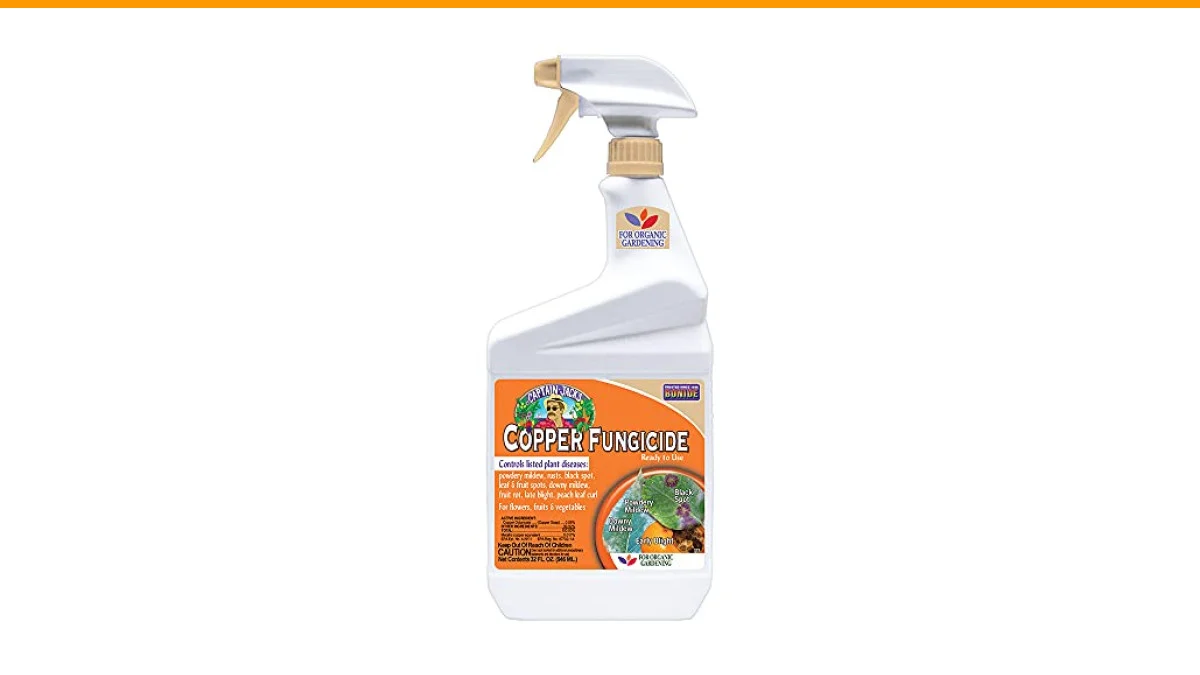
While many products claim to help, using sterile soil and practicing good watering techniques are the most effective methods. Some organic fungicides can also be beneficial.
Actionable Takeaways
- Choose a sterile, well-draining soil mix.
- Water only when necessary and avoid overhead watering.
- Maintain appropriate humidity and temperature levels in your growing area.
- Thin seedlings to provide adequate space for growth.
- Monitor light exposure to ensure seedlings receive enough light.
- Consider using organic fungicides if issues arise.
- Regularly check seedlings for signs of distress and act promptly.