Growing tomatoes can be a rewarding experience, but it can quickly turn frustrating when you notice those dark, sunken spots at the base of your fruits. This unsightly condition, known as blossom end rot, often signals a nutrient imbalance, typically calcium deficiency, or inconsistent watering practices. If you’ve ever had to toss a prized tomato because of this issue, you’re not alone. Many gardeners face this challenge, but the good news is that with the right prevention methods, you can keep your tomatoes healthy and bountiful.
In this article, you will learn effective strategies for blossom end rot prevention in tomatoes. We’ll cover the causes, signs, and practical steps you can take to ensure your plants thrive. Plus, we’ll introduce a helpful product, Miracle-Gro Water Soluble Tomato Plant Food, which can aid in providing essential nutrients for your plants.
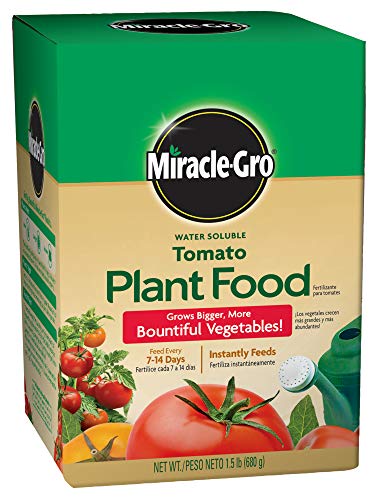
Miracle-Gro
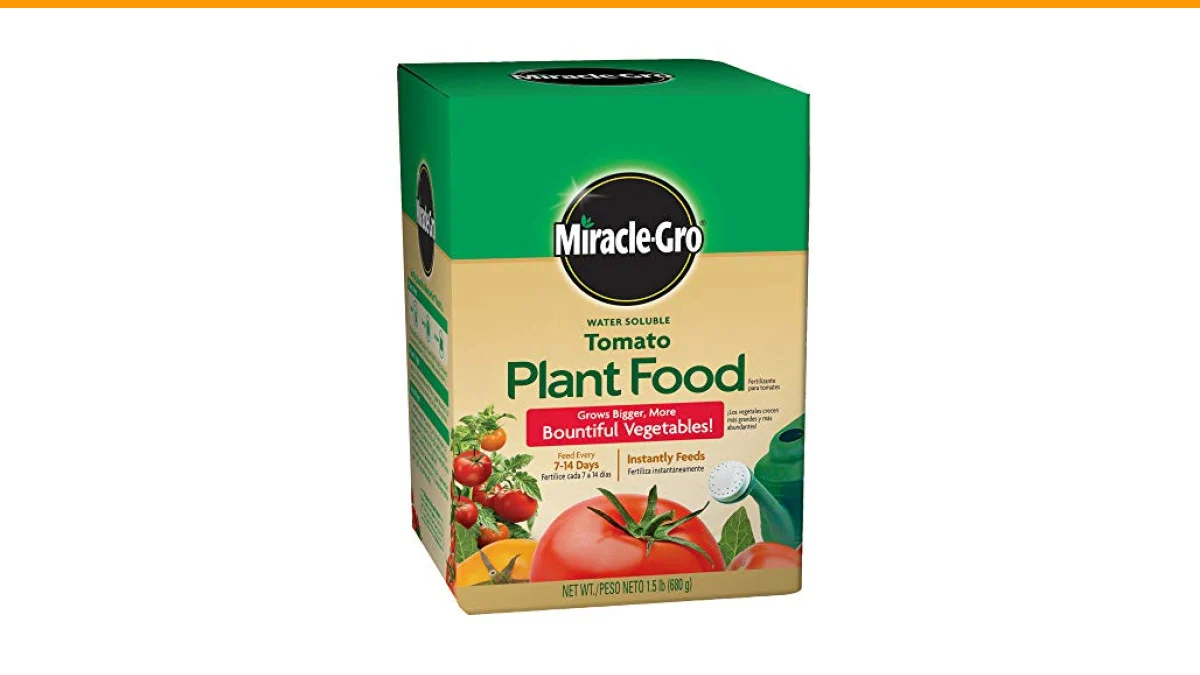
Miracle-Gro Water Soluble Tomato Plant Food, 1.5 lb.
- Instantly feeds to grow bigger, more bountiful vegetables versus. unfed plants
- Feed every 1-2 weeks
- Great for tomatoes and vegetables
The Miracle-Gro Water Soluble Tomato Plant Food delivers nutrients quickly, feeding your plants every 1-2 weeks. It’s an easy way to ensure your tomatoes receive the necessary nutrients, potentially reducing your risk of blossom end rot.
Understanding Blossom End Rot
Okay, but how much does this actually matter? Blossom end rot is not a disease; it’s a physiological condition caused mainly by insufficient calcium levels in the developing fruit. Calcium is vital for cell wall structure and growth. When plants don’t have enough calcium, the cells break down, leading to that characteristic dark, sunken area at the blossom end of the tomato.
Inconsistent watering exacerbates the problem. When soil moisture fluctuates, it can hinder the plant’s ability to uptake calcium, even if it’s present in the soil. Understanding this helps you address the issue effectively.
Causes of Blossom End Rot
Wondering what specifically causes this problem? Here are the primary culprits:
- Calcium Deficiency: Lack of this essential nutrient leads to weakened cell walls.
- Inconsistent Watering: Fluctuating moisture levels in the soil disrupt calcium absorption.
- Soil pH Imbalance: A pH level outside the ideal range (6.0 to 6.8) can limit nutrient availability.
- Over-fertilization: Excessive nitrogen can promote lush foliage but reduce fruit quality.
Addressing these factors in your gardening routine makes a significant difference.
Best Practices for Prevention
So, how can you effectively prevent blossom end rot? Here are the best practices to follow:
- Maintain Consistent Soil Moisture: Water tomatoes deeply and regularly. Aim for about 1-2 inches of water per week, adjusting for weather conditions.
- Use Mulch: Apply a layer of organic mulch, such as straw or wood chips, to help retain soil moisture and regulate temperature.
- Test Soil pH: Regularly check your soil’s pH and amend it to stay within the ideal range. You can use a soil tester for this purpose.
- Incorporate Calcium-Rich Amendments: Use lime or gypsum before planting to ensure adequate calcium levels in the soil.
- Choose the Right Fertilizer: Use fertilizers that provide balanced nutrients. The Miracle-Gro Water Soluble Tomato Plant Food is an excellent choice for delivering key nutrients without over-fertilizing.
Implementing these practices can create a strong foundation for your tomato plants.
| Method | Description | Effectiveness |
|---|---|---|
| Consistent Watering | Maintaining regular watering schedules helps prevent moisture fluctuations. | High |
| Mulching | Organic mulch retains moisture and regulates soil temperature. | High |
| Soil Testing | Ensures optimal soil pH and nutrient levels. | Medium |
| Calcium Amendments | Adding lime or gypsum increases calcium availability. | High |
| Balanced Fertilizer | Using a nutrient-rich fertilizer supports overall plant health. | High |
Frequently Asked Questions
What are the signs of blossom end rot?
Look for dark, sunken spots at the blossom end of the tomato. This appears typically when the fruit is about one to two inches in size.
Can I still eat tomatoes with blossom end rot?
While the affected area can be cut away, the rest of the fruit may still be edible. However, the quality might be compromised.
How can I fix blossom end rot after it appears?
Addressing the issue requires regular watering, soil amendments for calcium, and possibly adjusting your fertilization routine. Preventing it is the best approach.
Does blossom end rot affect all tomato varieties?
Yes, blossom end rot can affect any tomato variety. However, some hybrids might be more resistant than others.
Is there a specific time when blossom end rot is more common?
Blossom end rot is often more prevalent during the hot, dry months when water availability fluctuates.
Practical Takeaways
- Water consistently, aiming for 1-2 inches per week.
- Apply organic mulch to retain moisture.
- Regularly test your soil’s pH and nutrient levels.
- Incorporate lime or gypsum into your soil before planting.
- Use a balanced fertilizer like Miracle-Gro for optimal plant health.
- Monitor your plants for early signs of blossom end rot.
- Adjust your watering routine based on weather conditions.
With these strategies in place, you’ll be well on your way to enjoying a healthy and plentiful tomato harvest this season.