Imagine walking through your garden, surrounded by vibrant flowers and lush greenery. You notice bees buzzing, ladybugs crawling, and butterflies flitting about. This scene is not just pleasing to the eye; it’s a sign of a healthy ecosystem. Beneficial insects play a critical role in pollination and natural pest control, helping your garden thrive without the need for harsh chemicals. Knowing how to attract beneficial insects can transform your gardening experience, making it more productive and enjoyable.
In this article, you will learn effective techniques for luring beneficial insects to your garden. You’ll understand which plants to choose, how to create a welcoming environment, and even the best practices to maintain an insect-friendly habitat. If you want to dive deeper into the unseen laws of attraction, consider checking out How To ACTUALLY Attract by Rick Lewis. This resource offers insights that can enhance not just your garden, but various aspects of life.


Choosing the Right Plants
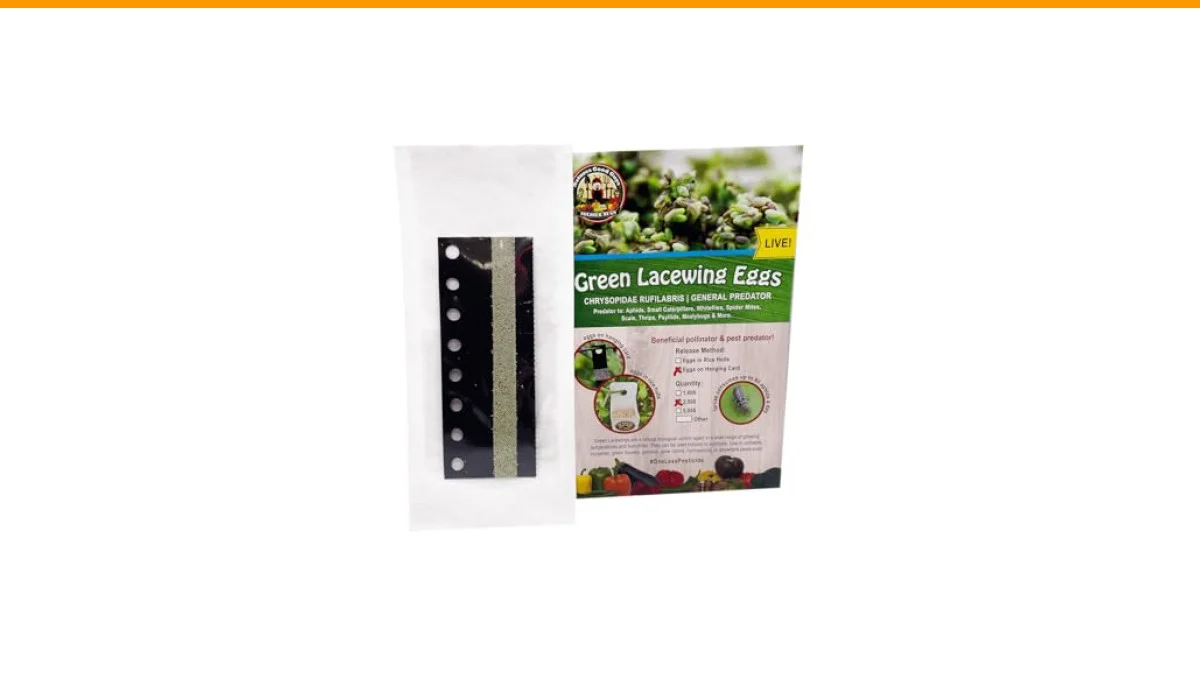
Certain plants naturally attract beneficial insects. These include flowering plants that produce nectar and pollen. For instance, sunflowers are excellent for attracting ladybugs, while dill and fennel draw in lacewings and parasitic wasps. Plant a variety to provide food sources throughout the growing season.
Here’s a list of specific plants to consider:
- Sunflowers: Attracts ladybugs and pollinators.
- Marigolds: Deters pests and attracts beneficial insects.
- Dill: Attracts lacewings and parasitic wasps.
- Lavender: Invites bees and butterflies.
- Yarrow: Draws in predatory insects.
Creating a Diverse Habitat
Monocultures can deter beneficial insects. Instead, aim for diversity. Mixed plantings not only attract various insects but also provide habitats for them. Include plants of different heights and flowering times to create layers and continuous bloom.
Consider incorporating these elements into your garden:
- Wildflower patches: Encourage a range of beneficial insects.
- Native plants: Adapted to local insects, ensuring better attraction.
- Ground covers: Provide shelter and a habitat for insects.
Providing Water and Shelter
Beneficial insects need water and shelter to thrive. A shallow dish filled with pebbles and water can serve as a drinking spot. Additionally, consider creating habitats like insect hotels, which offer refuge for solitary bees and other insects.
Here are some practical ideas:
- Water sources: Small ponds or birdbaths can attract insects.
- Insect hotels: Stack twigs or hollow stems to create shelter.
- Mulch: Provides moisture and habitat for ground-dwelling insects.
Common Misconceptions About Attracting Beneficial Insects
Many gardeners believe that using pesticides will not affect beneficial insects, but this is a myth. Pesticides can harm these insects just as easily as they harm pests. Opt for natural pest control methods instead.
Another common misconception is that more flowers mean more beneficial insects. While flowers attract them, diversity in plant types is crucial. A variety of species encourages a wider range of beneficial insects.
Comparison of Methods to Attract Beneficial Insects
| Method | Benefits | Considerations |
|---|---|---|
| Planting Diverse Flora | Attracts various insects and supports a healthy ecosystem. | Requires planning and knowledge of local plants. |
| Creating Water Sources | Provides hydration for insects. | Needs regular maintenance to keep clean. |
| Using Natural Pest Control | Safeguards beneficial insects while managing pests. | May require more time and observation. |
| Building Insect Hotels | Offers shelter for different insect species. | Needs space and materials for construction. |
What are beneficial insects?
Beneficial insects include pollinators like bees, as well as predators like ladybugs and lacewings that control pest populations. They contribute to the health of gardens and ecosystems.
How can I attract bees to my garden?
Plant native flowers, provide diverse blooms throughout the season, and create water sources. Avoid pesticides to keep them healthy.
Are all insects beneficial for my garden?
No, not all insects are beneficial. Some can be pests. However, many insects play crucial roles in pollination and pest control.
How long does it take to see results?
Attracting beneficial insects can take time. You might start seeing them within a few weeks to a few months after implementing changes.
Can I use pesticides if I want to attract beneficial insects?
Using conventional pesticides can deter beneficial insects. If you must use chemicals, choose organic options and apply them at times when beneficial insects are less active.
Actionable Steps to Attract Beneficial Insects
- Plant a diverse range of flowers that bloom at different times.
- Provide clean water sources in your garden.
- Create habitats such as insect hotels and mulched areas.
- Avoid using pesticides to protect beneficial insect populations.
- Educate yourself about local flora that attracts beneficial insects.
- Regularly observe your garden to spot beneficial insects and adjust your strategies.
- Engage with community gardening groups to share experiences and tips.
Attracting beneficial insects is a rewarding endeavor. With the right plants and strategies, you can create a vibrant garden that flourishes naturally, enhancing not just the aesthetics, but also the health of your ecosystem.