Imagine stepping into your garden and spotting a tiny insect darting among the leaves. Is it a friend or foe? Many gardeners find themselves asking this about ground beetles. These creatures can be commonly seen scurrying across soil and foliage, but their role in the ecosystem can be confusing. Are they helping to keep pest populations in check, or are they causing damage to your plants? This article aims to clarify the nature of ground beetles, allowing you to make informed decisions about managing them in your garden.
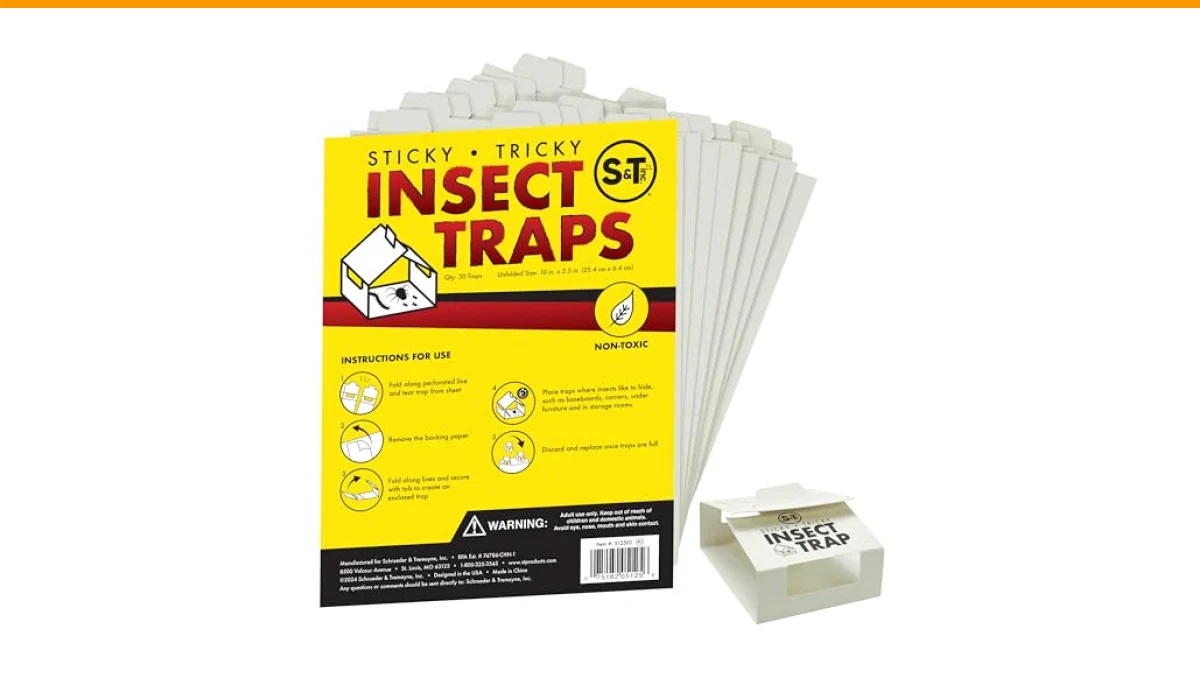
By the end of this article, you’ll understand the dual nature of ground beetles, including their benefits and potential drawbacks. You’ll also learn how to coexist with them in your garden or take action if needed. As you work on pest control in your garden, consider tools like the S&T INC. Insect Traps for Pest Control. This product can effectively trap and eliminate other crawling insects without using harmful chemicals, promoting a healthier garden environment.

S&T INC.
S&T INC. Insect Traps for Pest Control, 30 Pack | Glue Traps for Brown Recluse, Hobo Spiders, Black Widows, Home, Basement or Garage, Pest Control Traps
- Traps and kills spiders, ants, cockroaches, crickets and other crawling insects
- Kills Brown Recluse, Black Widow and Hobo Spiders
- Non-toxic and pesticide-free
Ground Beetles: The Beneficial Side
Ground beetles are often seen as beneficial insects, particularly in gardens and agricultural settings. They belong to the family Carabidae and are known for their predatory nature. Here are some key benefits:
- Pest Control: Ground beetles primarily feed on pests such as aphids, caterpillars, and other soft-bodied insects. A single ground beetle can consume hundreds of pests in a single growing season.
- Soil Aeration: As they burrow into the soil searching for food, they help aerate it, improving water infiltration and nutrient availability for plants.
- Diverse Diet: Ground beetles are not picky eaters. Their varied diet can include slugs, snails, and even weed seeds, making them a natural ally in maintaining garden health.
When Ground Beetles Become Harmful
While ground beetles are generally beneficial, there are exceptions. Some species can be harmful under certain conditions:
- Plant Damage: Certain ground beetle species may cause damage to seedlings or tender plants, especially if food sources are scarce.
- Competition: In some ecosystems, ground beetles may compete with beneficial insects, potentially disrupting the natural balance.
- Invading Gardens: Occasionally, ground beetles may invade gardens in large numbers, leading to overpopulation that stresses local resources.
How to Manage Ground Beetles in Your Garden
Managing ground beetles effectively requires a balance between encouraging their beneficial traits and mitigating any negative impacts:
- Identify Species: Learning to identify the specific species of ground beetles in your garden can help determine whether they are beneficial or harmful.
- Encourage Natural Predators: Creating a habitat for natural predators like birds can help maintain ground beetle populations while keeping them in check.
- Monitor Populations: Keep an eye on the number of ground beetles and their behavior. If you notice a shift towards more harm than good, consider interventions.
- Use Traps Wisely: Employ insect traps, such as the S&T INC. traps, to manage pest populations without harming beneficial insects.
- Avoid Overuse of Chemicals: Heavy pesticide use can disrupt the natural balance, harming ground beetles and other beneficial insects.
| Management Strategy | Benefits | Drawbacks |
|---|---|---|
| Encouraging Natural Predators | Maintains balance and reduces pest populations | Requires a diverse ecosystem |
| Using Traps | Targets specific pests without chemicals | May unintentionally trap beneficial insects |
| Monitoring Populations | Allows for informed management decisions | Time-consuming |
| Avoiding Pesticides | Protects beneficial insects | May require more manual pest control |
What do ground beetles eat?
Ground beetles primarily consume pests like aphids, caterpillars, and other soft-bodied insects. Some species also eat weed seeds, making them valuable for gardeners.
Are all ground beetles beneficial?
Not all ground beetles are beneficial. Some species can harm plants or compete with other beneficial insects. Identifying the species is essential for effective management.
How can I attract ground beetles to my garden?
To attract ground beetles, create a diverse habitat with plenty of cover, such as mulch, debris, and native plants. They thrive in environments that offer food and shelter.
How do I control ground beetle populations?
Control ground beetle populations through monitoring and encouraging natural predators. Traps can also help manage excessive populations, but use them judiciously to avoid harming beneficial insects.
What is the best way to manage pests without harming ground beetles?
The best approach involves using integrated pest management (IPM) techniques. This includes manual removal, introducing beneficial insects, and using traps like the S&T INC. insect traps.
Final Thoughts on Ground Beetles
- Ground beetles are primarily beneficial, contributing to pest control and soil health.
- Some species can cause harm, particularly in high populations or specific situations.
- Identifying the species is crucial for effective management.
- Encouraging natural predators can help maintain a balanced ecosystem.
- Use traps wisely to control pests without harming beneficial insects.
- Monitor your garden regularly to inform management decisions.
- Consider non-toxic pest control products to protect your garden’s health.