Imagine stepping into your garden only to find it overrun with aphids, caterpillars, and other pests. You might feel overwhelmed, searching for a solution that doesn’t involve harsh chemicals. Enter the praying mantis, a fascinating insect that not only captures the imagination but also serves as an effective, natural pest control agent. This article will guide you through the benefits of using praying mantises in your garden, how to introduce them, and practical tips to ensure they thrive while keeping your pest issues at bay.
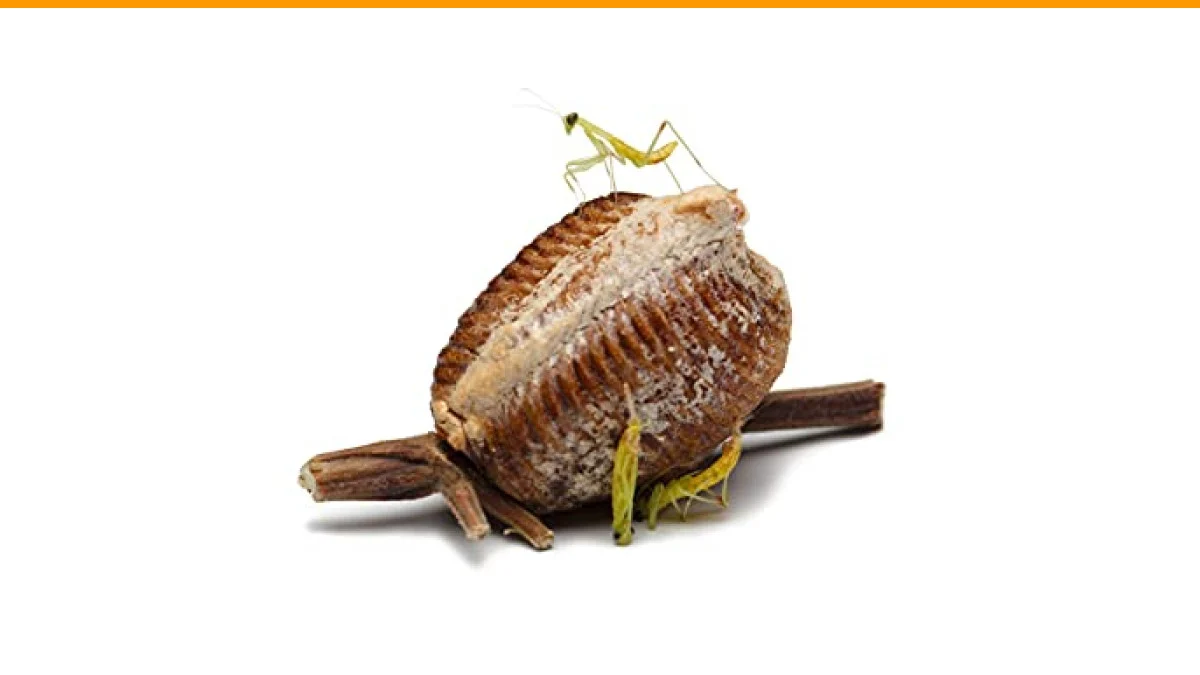
For those interested in cultivating their own praying mantises, Digger Derek’s Praying Mantis Egg Cases provide a convenient starting point. Each package includes two egg cases, a habitat, and all the necessary supplies to create a nurturing environment for these beneficial insects.

Digger Derek, Ant Farm Supplies LLC
2 Praying Mantis Egg Case for Science fairs, vivariums, terrariums, stem, steam Projects, Gardens, Insect hobbyist, habitats.
- 2 Praying Mantis Egg Cases (ootheca) mounted on sturdy wooden sticks
- 32 oz. plastic habitat with breathable lid
- Live moss to sustain moisture
Understanding Praying Mantises
Praying mantises are predatory insects known for their distinctive triangular heads and folded forelimbs, which resemble a prayer position. They are voracious eaters, capable of consuming a variety of pests that plague gardens. An adult mantis can eat dozens of pests per week, making them a valuable ally in pest management.
These insects thrive in warm environments and prefer areas with plenty of foliage to hide and hunt. Their life cycle consists of three stages: egg, nymph, and adult. When introduced to your garden, they can help maintain a natural balance between pests and beneficial insects.
Benefits of Using Praying Mantises for Pest Control
- Natural Pest Control: Praying mantises attack a wide range of pests including aphids, caterpillars, and beetles.
- Non-Toxic: Unlike chemical pesticides, mantises are safe for humans, pets, and the environment.
- Long-Lasting Effectiveness: Once established, they can continue to control pests throughout their life cycle, which can last from 4 to 6 months.
- Support Biodiversity: Introducing mantises helps maintain a healthy ecosystem in your garden.
How to Introduce Praying Mantises to Your Garden
Successfully integrating praying mantises into your garden involves a few straightforward steps:
- Choose the Right Time: Late spring is ideal as it coincides with the emergence of many garden pests.
- Prepare the Environment: Ensure your garden has diverse plants and some sheltered areas for the mantises to hide.
- Release the Mantises: Place the egg cases in areas with high pest activity, ensuring they are not exposed to direct sunlight.
- Monitor and Maintain: Water the area regularly to keep the humidity levels suitable for the mantises.
Comparing Pest Control Methods
| Method | Effectiveness | Safety | Cost |
|---|---|---|---|
| Praying Mantises | High | Non-toxic | Moderate |
| Chemical Pesticides | Very High | Toxic | Low |
| Companion Planting | Moderate | Non-toxic | Low |
| Beneficial Insects | High | Non-toxic | Moderate |
Common Questions about Praying Mantises for Pest Control
1. Are praying mantises effective at controlling garden pests?
Yes, they are effective, especially against soft-bodied insects like aphids and caterpillars. They are natural predators and can consume a substantial number of pests weekly.
2. How do I care for praying mantises in my garden?
Provide a suitable habitat with enough moisture, shelter, and food sources. Regularly mist the area to maintain humidity and ensure they have plenty of pests to hunt.
3. Can I use praying mantises alongside other pest control methods?
Absolutely. They can complement other methods like companion planting or introducing beneficial insects, enhancing overall pest management strategies.
4. When is the best time to introduce praying mantises?
Late spring is optimal, as it aligns with the peak activity of many pests, allowing mantises to thrive and control the pest population effectively.
5. Can praying mantises harm beneficial insects?
Yes, mantises can eat beneficial insects like bees or butterflies. It’s essential to consider the overall ecosystem in your garden when introducing them.
Practical Takeaways
- Praying mantises are effective natural pest controllers.
- Use Digger Derek’s egg cases to get started easily.
- Introduce mantises in late spring for best results.
- Maintain a diverse garden to support their life cycle.
- Monitor pest levels and adjust mantis populations accordingly.
- Combine mantises with complementary pest control methods for optimal results.
- Consider the balance of your garden’s ecosystem before introducing mantises.