
Introduction
Imagine tending to your garden, only to find that your plants are wilting due to pesky soil pests. Many gardeners face this frustrating scenario as they battle against harmful insects lurking beneath the surface. Fortunately, beneficial nematodes offer a natural and effective solution to this common issue. These microscopic worms can help restore balance to your soil ecosystem, promoting healthy plant growth and reducing the need for chemical pesticides.
This article walks you through the essential aspects of using beneficial nematodes for soil pests. You’ll learn how these tiny allies work, the different types available, and how to effectively apply them in your garden. Plus, we’ll introduce a reliable product, Live Beneficial Nematodes Hb+Sc+Sf, that can help you tackle over 200 species of soil-dwelling and wood-boring insects.

NaturesGoodGuys
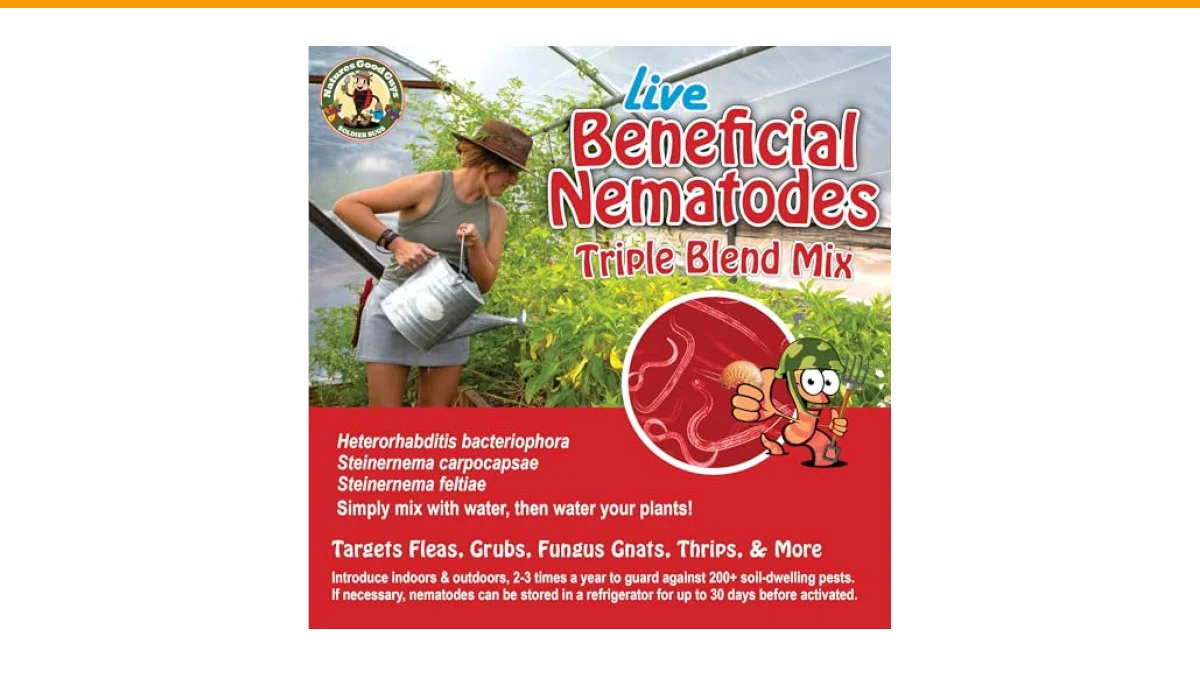
NaturesGoodGuys Triple Blend Beneficial Nematodes HB+SC+SF, 50 Million | Targets over 200 species of soil-dwelling pests including grubs, fleas, and fungus gnats
- Check the "Guide" under images to determine which nematodes you need
- ++Hb (Heterohabditis bacteriophora) ++Sc (Steinernema carpocapsae) ++Sf (Steinernema feltiae)
- Guaranteed Fresh and Alive!
Understanding Beneficial Nematodes
Beneficial nematodes are tiny, non-segmented roundworms belonging to the phylum Nematoda. Unlike their harmful counterparts, these nematodes are natural predators of many soil-dwelling pests, including weevils, root maggots, and fungus gnats. They invade the bodies of their hosts, leading to their death, and subsequently release bacteria that help decompose them, returning nutrients to the soil.
There are several species of beneficial nematodes, but three of the most effective for soil pest control are:
- Heterorhabditis bacteriophora (Hb): Best for controlling grubs and cutworms.
- Steinernema carpocapsae (Sc): Effective against caterpillars and various larvae.
- Steinernema feltiae (Sf): Ideal for attacking fungus gnat larvae and thrips.
Effective Application Techniques
Applying beneficial nematodes is straightforward, but timing and conditions matter. Follow these steps for the best results:
- Choose the right species: Use the pest guide associated with your nematode product to identify the appropriate species for your specific soil pests.
- Prepare your garden: Water your garden thoroughly a day before application. This creates a moist environment that helps nematodes move through the soil.
- Mix and apply: Mix the nematodes with water according to the product instructions. Use a spray applicator or watering can to apply the mixture evenly across the affected areas.
- Keep the soil moist: After application, maintain moist conditions for at least two weeks to ensure nematodes can establish and reproduce.
Pro tip: Apply nematodes in the evening or on cloudy days to prevent direct sunlight from harming them.
Comparing Pest Control Methods
| Method | Effectiveness | Environmental Impact | Cost |
|---|---|---|---|
| Beneficial Nematodes | High | Low | Moderate |
| Chemical Insecticides | Very High | High | Low |
| Handpicking | Moderate | Very Low | High |
| Biological Controls (predators) | Variable | Low | Variable |
Common Questions about Beneficial Nematodes
1. How long do beneficial nematodes last in the soil?
Beneficial nematodes can survive in the soil for several weeks to a few months, depending on soil conditions. Warmer and moist environments allow them to thrive longer.
2. Can I use beneficial nematodes with other pest control methods?
Yes, beneficial nematodes can be used alongside other pest control methods, including organic options. However, avoid using chemical pesticides shortly after application, as they may harm the nematodes.
3. How do I know if beneficial nematodes are working?
Monitor the pest population in your garden. If you notice a decline in pests and healthier plants, the nematodes are likely doing their job.
4. Are beneficial nematodes safe for pets and humans?
Yes, beneficial nematodes are safe for humans, pets, and beneficial insects. They specifically target soil pests and do not harm other organisms.
5. Where can I buy beneficial nematodes?
You can purchase beneficial nematodes from various garden supply stores or online platforms like Amazon. Ensure you buy from reputable sources to guarantee freshness.
Final Thoughts
- Beneficial nematodes effectively control various soil pests.
- Choose the right nematode species based on your specific pest problems.
- Apply nematodes during optimal conditions for the best results.
- Monitor soil moisture to support nematode survival.
- Consider integrating nematodes with other pest control methods for a comprehensive approach.
- For reliable options, consider products like Live Beneficial Nematodes Hb+Sc+Sf.
- Regularly check your garden for signs of pest activity to adjust your pest control strategy as needed.

