Walking through your garden and noticing small holes in the leaves of your plants can be unsettling. If you’ve spotted tiny, irregularly shaped perforations, you might be dealing with flea beetles. These pests are notorious for their destructive feeding habits, particularly on young plants. Understanding how to identify flea beetle holes in leaves, the extent of the damage they can cause, and effective control methods can help you protect your garden.
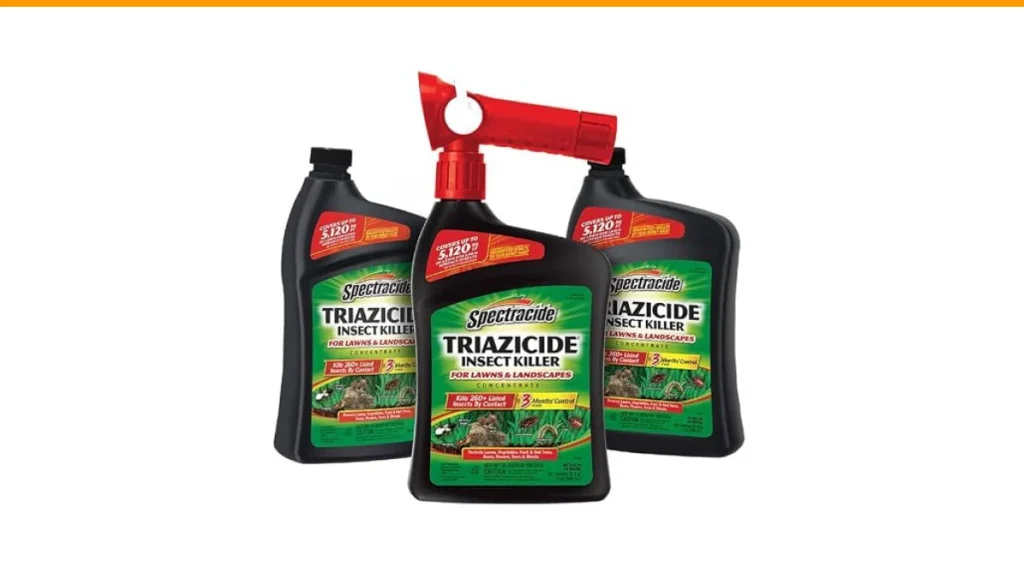
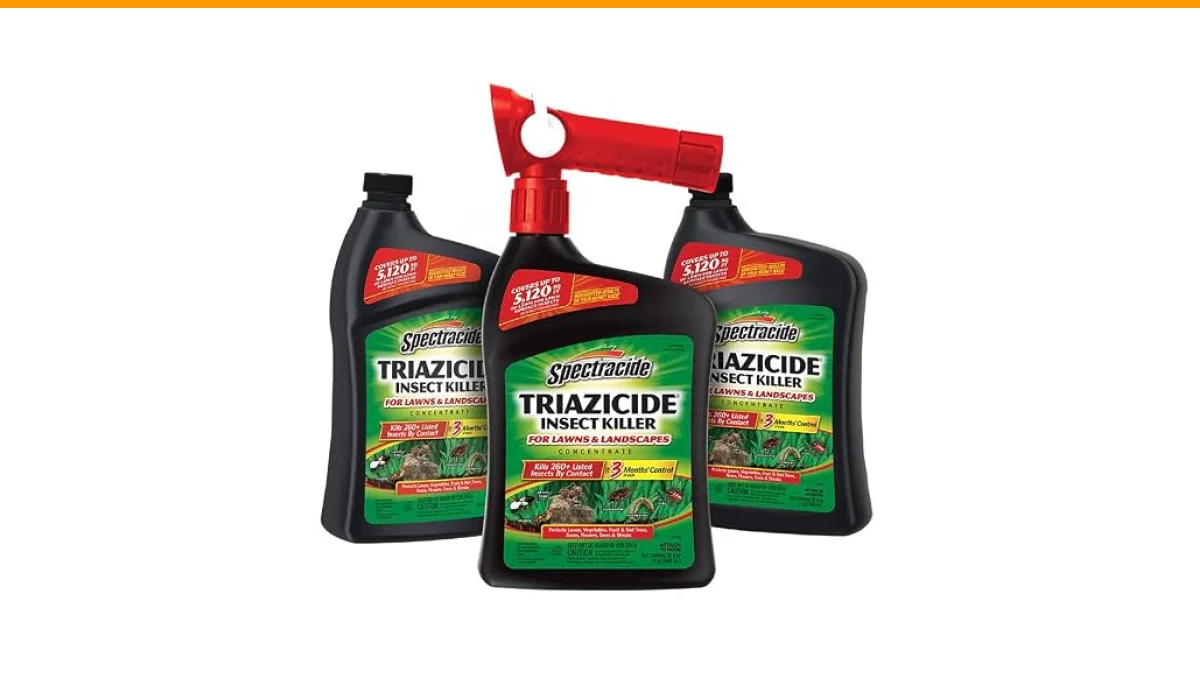
This article will equip you with the knowledge to recognize flea beetle infestations, assess the damage, and implement appropriate control measures. You’ll also discover a product that can assist in managing these pests effectively: Spectracide Triazicide Insect Killer for Lawns & Landscapes. This insect killer targets over 260 insects, including flea beetles, and is suitable for outdoor use on various plants.

Spectracide
In this article
- Spectracide Triazicide Insect Killer for Lawns & Landscapes 32 Oz, 3 Pack | Protects Lawn, Vegetables, Flowers & More, Kills 260+ Insects By Contact, Ready-To-Spray Concentrate, Controls Up To 3 Months
- Identifying Flea Beetle Damage
- Assessing the Damage
- Control Methods
- Frequently Asked Questions
- Take Action Against Flea Beetles
Spectracide Triazicide Insect Killer for Lawns & Landscapes 32 Oz, 3 Pack | Protects Lawn, Vegetables, Flowers & More, Kills 260+ Insects By Contact, Ready-To-Spray Concentrate, Controls Up To 3 Months
- OUTDOOR USE: Protects lawns, vegetables, fruit and nut trees, roses, flowers, trees and shrubs.
- KILLS 260 + INSECTS BY CONTACT: Kills above and below ground – kills grubs, ants as listed, fleas, deer ticks, Japanese beetles, E…
- NON-STAINING: Non-staining to most home siding depending on age and cleanliness – see product label for details.
Identifying Flea Beetle Damage
Flea beetles are small, jumping insects that usually measure about 1/10 to 1/4 inch long. They tend to be shiny and black or brown, and some species exhibit metallic hues. The most common signs of their presence are the holes they create in leaves. These holes are often described as shot holes because they resemble tiny bullet holes.
Flea beetles primarily target young plants, particularly seedlings and tender greens like radishes, potatoes, and eggplants. Adult flea beetles feed on the upper surfaces of leaves, leaving behind not just holes but also a characteristic stippling pattern. This feeding can slow down plant growth and lead to stunted plants or even plant death in severe cases.
Assessing the Damage
The extent of damage caused by flea beetles can vary significantly. In mild cases, you might find only a few holes on a few leaves, and the plant may recover. However, in severe infestations, entire crops can be devastated. Here’s a brief overview of how to assess the damage:
- Light Infestation: Few holes on a few leaves; plants may still thrive.
- Moderate Infestation: Numerous holes on several leaves; noticeable stunting of growth.
- Severe Infestation: Many leaves are riddled with holes; plants may wilt or die.
Regular monitoring of your plants, especially in the early growing season, can help catch infestations before they escalate.
Control Methods
Managing flea beetles requires a combination of preventative measures and active control strategies. Here are several effective methods:
- Row Covers: Floating row covers can protect young plants from flea beetles while allowing sunlight and moisture to reach them.
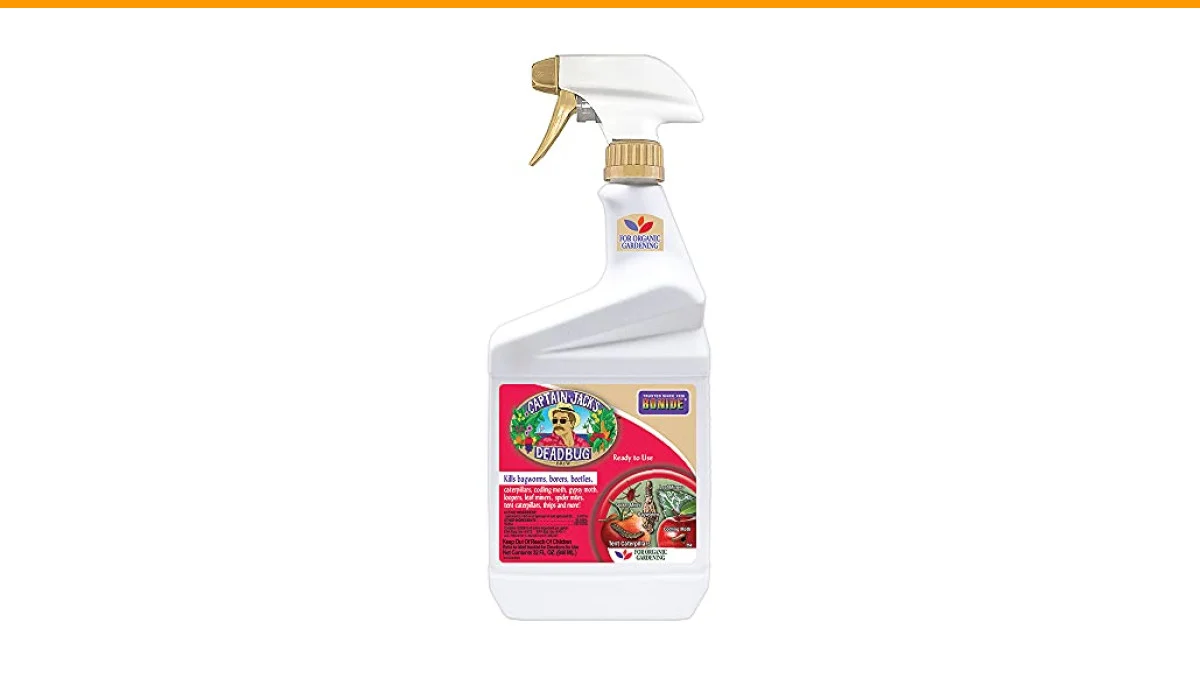
- Neem Oil: This natural pesticide disrupts the life cycle of flea beetles. Apply it according to label instructions.
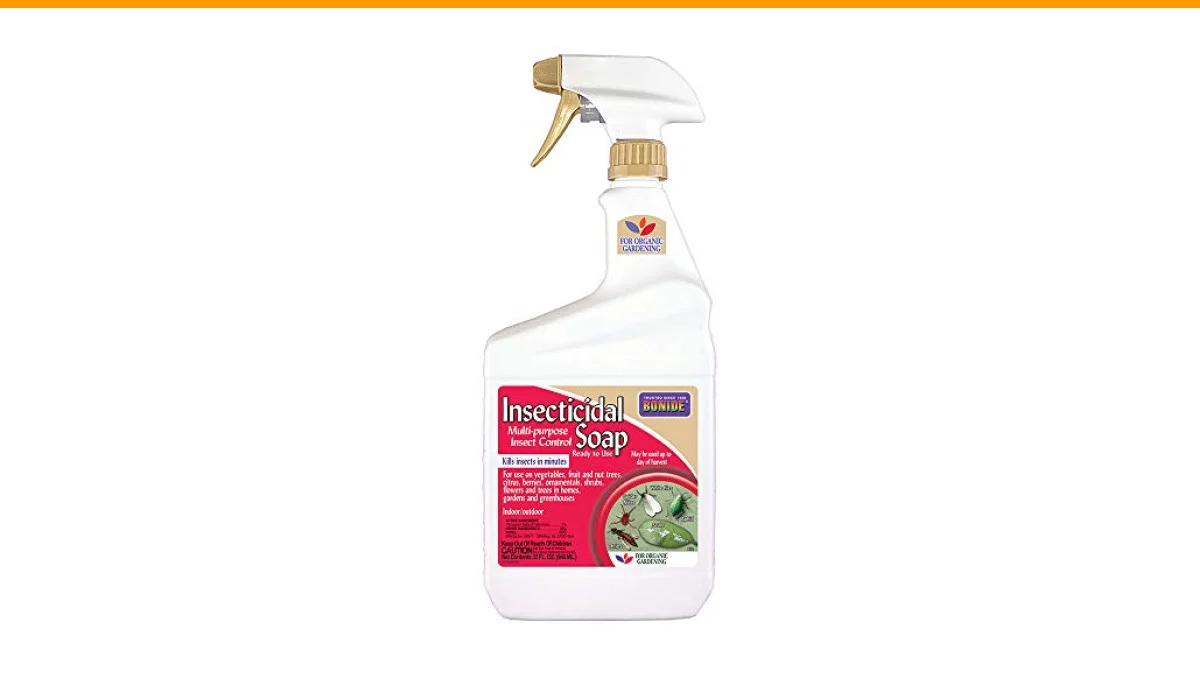
- Insecticidal Soaps: These can kill flea beetles on contact. Ensure thorough coverage of the affected plants.
- Traps: Yellow sticky traps can catch adult flea beetles, reducing their numbers in your garden.
- Chemical Solutions: For larger infestations, a product like Spectracide Triazicide Insect Killer can provide quicker relief. Its formula kills pests on contact and is suitable for various outdoor plants.
Consider integrating multiple strategies for best results, particularly in larger gardens.
| Control Method | Effectiveness | Application Frequency |
|---|---|---|
| Row Covers | Very High | As needed for young plants |
| Neem Oil | High | Every 7-14 days |
| Insecticidal Soaps | Moderate | Every 7-10 days |
| Yellow Sticky Traps | Moderate | Check regularly |
| Chemical Solutions | Very High | As needed |
Frequently Asked Questions
1. What plants are most affected by flea beetles?
Flea beetles commonly target young seedlings and tender plants like radishes, potatoes, tomatoes, and eggplants. These plants are particularly vulnerable during their early growth stages.
2. How can I organically control flea beetles?
Organic control methods include using row covers, applying neem oil, and introducing beneficial insects like ladybugs, which can help keep flea beetle populations in check.
3. Are flea beetles harmful to humans or pets?
No, flea beetles do not pose a direct threat to humans or pets. Their impact is primarily on plants, which can lead to reduced crop yields.
4. How do I prevent flea beetles from returning?
Rotate your crops each year, remove debris, and maintain healthy soil to discourage flea beetle populations. Regular monitoring and timely interventions can also help prevent infestations.
5. When should I start looking for flea beetles?
Begin monitoring for flea beetles in the spring as temperatures warm up. Early detection is key to managing infestations before they become severe.
Take Action Against Flea Beetles
- Identify flea beetle holes promptly to assess plant health.
- Implement row covers for young plants.
- Consider neem oil or insecticidal soaps for organic control.
- Use sticky traps to monitor beetle populations.
- For quick relief, check the current price of Spectracide Triazicide Insect Killer.
- Rotate crops and remove debris to prevent future infestations.
- Regularly inspect plants for signs of damage.