In this article
Introduction
Imagine tending to your garden, only to discover that your once-vibrant plants are now exhibiting signs of distress. Leaves may appear stippled, discolored, or even distorted. This can be the result of thrips infestation, a common yet often overlooked pest issue that can wreak havoc on a variety of plants. These tiny insects, often measuring just 1-2 millimeters in length, can cause significant damage if left unchecked.
This article will provide you with a thorough understanding of thrips damage and control methods. You’ll learn how to identify these pests, the specific types of damage they cause, and various strategies for managing and eradicating them. Whether you’re a seasoned gardener or just starting out, this guide will equip you with the knowledge needed to protect your plants effectively.
Bonide
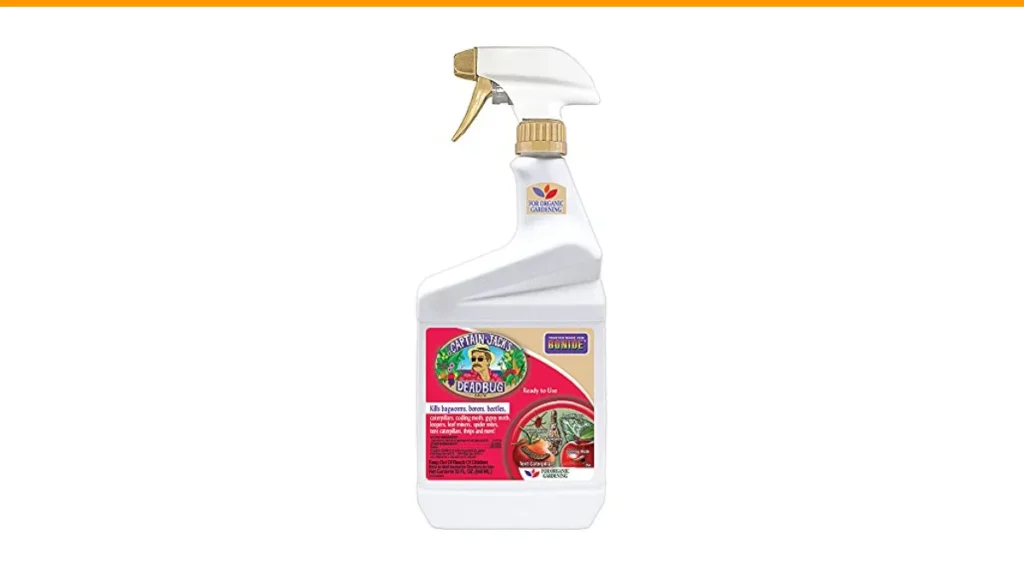
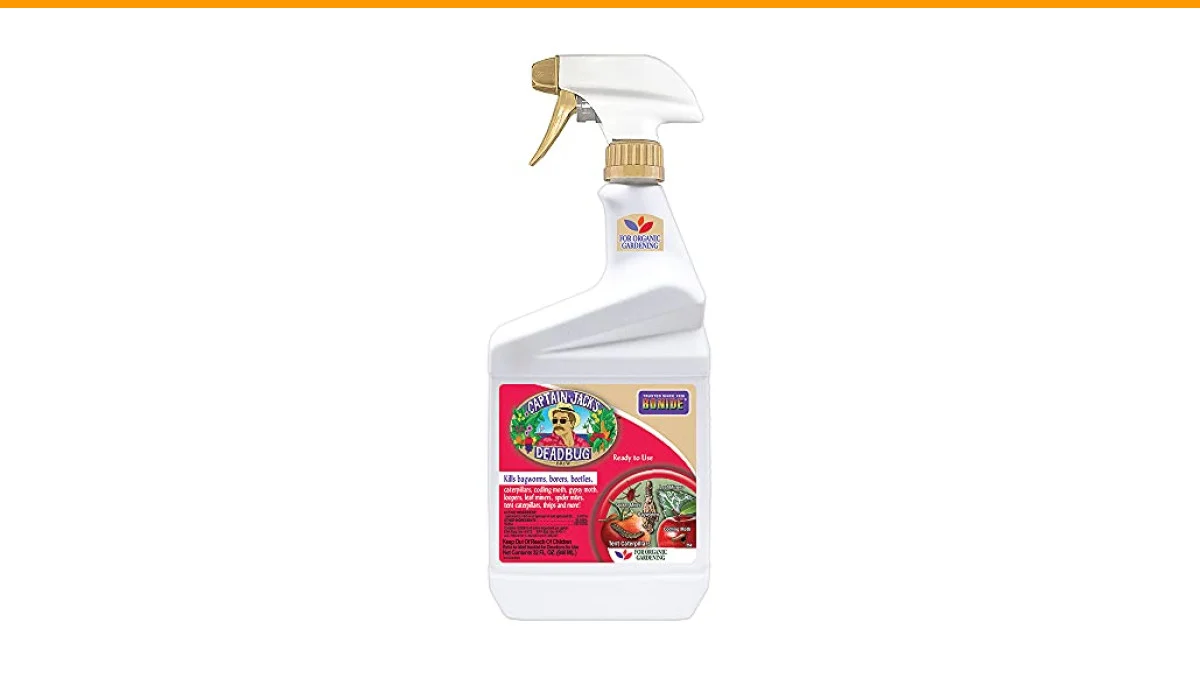
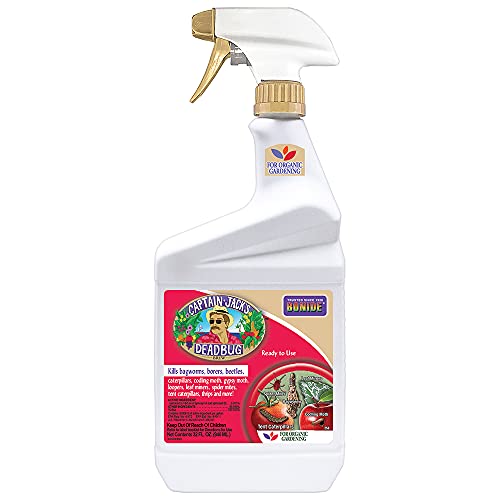
Bonide Captain Jack's Deadbug Brew Insecticide, 32 oz | Ready-to-Use Spray, Outdoor, Mite Killer, For Organic Gardening
- INSECT KILLER - This pest control is great for use on bagworms, borers, beetles, caterpillars, codling moth, gypsy moth, spider mi…
- VARIETY OF FOLIAGE - Protects a wide variety of plants including fruiting vegetables, cucurbits, cole crops, leafy vegetables, tub…
- TARGETS PROBLEM INSECTS - Product is intended for control of listed insects. It does not significantly impact predatory beneficial…
One effective solution to consider is Bonide Captain Jack’s Deadbug Brew Ready-to-Use Spray. This outdoor insecticide targets thrips alongside other pests while being suitable for organic gardening. It contains Spinosad, a natural bacteria, making it a safe choice for controlling these troublesome insects.
Identifying Thrips Damage
Recognizing thrips damage is crucial for effective management. Thrips typically feed by puncturing plant cells and sucking out the contents. This feeding behavior results in a variety of visible symptoms:
- Stippling: Tiny white or silver specks appear on leaves, indicating cell damage.
- Leaf Distortion: New growth may become twisted or deformed due to feeding.
- Fading or Yellowing: Leaves may lose color and vitality as they succumb to stress.
- Black Fecal Droppings: Small black specks on leaves are often droppings from the thrips.
Different plant species may exhibit varying degrees of sensitivity to thrips damage. For instance, flowers like roses and vegetables such as tomatoes can show severe signs of infestation, leading to reduced yield or aesthetic appeal.
Common Misconceptions About Thrips Control
1. All Insecticides Work the Same
A common misconception is that any insecticide will effectively control thrips. This isn’t true. Many insecticides can harm beneficial insects, which help maintain healthy ecosystems. Products like Bonide Captain Jack’s Deadbug Brew specifically target thrips without significantly impacting beneficial insects, making it a more thoughtful choice.
2. Thrips Only Affect Outdoor Plants
Another myth is that thrips are only a problem for outdoor gardens. In reality, they can infest indoor plants as well. Houseplants, especially those with soft foliage like ferns and certain flowering plants, can fall victim to thrips. Regular monitoring and treatment are essential for indoor plant care.
Effective Thrips Control Methods
Controlling thrips requires a multifaceted approach. Here are several effective strategies:
1. Cultural Controls
Maintaining healthy plants is the first line of defense. Here are key practices:
- Regular Monitoring: Inspect plants frequently for early signs of thrips.
- Healthy Soil: Ensure plants receive adequate nutrients and water to promote resilience.
- Remove Debris: Clear away dead leaves and organic matter that can harbor pests.
2. Mechanical Controls
Physical barriers can help prevent thrips from accessing plants:
- Sticky Traps: Yellow sticky traps can capture adult thrips, helping reduce their population.
- Water Spray: A strong stream of water can dislodge thrips from plants, especially on the undersides of leaves.
3. Chemical Controls
If populations are high, chemical treatments may be necessary. Use insecticides specifically labeled for thrips, such as Bonide Captain Jack’s Deadbug Brew. This product is effective and safe for organic gardening, providing peace of mind while tackling thrips damage.
Comparing Control Methods
| Control Method | Effectiveness | Impact on Beneficial Insects |
|---|---|---|
| Cultural Controls | Moderate | Low |
| Mechanical Controls | Moderate to High | Low |
| Chemical Controls | High | Varies |
FAQs About Thrips Damage and Control
What are thrips?
Thrips are tiny, slender insects that feed on plant tissues. They can cause significant damage by sucking the sap out of leaves and flowers.
How do I know if my plants have thrips?
Look for signs like stippling, distorted leaves, and visible fecal droppings. Regular monitoring helps catch infestations early.
Can I control thrips organically?
Yes, many organic methods exist, including using insecticidal soaps, neem oil, and products like Bonide Captain Jack’s Deadbug Brew.
How often should I treat for thrips?
Treatment frequency depends on the severity of the infestation. Regular monitoring is key; treat when you first notice signs of thrips.
Are thrips harmful to humans?
Thrips do not pose a direct threat to humans. However, they can cause significant damage to plants, impacting food production and aesthetic value.
Final Thoughts on Thrips Damage and Control
- Identify thrips damage early to minimize plant stress.
- Use cultural methods as your first line of defense.
- Consider mechanical controls like sticky traps and water sprays.
- Choose targeted insecticides that minimize harm to beneficial insects.
- Regularly inspect both indoor and outdoor plants for signs of thrips.
- Educate yourself on the specific plants you grow to understand their vulnerabilities.
- For organic gardening, consider Bonide Captain Jack’s Deadbug Brew for effective control without harming beneficials.