Introduction
Imagine walking through your garden, admiring the flowers and fresh vegetables, only to discover that something is nibbling away at your plants. Earwigs, those small, elongated insects with pincers, can be a gardener’s nightmare. They often hide in moist areas, making garden beds an attractive habitat. Understanding how to control earwigs effectively can save your plants and preserve the beauty of your garden.
This guide covers practical methods for earwig control in garden beds. You will learn about prevention strategies, trapping techniques, and natural solutions to keep these pests at bay. With the right approach, you can maintain a healthy garden ecosystem.
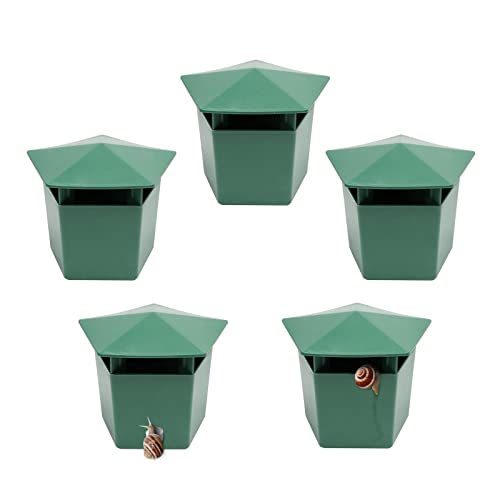
Beslands
Beslands 5 Pcs Plastic Box 3.9" x 2.4" x 2.8" (Green)
- Material: Plastic
- Size: 10*6*7cm. Applicable area: 20-50 square meters
- Feature: Storage
For those looking to implement a trapping method, consider the Beslands 5 Pcs Plastic Box. These easy-to-use plastic boxes can be placed in your garden beds to trap earwigs effectively. Simply dig a small pit, place the box, and let it do the work.
Understanding Earwigs
Earwigs are nocturnal insects, often found in damp soil, mulch, or decaying plant material. They tend to feed on decaying matter, but they can also damage young plants and seedlings. Their pincers, while more intimidating than harmful, can cause physical damage to delicate plant leaves. Knowing their habits and habitats can help you devise a control plan.
Effective Prevention Strategies
Preventing earwigs from invading your garden beds is the most efficient way to manage them. Here are several strategies:
- Maintain Dry Conditions: Earwigs thrive in moist environments. Ensure proper drainage in your garden beds. Avoid overwatering and consider using drip irrigation systems.
- Remove Debris: Clear away any debris, such as fallen leaves and dead plants, which can provide shelter for earwigs.
- Use Barriers: Create physical barriers using copper tape or diatomaceous earth around the garden beds to deter earwigs from entering.
Trapping Techniques
Trapping is a hands-on approach to earwig control in garden beds. Here are some effective methods:
- Homemade Traps: Fill shallow containers with a mixture of water and a few drops of dish soap. Place these traps around the garden. The soap will trap earwigs that fall in.
- Commercial Traps: Use plastic boxes, like the ones mentioned earlier, which can be baited with food. They will lured in and unable to escape.
Natural Solutions
If you prefer eco-friendly methods, consider these natural solutions for earwig control:
- Essential Oils: Sprays made from essential oils like peppermint or citrus can repel earwigs. Mix with water and spray around garden beds.
- Beneficial Insects: Introducing natural predators, such as birds or certain beetles, can help keep earwig populations in check.
- Companion Planting: Certain plants, like marigolds, can deter earwigs. Planting these around your garden beds can serve as a natural barrier.
Comparison of Earwig Control Methods
| Method | Effectiveness | Ease of Use | Cost |
|---|---|---|---|
| Maintaining Dry Conditions | High | Moderate | Low |
| Trapping (Homemade) | Moderate | Easy | Very Low |
| Trapping (Commercial) | High | Very Easy | Moderate |
| Essential Oils | Moderate | Easy | Moderate |
| Beneficial Insects | Variable | Moderate | Variable |
Frequently Asked Questions
What attracts earwigs to garden beds?
Earwigs are drawn to damp, dark environments. They often seek out areas with decaying organic matter and moist soil, making garden beds an ideal habitat.
How can I tell if I have an earwig problem?
Signs of an earwig infestation include visible damage to leaves and seedlings, as well as finding earwigs themselves in the soil or hiding in plant debris.
Are earwigs harmful to my plants?
While earwigs primarily feed on decaying material, they can damage young plants and seedlings. Their feeding can create unsightly holes in leaves.
Can I use chemical pesticides for earwig control?
Chemical pesticides can be effective but may also harm beneficial insects in your garden. Consider natural methods or targeted traps first.
How often should I check traps?
Inspect traps at least once a week. Remove any captured earwigs and refresh bait if necessary to maintain effectiveness.
Takeaways for Effective Earwig Control
- Keep garden beds dry to deter earwigs.
- Regularly clear debris from the garden.
- Use traps for effective monitoring and control.
- Consider natural repellents like essential oils.
- Introduce beneficial insects to manage earwig populations.
- Check traps weekly to ensure they are effective.
- Maintain a diverse garden with companion plants to deter pests.