Imagine stepping into a garden that feels like a cozy retreat from the outside world. The air is filled with the scent of blooming flowers, herbs, and the sound of bees buzzing around. You see a riot of colors, textures, and scents that invite exploration. This is the essence of a cottage garden, a style that’s both inviting and whimsical, designed to celebrate nature’s beauty. In this article, we’ll explore the core principles of cottage garden design, ensuring you can cultivate your own enchanting space.
After understanding these principles, you’ll be equipped to create a garden that not only reflects your personality but also harmonizes with the natural environment. You’ll learn about plant selection, layout considerations, and maintenance tips that will help you thrive in your gardening journey.

MelonArt
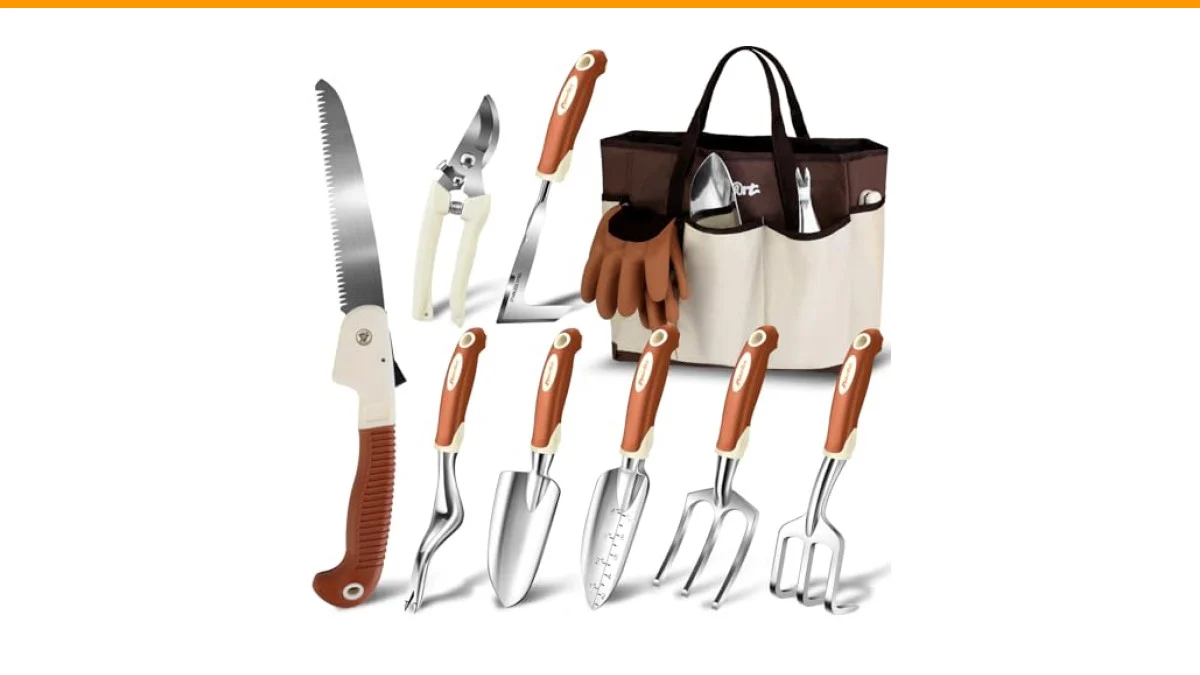
MelonArt Garden Tool Set,10 Pcs Heavy Duty Gardening Hand Tool Kit for Women Aluminum with Non Slip Ergonomic Handle, Storage Tote Bag and Gardening Gloves, Ideal Gifts for Women and Men
- Garden Tool Sets: The garden tools for gardening comes with folding saw, serrated trower, small trowel, cultivator, hand rake, pru…
- Durable & Rust-Resistant: Constructed from heavy-duty aluminum alloy, meticulously crafted for durability and longevity. From the…
- Ergonomic Non-Slip Handle: Feature with non-slip handles and comfortable grip reduces hand fatigue and increases comfort while wor…
For hands-on gardening, consider the MelonArt Garden Tool Set. This comprehensive kit includes all the essential tools needed for maintaining your cottage garden, from trowels to pruners, ensuring you’re well-equipped to bring your vision to life.
1. Embrace Diversity in Plant Selection
A hallmark of cottage garden design is its diversity. Aim for a mix of annuals, perennials, shrubs, and even small trees. This variety not only creates visual interest but also supports local wildlife. For example, consider planting:
- Perennials: Lavender, Echinacea, and Foxglove.
- Annuals: Nasturtiums and Marigolds add vibrant color.
- Herbs: Basil, Thyme, and Rosemary are both functional and fragrant.
Planting in groups allows for better pollination and creates a more natural feel. Aim for at least three of each plant type to establish cohesion.
2. Create an Informal Layout
Cottage gardens thrive on a sense of informality. Straight lines and rigid structures can feel too manicured. Instead, opt for curved pathways and irregular plant beds. Here are some layout ideas:
- Use winding paths made of gravel or stepping stones.
- Incorporate borders with low hedges or picket fencing.
- Group plants in clusters rather than rows for a more organic look.
Consider adding seating areas, like a bench or a couple of chairs tucked away among the flowers. This invites visitors to linger and enjoy the space.
3. Consider Seasonal Interest
To maintain beauty throughout the seasons, plan for plants that bloom at different times. A well-designed cottage garden will have:
- Spring: Daffodils and Tulips
- Summer: Roses and Hydrangeas
- Autumn: Asters and Sedums
- Winter: Evergreens and Holly
Incorporating evergreens ensures that there is structure even in the cold months, maintaining the garden’s charm year-round.
4. Integrate Hardscape Elements
Hardscape features like pathways, walls, and garden furniture add structure to the garden and enhance its aesthetic. Consider these additions:
- Stone walls: They add rustic charm and divide spaces.
- Patios: Use natural materials like flagstone for a seamless look.
- Garden furniture: Choose wood or wrought iron pieces that blend with the natural surroundings.
These elements provide contrast to the lushness of plants and can help define different areas within your garden.
| Element | Purpose | Examples |
|---|---|---|
| Plants | Add color, texture, and fragrance. | Perennials, Annuals, Herbs |
| Pathways | Guide visitors and enhance accessibility. | Gravel, Stepping Stones |
| Seating Areas | Encourage relaxation and enjoyment of the space. | Benches, Chairs |
| Fencing | Provide structure and frame the garden. | Picket Fences, Hedges |
What are the key characteristics of a cottage garden?
Cottage gardens are characterized by their informal layout, diverse plant selection, and a focus on seasonal interest. They often feature winding paths, rustic decorations, and a mix of flowering plants and herbs.
How do I choose plants for a cottage garden?
Select plants that thrive in your local climate and soil. Include a mix of perennials, annuals, and herbs. Look for varieties that bloom at different times throughout the year to ensure continuous color and interest.
What hardscape features are essential for a cottage garden?
Essential hardscape features include pathways, seating areas, and decorative elements. Use natural materials like stone and wood to ensure they blend seamlessly with the garden’s rustic aesthetic.
Can I design a cottage garden in a small space?
Absolutely! Cottage gardens can be adapted to small spaces. Utilize vertical gardening techniques, container gardening, and choose smaller plants to maximize your limited area.
What maintenance is required for a cottage garden?
Cottage gardens require regular maintenance such as weeding, deadheading flowers, and pruning. Mulching helps suppress weeds and retain moisture. Seasonal tasks will ensure your garden remains vibrant and healthy.
Practical Steps to Create Your Cottage Garden
- Choose a sunny location with good drainage.
- Plan for a mix of plant types for visual interest.
- Incorporate hardscape elements to add structure.
- Ensure plants have staggered bloom times for year-round appeal.
- Maintain the garden regularly to keep it flourishing.
With these principles, you’re on your way to crafting a charming and inviting cottage garden. For more practical gardening tips, check out our articles on best garden trowels and best hand forks tailored for cottage gardens.