You kneel down to pull one dandelion and the fork bends at the neck. Or the tines snap off in hard clay. Or the handle digs into your palm until your wrist aches. A bad hand fork turns ten minutes of weeding into a fight, and most gardeners have owned at least one.
A good hand fork solves three problems at once. It penetrates hard ground without flexing, it lifts weed roots instead of cutting them, and it stays comfortable through a full session. The details that matter are the head material, whether the tines are forged or welded, how wide the tines are spaced, and how the handle fits your grip.
We looked at five forks that cover very different jobs and very different hands. One is a long-handled border fork for people who can’t kneel. One is built for clay and rocks. One is aimed at arthritic grips. One is a cheap cultivator claw. One is a traditional ash-handled fork that lasts a decade. The short answer: the Berry&Bird stainless hand fork is the best all-rounder, but two of the others beat it for specific jobs.
Here’s how the five compare on the specs that actually drive the buying decision.
| Features | Berry&Bird Hand Fork | Haliaeetus Hand Fork | Garden Guru Fork | MECHEER Hand Rake | Berry&Bird Long Handle |
|---|---|---|---|---|---|
| Material & Build | Stainless steel, ash handle | Thick stainless, welded head | Stainless tines, ergonomic grip | Aluminum alloy, rubber grip | Stainless steel, 12-inch ash |
| Key Specification | Standard short handle | 12.3-inch total length | Hang hole in handle | 0.28-inch thick claws | 22.6-inch total length |
| Main Feature | FSC-certified ash, 10-year lifespan | Sharp tines lift big weeds | Rust-resistant stainless tines | 3 deep curved claws | 12-inch reach, no kneeling |
| Performance | Balanced, resists bending | Digs deep, lifts roots | Works around delicate stems | Breaks up hard turf | Reaches borders and beds |
| Best Use Case | All-round pot and bed work | Clay and rocky ground | Weeding and transplanting | Loosening and aerating | Borders, avoiding kneeling |
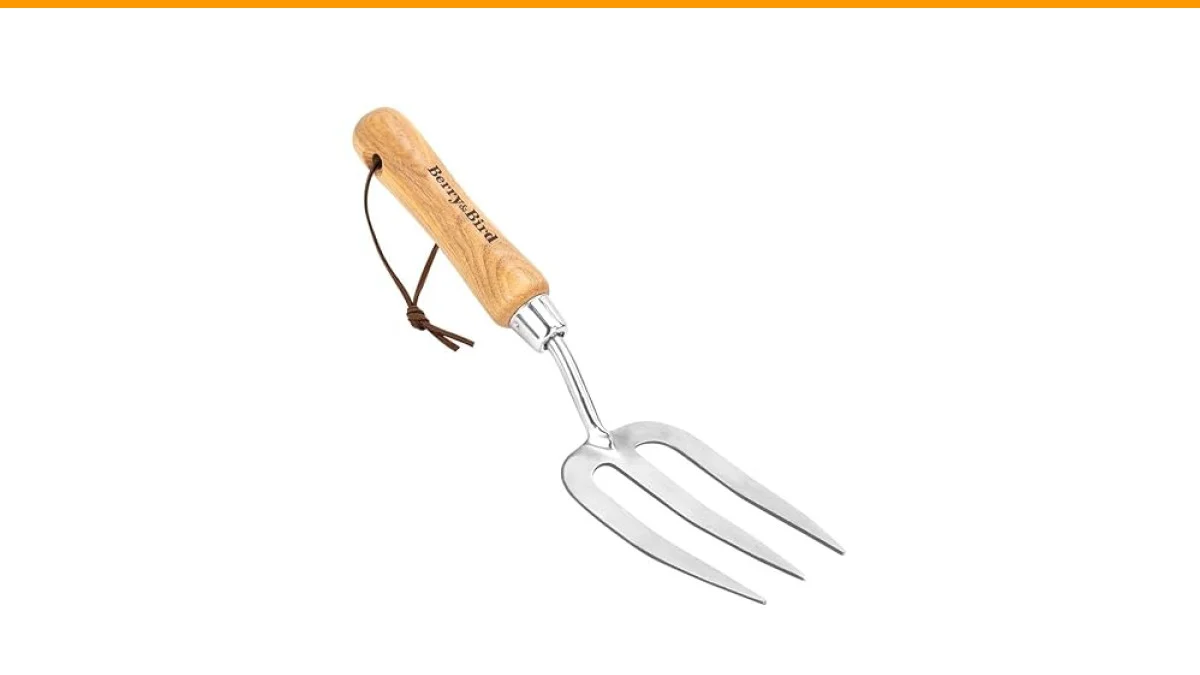
Berry&Bird Gardening Hand Fork

Berry&Bird
Berry&Bird Gardening Hand Fork, Stainless Steel Hand Weed Fork | Traditional Garden Hand Fork Tool with Ergonomic Ash Wood Handle, Garden Tool for Weeding, Digging, Planting and Cultivating
- WHAT YOU GET - 1 * Stainless Steel Hand Fork. Our garden forks are made by traditional manual process and can be used for more tha…
- ERGONOMIC DESIGN- Berry&Bird hand fork has good balance and comfortable proportion, which is very suitable for planting in small a…
- STRONG AND TOUGH - Ideal for aerated soil, it will not bend under the action of force when used for harder garden work. The sharp…
This is the fork for the gardener who keeps one tool by the back door and grabs it for everything. Pots, raised beds, borders, transplanting seedlings, scratching out chickweed. The short ash handle and stainless head make it light enough to use one-handed while you hold a trowel in the other.
What stands out is the balance. The head isn’t oversized, so the fork doesn’t tip forward in your hand the way heavy cast forks do. The ash handle comes from FSC-certified forest stock, and the brand claims a ten-year working life. Stainless tines shed wet soil instead of caking, which matters more than most people realize in spring when everything is sticky. The wood darkens and smooths with use, so it looks better after two seasons than it did new.
The trade-off is reach. This is a kneeling tool. If you have bad knees or a wide border you can’t step into, you’ll be crawling. The tines are also on the shorter side, so deep-rooted taproots like mature dandelions need a second pass with a weeder. And the wooden handle will crack if you leave it outside through winter. It’s a tool you have to bring in.
- Stainless steel head resists rust and soil adhesion
- FSC-certified ash handle, ergonomic shape
- Balanced weight for one-handed use in pots
- 30-day replacement and 2-year warranty
- Needs indoor storage to protect the wood
Best for: The everyday gardener who wants one durable fork for pots, beds, and light borders.
Haliaeetus Garden Hand Fork

Haliaeetus
Haliaeetus Garden Hand Fork, 12.3'' Hand Weeding Fork with Sharp Tine | for Easy Uprooting Large Weeds, Stainless Steel Garden Fork, Comfortable Wood Handle Hand Fork for Loosening Soil, Composting
- 【Great to Uproot Large Weeds】The gardening fork easily goes through the ground to digs deep under the weed and give more reach and…
- 【Loosens Soil Almost Effortlessly】With sharp and sturdy 3 prong tine that make it very easy to break through hard soil, even if yo…
- 【Comfortable Wooden Handle】Wood is a natural shock absorber and will not cause sore wrists even work for a few hours. The handle o…
Picture someone staring at a patch of compacted clay with weeds the size of dinner plates. That’s who this fork is built for. The 12.3-inch length gives you more leverage than a stubby hand fork, and the sharp tines drive deep enough to get under a weed’s whole root ball rather than snapping the top off.
The stainless steel here is noticeably thicker than budget forks. The brand uses seamless welding at the head joint, which is the failure point on cheap forks. In hard ground, that welded neck is where most tools bend or shear. The wooden handle acts as a shock absorber, so hitting a rock doesn’t jolt straight up your wrist. The brand recommends working moist soil after rain, and that’s honest advice, not a weakness. Every fork performs better in damp clay than dry clay.
Downsides? The wooden handle needs the same care as any wood-handled tool. No leaving it in a bucket of water. The fork is also heavier than a standard hand fork, which you’ll notice after an hour of weeding. And the sharp tines are genuinely sharp, so wear gloves when you first use it.
- 12.3-inch length for extra leverage
- Thick stainless steel with seamless welded head
- Sharp 3-prong tines lift large weed roots
- Wooden handle absorbs shock from rocks
- Lifetime warranty service
Best for: Gardeners fighting clay, compacted soil, or oversized weeds who need real digging power.
Garden Guru Stainless Steel Hand Fork

Garden Guru Lawn & Garden Tools
Garden Guru Stainless Steel Hand Weeder Fork Tool – Rust Resistant Stainless Steel – Ergonomic Handle – Great for Planting, Spreading Mulch, Weeding, Loosening & Transplanting Soil
- A must-have hand tool for every gardener. This hand rake is perfect for weeding, loosening and transplanting soil, turning, and sp…
- Stainless steel tines are rust resistant and sturdy, allowing easy penetration of soil. Fork also has the maneuverability to work…
- Ergonomic grip for comfort and control makes weeding and transplanting a breeze. Grip is designed to alleviate pressure on the pal…
Some gardeners care less about brute force and more about control. This fork suits the person working around established plants, thinning seedlings, or spreading mulch in a densely planted bed. The stainless tines are thin enough to slip between stems without uprooting the flowers you actually want to keep.
Rust resistance is the headline here. Stainless tines won’t corrode if you forget to dry them once in a while, and they resist warping better than cheaper steel. The ergonomic grip is shaped to spread pressure across the palm rather than concentrate it on one spot, which helps during long weeding sessions. There’s a large hang hole at the end of the handle, so storage is simple. The brand backs it with a lifetime warranty and a 90-day satisfaction guarantee.
The honest limitation is that this isn’t a heavy-digging fork. Push it into rock-hard clay and you’ll feel the tines flex. It’s a precision tool, not a demolition tool. If your soil is loose or you’ve already amended it, this is a pleasure to use. If you’re breaking new ground, look at the Haliaeetus instead.
- Rust-resistant stainless steel tines
- Ergonomic grip reduces palm and finger pressure
- Maneuvers around delicate stems and seedlings
- Hang hole for easy storage
- Lifetime warranty plus 90-day guarantee
Best for: Gardeners working in established beds who need precision around delicate plants.
Hand Rake Garden Tool, Heavy Duty

MECHEER
Hand Rake Garden Tool, Heavy Duty Hand Cultivators for Gardening Weed Rake | Small Garden Claw Tool, Ergonomic Handle, For Cultivating, Loosening, Weeding
- 3 Thick Claws Design: The hand cultivator garden tool is a practical gardening tool with 3 claws for loosening, cultivating, diggi…
- Thickened Aluminum Alloy Material: Our hand rake for gardening is made of high-quality aluminum alloy material, which allows the g…
- Ergonomic Design: The hand rake garden tool is designed with an ergonomic rubber grip handle that reduces hand and wrist fatigue w…
Not every gardener wants a fork. Some want a claw that rips through crusted soil and turf. This MECHEER cultivator is a three-claw hand rake, and it’s aimed at the budget-conscious buyer who wants one cheap tool that does loosening, aerating, and weeding without much fuss.
The claws are 0.28 inches thick, made from aluminum alloy. That’s a meaningful number. Thin stamped claws bend the first time you hit a root. These are chunky enough to dig into hard turf and turn it over. The curved tine shape penetrates deep and pulls soil up rather than just scratching the surface, so aeration actually works. The rubber TPR grip is non-slip and comfortable, and the whole tool is light enough to toss in a garden bag and forget about until you need it.
Here’s the catch. Aluminum alloy is lighter than steel, and lighter usually means less durable under heavy load. This tool handles normal garden work fine. It won’t survive being used as a pry bar on tree roots. The claws also have wider spacing than a fork, so they’re better for breaking up soil than for lifting individual weed roots. It’s a cultivator, not a weeder, despite what the listing says.
- Three thick 0.28-inch aluminum alloy claws
- Curved tines penetrate and aerate deeply
- Non-slip TPR rubber ergonomic grip
- Lightweight and compact for garden bags
- Hanging hole for storage
Best for: Budget buyers who want a light, cheap tool for loosening soil and light weeding.
Berry&Bird Garden Hand Fork, Long Handle

Berry&Bird
Berry&Bird Garden Hand Fork, 22.6 In Long Handle Stainless Steel Weed Fork
- WHAT YOU GET - 1 * Long Handled Weed Fork. Our garden forks are made by traditional manual process and can be used for more than 1…
- WIDE APPLICATION - The traditional long handled stainless steel weed fork has a traditional style and weatherproof 12 inch handle…
- COMFORTABLE HANDLE - The 12 inch handle provides greater reach and leverage, making it easier to reach a corner of the garden. Str…
This is the fork for the gardener who can’t kneel anymore, or simply doesn’t want to. The 22.6-inch total length puts a 12-inch ash handle between your hand and the soil, so you can stand upright and still work a border, a bed edge, or the back of a crowded perennial patch.
Reach is the whole point here. You can weed between plants without stepping on them, which is a real problem in tight borders. The extra length also gives more leverage, so pushing the fork into soil takes less effort than a short-handled version. The ash handle is FSC-certified and ergonomically shaped, with a streamlined profile that reduces hand fatigue. The stainless head is weatherproof and matches the build quality of the short-handled Berry&Bird fork. Same 2-year warranty, same 30-day replacement policy.
Two things to know. A long handle means less precision. You can’t feel exactly where the tines are going the way you can with a short fork, so delicate transplanting work is harder. And the extra length makes it awkward to store in a small shed. It’s a specialist tool, not a replacement for a standard hand fork.
- 22.6-inch total length with 12-inch ash handle
- Stand-up weeding for borders and beds
- FSC-certified ash, ergonomic streamlined shape
- Weatherproof stainless steel head
- 2-year warranty and 30-day replacement
Best for: Gardeners with limited mobility or anyone working tight borders without kneeling.
How We Chose These Products
We started with the two failure points that kill most hand forks: the head joint and the tine material. Forks with welded joints fail differently than forged heads, and stainless tines behave differently from carbon steel in wet soil. Any fork that didn’t address these basics got cut from the list.
From there, we matched each fork to a real job and a real buyer. A precision weeder for established beds is a different tool from a clay-busting digger, even if both are called hand forks. We also checked handle material, grip shape, warranty terms, and storage needs. The forks that made the cut each solve a specific problem better than the others. No filler picks, no near-duplicates.
Buying Guide: What Really Matters
Stainless steel tines resist rust and shed wet soil, which makes them easier to clean and longer-lasting in damp climates. Carbon steel holds a sharper edge and costs less, but it rusts fast without oiling. For a hand fork you’ll use weekly, stainless is the safer buy. For a tool you’ll sharpen and maintain, carbon steel rewards the effort.
Forged heads are one piece of metal shaped under heat. Welded heads are two pieces joined together. Welded joints are the weak point on cheap forks, and they fail first under heavy digging. If you garden in clay or rocky ground, pay attention to whether the head is forged or welded. The Haliaeetus fork uses seamless welding, which is stronger than a standard weld but still not a true forged head.
Tine spacing decides what the fork is good at. Wide-spaced tines break up soil and aerate. Narrow-spaced tines lift weed roots and work around plants. Tine count matters less than spacing and width. A three-tine fork with wide spacing does a different job than a four-tine fork with tight spacing, even though both look similar on a shelf. Match the spacing to your main task, not the tine count.
Handle material is a comfort decision. Wood absorbs shock and warms up in cold weather, but it cracks if left outside. Rubber and TPR grips are comfortable and weatherproof but can degrade in UV light. Fiberglass handles are strong and light but transmit more vibration. For arthritic hands, a thick, shaped grip with a wood or rubber surface reduces strain more than a thin bare handle.
Fork Type by Task: Weeding, Aerating, Transplanting
Weeding needs narrow tines that slip under a root and lift it whole. The Haliaeetus and Garden Guru forks fit this job. Wide-spaced cultivators like the MECHEER claw tend to break roots instead of lifting them, which means the weed comes back.
Aerating and loosening need wide-spaced, curved tines that pull soil up and turn it over. The MECHEER cultivator is built for this. A standard hand fork will do it, but the narrow tines make the work slower.
Transplanting needs precision and a light touch. The Garden Guru fork’s thin stainless tines work around delicate roots without disturbing neighbors. A long-handled fork is the wrong tool here because you lose the feel for where the tines are.
Maintenance and Rust Prevention
Wipe the head dry after every use. That one habit prevents most rust. If you garden in a wet climate, a light coat of oil on carbon steel tines once a month keeps them clean. Stainless tines need less care but still benefit from a wipe-down.
Wooden handles need occasional oiling with linseed or tung oil to stop cracking. Never soak a wood handle in water or leave it in a bucket. Store wooden-handled forks indoors or in a dry shed. Sharpen tines with a file once a season if the fork starts bouncing off soil instead of cutting in. A few passes on the inner edge of each tine restores bite.
Our Top Recommendation
The Berry&Bird short-handled hand fork wins for most gardeners. It balances weight, durability, and comfort better than the others, and the FSC-certified ash handle plus stainless head should last a decade with basic care. It’s the fork you’ll reach for without thinking.
If your soil is heavy clay or full of rocks, the Haliaeetus fork is the better pick. Its thicker steel and longer reach handle the ground that bends cheaper tools. If kneeling is the problem, the long-handled Berry&Bird solves that in one move. If you’re on a tight budget and just need to break up soil, the MECHEER cultivator does the job for less. And if you work around delicate plants, the Garden Guru fork’s precision tines are worth the trade in digging power.
Frequently Asked Questions
Do I need a hand fork and a hand trowel, or will one do?
A fork lifts and loosens. A trowel digs and scoops. For planting bulbs or moving soil, you want a trowel. For weeding, aerating, or breaking up compacted ground, you want a fork. Most gardeners end up with both.
How do I stop my fork from bending in clay soil?
Work the soil when it’s moist, not bone dry. Wet clay gives way to tines. Dry clay fights back and bends cheap metal. Also check whether your fork has a forged head or a welded joint. Welded forks bend at the joint first.
Is a wooden handle better than rubber for arthritic hands?
Wood absorbs shock better and doesn’t get slippery when wet. Rubber grips spread pressure across the palm. For arthritis, the shape of the grip matters more than the material. A thick, shaped handle beats a thin one every time.
How often should I sharpen a hand fork?
Once a season for most gardeners. If the tines start sliding off the soil surface instead of cutting in, sharpen them. Use a flat file on the inner edge of each tine and keep the original angle.
Where These Forks Fit
Five forks, five different jobs. The right one depends on your soil, your knees, and your budget. Buy for the ground you actually have, not the ground you wish you had. A precision fork in clay soil will frustrate you. A heavy digger in a delicate bed will wreck your plants. Match the tool to the task and it’ll last years.