Walking through a beautifully landscaped garden often brings a sense of calm and joy. One of the key elements that can enhance this experience is the garden path. A well-designed path not only guides visitors but also adds aesthetic value to your outdoor space. Whether you have a sprawling backyard or a cozy front garden, the right layout can transform your area into a personal paradise.
In this article, you’ll find a variety of garden path layout ideas that cater to different styles and preferences. From classic to contemporary, these suggestions will inspire you to create pathways that invite exploration and provide a cohesive look to your garden. Plus, we’ll discuss how a DIY stepping stone kit, like the 3 Sets 10in Stepping Garden Stones Kit by Biubee, can help you craft personalized touchstones along your path.

Biubee
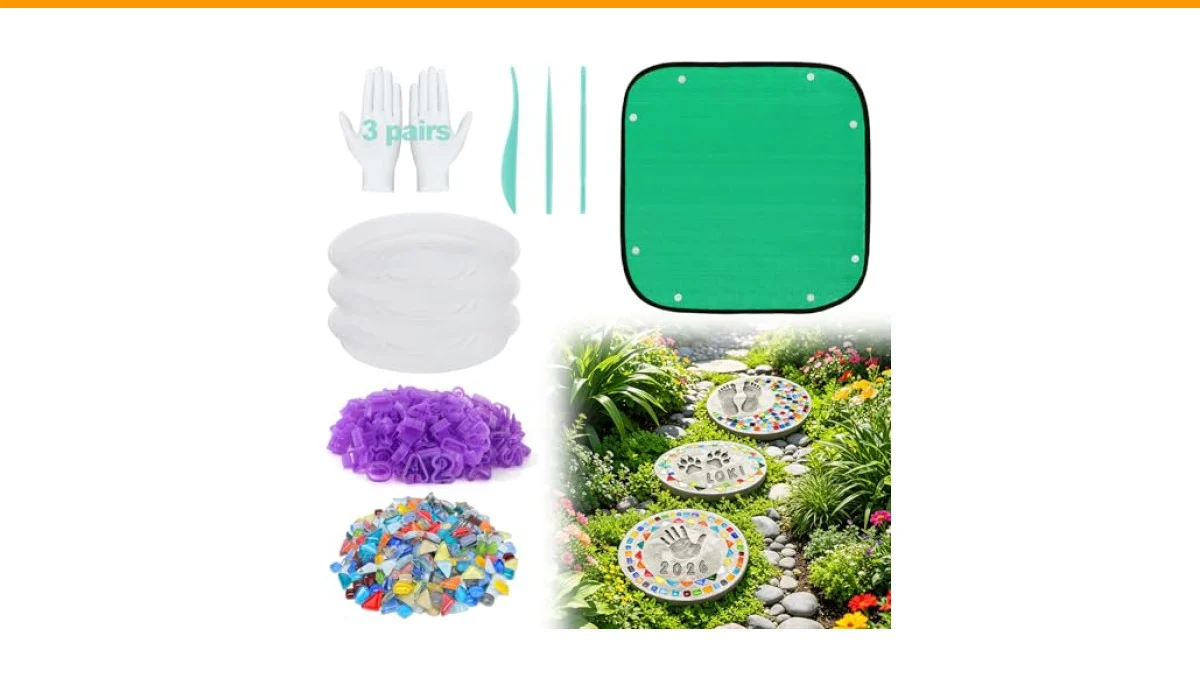
3 Sets 10in Stepping Garden Stones Kit for Kids Family DIY Craft Gifts | Includes Concrete Molds&Letter Stamps, Mosaics, Mat & All Need, Make Handprint Footprint Stepping Keepsake Stones Outdoor
- Complete Kit Excluding Cement: Unlike many kits that only provide a single-use mold and no decorations, our set includes 3 transpa…
- Capture Memories in Every Stone: Perfect for creating a personalized "Walkway of Memories" in your backyard. Use the included purp…
- Thoughtful Crafting Protection: We’ve solved the "messy cleanup" complaint by including a 19.6inx19.6in waterproof gardening mat a…
Popular Garden Path Layout Ideas
The layout of your garden path can significantly influence the overall aesthetic of your garden. Here are several popular ideas to consider:
1. Curved Paths
Curved paths create a sense of mystery and intrigue. Instead of a straight line, a gently winding path encourages exploration and can lead visitors through various garden features. For example, a 3-foot wide path made of gravel or stepping stones can enhance a naturalistic garden design. Such paths are visually pleasing and can integrate well with surrounding plants.
2. Straight Paths
For a more formal garden, straight paths can provide a neat and orderly look. These paths often feature materials like brick or concrete pavers laid in a symmetrical layout. A straight path works best in gardens with distinct sections, helping to delineate spaces such as a vegetable garden from ornamental flower beds.
3. Zigzag Paths
Zigzag paths can add a playful touch to any garden. This layout can be particularly effective in smaller spaces, maximizing the usable area while creating visual interest. Use materials like flagstone or wood for a rustic appeal. The angles can also help slow down foot traffic, allowing visitors to take in the beauty of the surroundings.
4. Mixed Material Paths
Combining different materials can create a unique look. For instance, integrating wood chips, stones, and pavers can add texture and contrast. This method allows for creative expression, as you can design a path that matches the surrounding garden elements. A mixed material path may require more planning but can yield stunning results.
DIY Stepping Stones for Personalization
Creating personalized stepping stones is a fantastic way to add character to your garden path. The 3 Sets 10in Stepping Garden Stones Kit by Biubee provides all the necessary tools to craft customized stones. This kit includes three molds, vibrant mosaic tiles, carving tools, and stamps for personal messages.
Using this kit is straightforward. Mix your cement, pour it into the molds, and decorate with tiles or engravings. It’s a fun activity for families and a way to embed memories in your garden. Consider capturing milestones like anniversaries or children’s handprints in stone.
Comparing Path Materials
| Material | Durability | Cost | Maintenance |
|---|---|---|---|
| Gravel | High | Low | Moderate |
| Brick | Medium | Medium | Low |
| Flagstone | High | High | Low |
| Concrete | Very High | Medium | Very Low |
| Wood Chips | Low | Low | High |
Common Questions About Garden Paths
What is the best material for a garden path?
The best material depends on your garden’s style, budget, and maintenance level. Gravel is cost-effective but may require regular upkeep. Brick offers a classic look with low maintenance.
How wide should a garden path be?
Paths should typically be 3 to 4 feet wide. This width allows for comfortable walking and the passage of garden equipment if necessary.
Can I create a garden path on a slope?
Yes, but consider adding steps or terracing to manage the slope effectively. This approach prevents erosion and provides safe access.
How do I maintain my garden path?
Maintenance varies by material. Gravel may need raking, while brick paths might require occasional weed control. Regular cleaning is essential for concrete paths to prevent staining.
Are garden paths expensive to install?
Costs vary widely based on materials and labor. A gravel path is generally the most affordable option, while stone or brick pathways can be more expensive due to material costs.
Final Thoughts on Garden Path Layout Ideas
- Consider your garden’s style when choosing a path layout.
- Curved paths add intrigue; straight paths offer formality.
- Mixing materials can create unique designs.
- Personalized stepping stones can enhance your path’s character.
- Plan for maintenance based on the materials you choose.
- Use resources like garden edging ideas for design inspiration.
- Explore lighting options to highlight your paths at night.