Living in a small space often means compromising on outdoor gardening options. However, the trend of vertical gardening offers a creative solution. Imagine transforming a dull wall or an empty balcony into a lush green paradise. Vertical garden design for small spaces allows you to cultivate plants in a compact area, maximizing your available space while adding beauty and freshness to your environment.
This article will provide you with actionable steps to create a vertical garden, explore various design options, and highlight a product that can enhance your gardening experience. You’ll walk away knowing how to effectively utilize vertical gardening techniques tailored to your space constraints.

VECELO
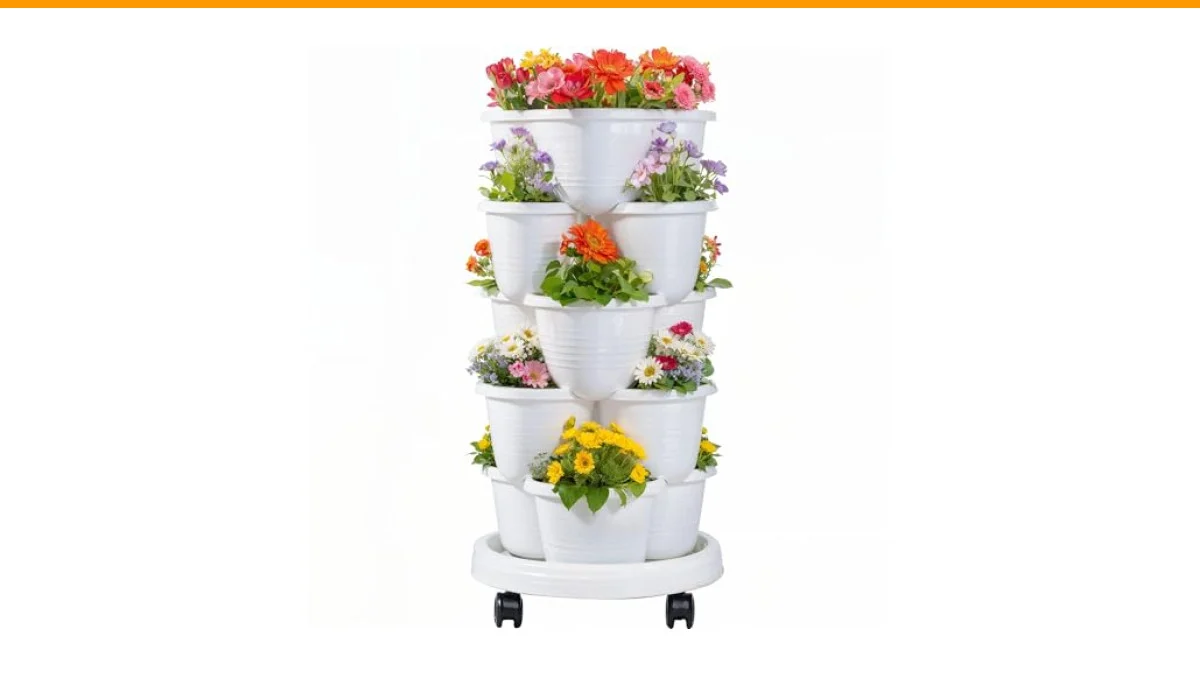
VECELO 5 Tier Vertical Garden Planter, Self Watering Stackable Planters with Wheels for Strawberries, Herbs, Flowers, Vegetables, White
- Space-Saving : This strawberry planter maximizes your gardening space by stacking 5 layers to grow more plants in a compact area.…
- Efficient Self-Draining: This vertical garden planter’s built-in drainage feature prevents waterlogging, keeping plants healthy by…
- Soil Moisture Retention: Designed to maintain ideal moisture levels, the vertical planter keeps soil hydrated longer, reducing the…
The VECELO 5 Tier Vertical Garden Planter is an excellent example of a product designed for such spaces. With five stackable layers, it helps you grow a variety of plants without taking up much ground space. Its self-watering feature ensures that your plants receive the right amount of moisture, making gardening easier.
Understanding Vertical Garden Design
Vertical gardens not only save space but also improve air quality and provide insulation. When designing a vertical garden, consider the following:
- Location: Select a spot that receives adequate sunlight, ideally 6-8 hours a day for most plants.
- Wall Structure: Ensure the wall can support the weight of the garden and is easily accessible for maintenance.
- Plant Selection: Choose plants that thrive in vertical settings, such as herbs, strawberries, or succulents.
- Watering System: Integrate a self-watering system or drip irrigation to simplify maintenance.
Pro tip: Start with easy-to-grow plants like herbs, as they adapt well to vertical gardening.
Types of Vertical Garden Structures
There are several structures you can use to create a vertical garden. Here are some popular options:
- Wall-Mounted Planters: These are containers attached directly to a wall. They can be simple pocket planters or elaborate designs.
- Stackable Planters: These units allow you to stack multiple tiers of plants, conserving floor space while maximizing growth area. The VECELO planter is a prime example.
- Trellises: Use trellises to support climbing plants. They can be made from wood, metal, or even repurposed materials.
- Gutter Gardens: Repurposed gutters can be mounted horizontally or vertically to create a unique planter system.
Each option has its advantages, so choose one based on your space, aesthetics, and maintenance preferences.
Planting Techniques for Vertical Gardens
When planting in a vertical garden, it’s essential to consider soil types, plant compatibility, and spacing:
- Soil: Use lightweight potting soil that retains moisture while allowing drainage. Consider adding perlite for aeration.
- Plant Compatibility: Group plants with similar water and light needs together. For instance, combine herbs that thrive in similar conditions.
- Spacing: Ensure plants are spaced correctly to avoid overcrowding. Generally, allow 6-12 inches between plants, depending on their growth habits.
Regularly check for pests and diseases. Early intervention can save your vertical garden.
| Vertical Garden Type | Pros | Cons |
|---|---|---|
| Wall-Mounted Planters | Space-efficient, decorative | Limited to lightweight plants |
| Stackable Planters | Easy to manage, versatile | Can be heavy when full |
| Trellises | Great for climbing plants | Requires more space |
| Gutter Gardens | Unique design, low cost | Limited to shallow-rooted plants |
Common Questions About Vertical Gardening
What are the best plants for a vertical garden?
Herbs like basil, mint, and parsley work well. Strawberries, succulents, and even small vegetables can thrive in vertical settings too.
How often should I water my vertical garden?
Watering frequency depends on the plant type and weather conditions. Generally, check the soil moisture level every few days, and adjust accordingly.
Can vertical gardens work indoors?
Yes, vertical gardens can thrive indoors with adequate light. Consider using grow lights if natural light is insufficient.
Do I need special soil for vertical gardening?
Using lightweight potting soil is recommended. Look for mixes that retain moisture without becoming waterlogged.
How can I prevent pests in my vertical garden?
Regularly inspect plants and maintain cleanliness. Use organic pest control methods, such as neem oil, to manage infestations.
Actionable Steps to Start Your Vertical Garden
- Identify a suitable location with adequate sunlight.
- Choose your vertical garden structure based on space and aesthetic preferences.
- Select plants that fit your light and water conditions.
- Prepare the soil and containers, ensuring proper drainage.
- Plant your selected plants, following spacing and compatibility guidelines.
- Monitor water and light conditions regularly for optimal growth.
- Maintain your garden by checking for pests and diseases.
Starting a vertical garden in a small space provides a rich gardening experience. It enhances your living area while allowing you to grow plants efficiently. With the right plan and tools, like the VECELO 5 Tier Vertical Garden Planter, you can create a thriving green space even in the most limited areas.