Imagine stepping into your garden and finding a burst of colors and fragrances throughout the growing season. Every week brings fresh blooms, creating a living tapestry that delights the senses. This scenario can be your reality with proper succession blooms garden planning. Understanding how to arrange your plants for continuous flowering not only enhances the beauty of your space but also optimizes your gardening efforts.
This article will guide you through the essentials of succession blooms garden planning. You’ll learn how to select the right plants, determine planting schedules, and make the most of your garden’s potential. Get ready to create a garden that’s vibrant and alive from spring through fall.

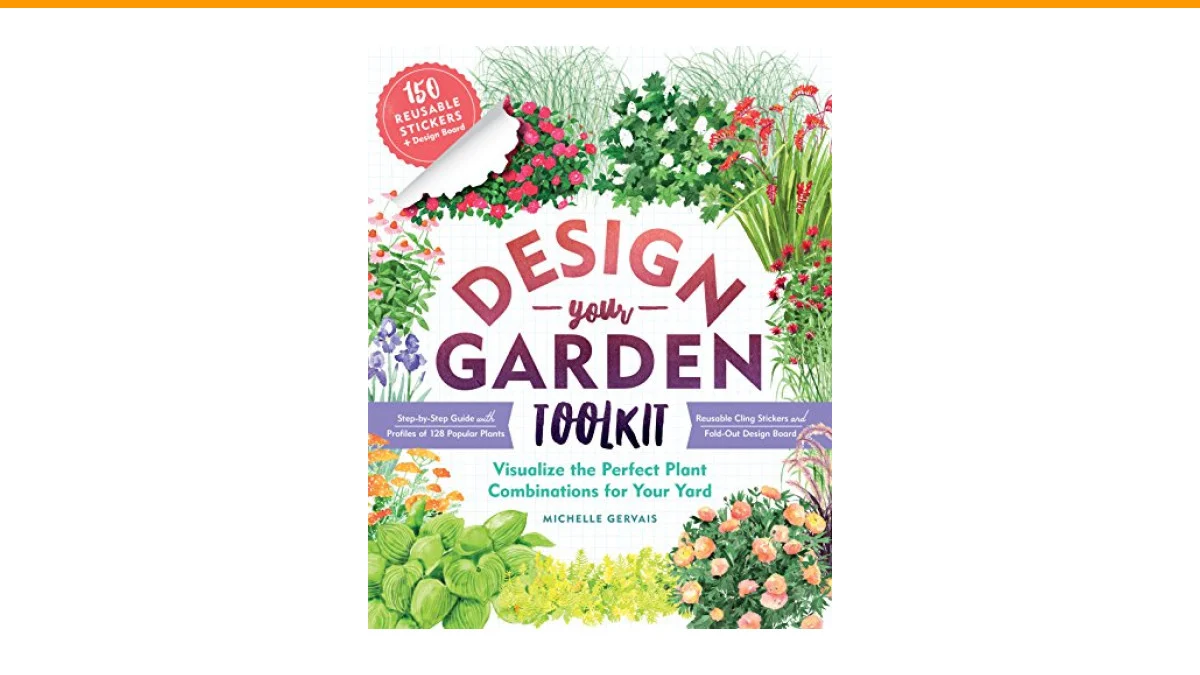
To help you visualize your garden design, consider the Design-Your-Garden Toolkit. This resource provides profiles of 128 popular plants and comes with reusable cling stickers, making it easier to plan your layout effectively.
Understanding Succession Planting
Succession planting involves staggered planting of flowers and plants to ensure continuous blooms throughout the season. This technique is particularly beneficial for maximizing garden space and extending the blooming period of various plants. Here are some key points:
- Timing: Different plants bloom at different times. Research your chosen flowers to plan for overlapping bloom times.
- Space Utilization: Use available space efficiently. When one plant finishes blooming, another can take its place.
- Seasonal Selection: Select a mix of early, mid, and late bloomers for a steady display.
For example, planting daffodils in early spring followed by peonies in late spring and then asters in fall ensures your garden is colorful from March through November.
Choosing the Right Plants
Your plant selection is crucial for successful succession blooms garden planning. Consider the following factors when selecting plants:
- Hardiness Zones: Make sure the plants you choose are suitable for your local climate. Check the USDA Plant Hardiness Zone Map.
- Light Requirements: Different plants thrive in varying light conditions. A sunny garden may allow for more vibrant bloomers, while shaded areas can support ferns and shade-loving flowers.
- Water Needs: Consider drought-tolerant plants for less maintenance and more sustainable gardening.
Some excellent options for succession planting include:
- Daffodils (early spring)
- Lavender (mid-summer)
- Chrysanthemums (fall)
Creating a Planting Schedule
A clear planting schedule will help you manage your garden effectively. Here’s a basic outline for creating one:
- Select Your Plants: Choose a mix of early, mid, and late bloomers.
- Map Your Garden: Use garden design tools or the Design-Your-Garden Toolkit to visualize your layout.
- Set Dates: Determine the best planting times based on local frost dates and plant needs.
- Monitor and Adjust: Keep a garden journal to track progress and make adjustments as needed.
For instance, if your last frost date is May 15, you might plant your early bloomers like daffodils in the fall, followed by mid-season blooms like peonies in mid-spring, and finish with late bloomers like asters in early summer.
Comparing Succession Planting Techniques
| Technique | Description | Best For |
|---|---|---|
| Staggered Planting | Planting the same species at different times | Continuous bloom of the same flower |
| Intercropping | Planting different species together | Diverse blooms and pest management |
| Relay Planting | Replacing mature plants with new ones | Maximizing space and yield |
What is succession planting?
Succession planting is a method of growing plants in intervals to ensure that blooms are produced continuously over a season. This technique keeps your garden vibrant and minimizes downtime between bloom periods.
How do I choose plants for succession blooms?
When selecting plants, consider hardiness zones, light requirements, and water needs. Choose a mix of early, mid, and late bloomers to maintain consistent color throughout the season.
How often should I plant for succession blooms?
The frequency of planting depends on the plants you choose. Some can be sown every few weeks, while others may require longer intervals. Follow specific guidelines for each plant and your local growing conditions.
Can I use seeds for succession planting?
Yes, seeds are excellent for succession planting. Plant them at intervals to ensure continuous blooms. Just make sure to select varieties that are suited to your growing conditions.
What are some common mistakes in succession planting?
Common mistakes include not researching bloom times, overcrowding plants, and neglecting varying light and water needs. Avoid these pitfalls to create a thriving garden.
Final Thoughts for Successful Garden Planning
- Research plants suitable for your climate and garden conditions.
- Plan your garden layout using visual tools like the Design-Your-Garden Toolkit.
- Stagger planting times for continuous blooms throughout the season.
- Maintain a garden journal to track progress and make necessary adjustments.
- Mix bloomers for diversity and to create a vibrant garden landscape.
- Consider using seeds for greater variety and cost-effectiveness.
- Avoid overcrowding to give each plant enough space to thrive.
With careful planning and thoughtful choices, your garden can transform into a flourishing display of color and fragrance, inviting you to enjoy the beauty of nature all season long.