Imagine stepping into a garden where vibrant colors dance together, textures complement each other, and layers of plants create a harmonious and inviting atmosphere. This scenario is not just a dream; it can be your reality with the right approach to layering plants in garden design. Layering not only adds depth and visual interest but also supports biodiversity and improves microclimates within your garden.
In this article, you’ll discover the principles of layering plants, practical techniques to implement, and how to choose the right plants for your design. Whether you’re redesigning an existing garden or starting from scratch, this knowledge will help you create a well-structured, aesthetically pleasing space.

SupKing
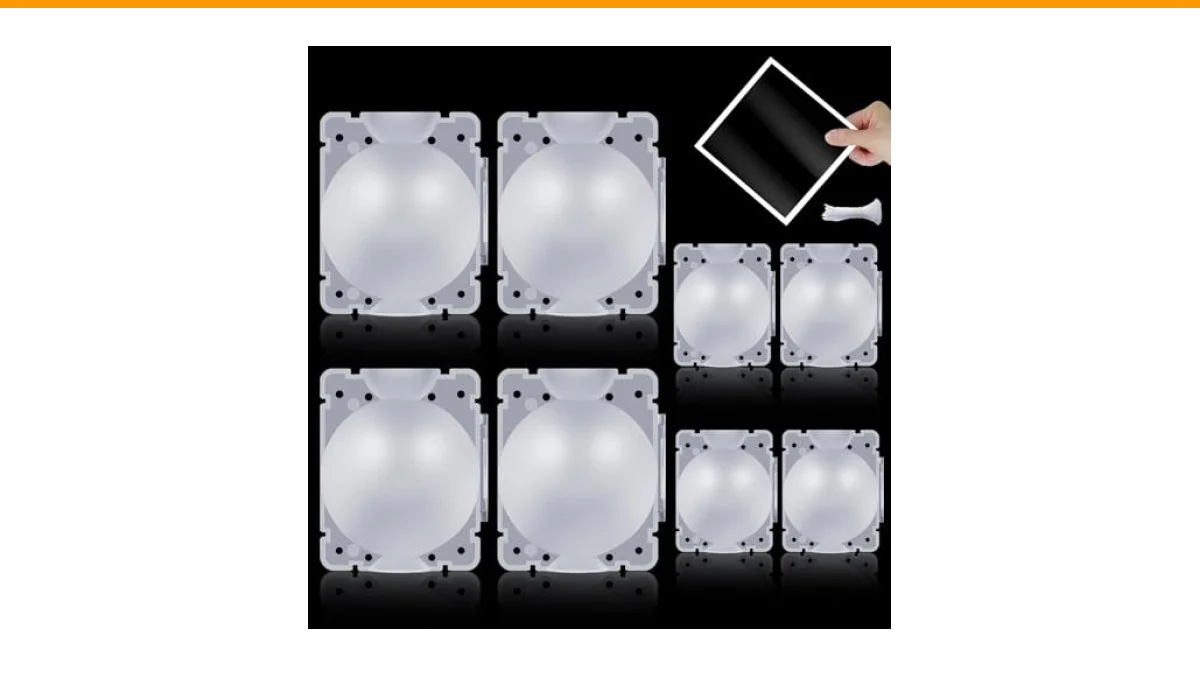
SupKing 8 Pcs Plant Rooting Grow Propagation Ball,Air Layering Kit,Clear Assisted Cutting Rooting,Reusable Plant Rooting Device,High Pressure Ball Grafting Device Root Box for Plants Rose.
- 【Super Value】— Including 8 packs of clear rooting balls (4 Small Size + 4 Medium Size ), 8 packs of Light-Shielding Film (4 Small…
- 【Innovative Light-Shielding Film】— Research shows that complete darkness significantly improves root growth and plant propagation…
- 【Convenient Observation & Optimal Root Growth Environment】— The SupKing transparent root ball combined with the Light-Shielding Fi…
For those looking to propagate plants effectively, consider using the SupKing 8 Pcs Plant Rooting Grow Propagation Ball. This innovative air layering kit allows for easy observation and optimal root growth, ensuring a healthy start for new plants.
The Principles of Plant Layering
Layering is based on a few fundamental principles that guide the arrangement of plants in a garden. These principles are:
- Height Variation: Utilize plants of different heights to create visual interest. Taller plants can form the backdrop, while medium and low-growing plants fill in the foreground.
- Texture Contrast: Mix plants with various leaf shapes and sizes. This contrast enhances the overall look and feel of the garden.
- Color Harmony: Select color palettes that complement each other. This could involve using a monochromatic scheme or contrasting colors to create excitement.
- Seasonal Interest: Choose plants that provide visual appeal throughout different seasons. This ensures your garden remains lively year-round.
Techniques for Layering Plants
Implementing effective layering techniques requires careful planning and consideration of your garden’s layout. Here are several strategies:
- Back-to-Front Arrangement: Place taller plants at the back of the garden bed, medium plants in the middle, and low-growing plants at the front. This arrangement allows every plant to receive adequate sunlight.
- Grouping Similar Plants: Cluster plants with similar needs together. This not only simplifies maintenance but also enhances the visual impact.
- Use of Focal Points: Incorporate a few standout plants or structures (like sculptures) to draw attention and create focal points within the layered design.
- Consider Plant Behavior: Some plants spread out more than others. Be mindful of the growth habits of your chosen plants to avoid overcrowding.
Choosing the Right Plants for Layering
Selecting appropriate plants is crucial for successful layering in garden design. Here are some considerations:
- Local Climate: Understand your local climate and choose plants that thrive in those conditions. Native plants often perform better and support local wildlife.
- Soil Conditions: Test your soil to determine its pH and nutrient levels. Choose plants that are suitable for your soil type.
- Water Needs: Group plants with similar water requirements to simplify irrigation and ensure all plants thrive.
- Growth Rates: Consider how quickly plants will grow. Some may take years to reach maturity, while others establish quickly.
Comparison of Layering Techniques
| Technique | Description | Best For |
|---|---|---|
| Back-to-Front | Tall plants in the back, shorter in front. | Small garden beds |
| Grouping | Cluster plants with similar needs. | Ease of maintenance |
| Focal Points | Highlight standout features in the design. | Creating interest |
| Behavior Awareness | Consider how plants grow and spread. | Avoid overcrowding |
What is the best way to layer plants in a garden?
The best way involves using a back-to-front arrangement, ensuring taller plants are placed at the back and shorter ones at the front. This approach maximizes sunlight exposure for all plants.
How do I choose plants for a layered garden?
Select plants based on your local climate, soil conditions, and water needs. Consider using native plants for better adaptability and support for local wildlife.
Can I layer plants of different heights?
Absolutely! Layering plants of varying heights creates depth and visual interest. Just be sure to position taller plants in the back.
How do I maintain a layered garden?
Regular maintenance includes watering, pruning, and monitoring for pests. Grouping plants with similar needs makes this easier.
What are some common mistakes in layering plants?
Common mistakes include overcrowding plants, ignoring growth habits, and neglecting seasonal interest. Careful planning can help avoid these issues.
Actionable Insights for Layering Plants
- Assess your garden’s light and soil conditions to select suitable plants.
- Plan your layout with height variation in mind.
- Group plants with similar water and sunlight requirements for easier maintenance.
- Incorporate a mix of textures and colors for visual appeal.
- Monitor growth rates to prevent overcrowding.
- Utilize focal points to draw attention and create interest.
- Consider seasonal dynamics to ensure year-round beauty.