Imagine stepping into a garden where symmetry reigns, and each plant and pathway is meticulously planned. This is the allure of formal garden design, a style that evokes a sense of order and elegance. Whether you’re aiming to host garden parties or simply enjoy a serene space, understanding formal garden design elements will enhance your outdoor sanctuary.
This article will provide a comprehensive overview of the core components of formal gardens, guiding you in creating a space that reflects sophistication and timeless beauty. You’ll learn about essential features such as symmetry, geometry, and specific plant selections that can elevate your landscape.

Mr. Pen
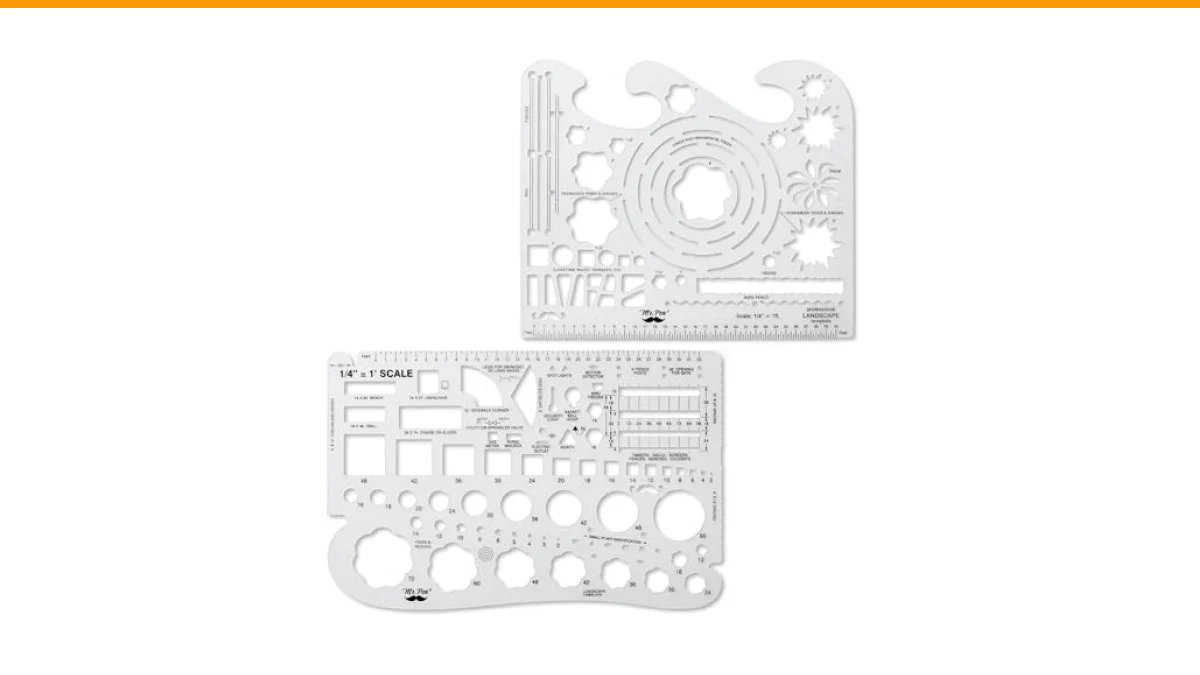
Mr. Pen- Landscape Templates, Architectural Templates, Drafting Tools | Landscaping Tools, Landscape Design Template, Drafting Ruler Shapes, Drawing Stencils
- 2 Pc Landscape And Yard Design Template Set Uniquely Designed With Exceptional Accuracy
- Scale: 1/4 Inch = 1 Ft
- Made From Flexible, Yet Sturdy Material
For those looking to visualize their designs, tools like the Mr. Pen Landscape Templates can be invaluable. These drafting tools are designed for precise layouts, helping architects and gardeners alike sketch out their ideas accurately.
Core Elements of Formal Garden Design
Formal gardens are characterized by specific elements that create a structured and harmonious environment. Here are the key components to consider:
1. Symmetry
Symmetry is foundational in formal garden design. This principle creates balance, often achieved through mirroring features on either side of a central axis. For example, two identical hedges framing a pathway can guide the eye and create a sense of order. Symmetry can be applied in various forms:
- Bilateral Symmetry: Both sides of the garden mirror each other.
- Radial Symmetry: Elements radiate from a central point, such as a circular fountain.
A good rule of thumb is to maintain consistent spacing and height for plants and structures to enhance the symmetrical appearance.
2. Geometry
The use of geometric shapes is another hallmark of formal gardens. Paths, beds, and plantings often take on rectilinear or circular forms. Consider incorporating:
- Boxed Edges: Rectangular or square flower beds can define areas within the garden.
- Circular Patterns: Round flower beds or circular seating areas can serve as focal points.
Geometric design not only adds visual interest but also emphasizes the garden’s orderly nature.
3. Focal Points
A focal point draws attention and can be a stunning feature like a statue or a beautifully shaped tree. Position these elements strategically at the end of pathways or at intersections to guide movement and capture interest. Common focal points include:
- Water features such as fountains or ponds.
- Architectural elements like pergolas or gazebos.
- Unique plants or topiaries that stand out within the garden layout.
4. Plant Selection and Arrangement
Choosing the right plants is crucial. Formal gardens typically favor evergreen plants and well-defined flower beds. Consider the following:
- Evergreens: They provide structure and year-round interest.
- Perennials: Select perennials that bloom in succession to maintain color throughout the seasons.
- Topiary: Shaped shrubs can serve as living sculptures, enhancing the formal aesthetic.
Arranging plants in clusters or rows will reinforce the garden’s geometry and symmetry.
Comparative Overview of Formal Garden Design Elements
| Element | Description | Benefits |
|---|---|---|
| Symmetry | Balanced arrangement of plants and features | Creates visual harmony and order |
| Geometry | Use of shapes like squares and circles | Enhances structure and clarity in design |
| Focal Points | Key features that draw the eye | Guides movement and creates interest |
| Plant Selection | Choice of structured and defined plants | Ensures year-round beauty and consistency |
Common Questions About Formal Garden Design Elements
What is the main characteristic of a formal garden?
The main characteristic is symmetry, which creates a balanced and harmonious layout. Formal gardens often have a clear structure and linear paths that lead the eye through the space.
How do I choose plants for a formal garden?
Select plants that offer a well-defined shape and structure, such as evergreens and perennials. Pay attention to plant height and spacing to maintain the geometric layout.
Can formal gardens work in small spaces?
Yes, formal gardens can be designed in small spaces by using vertical elements and compact plantings. Focus on creating a strong focal point and maintaining symmetry to give the illusion of space.
What types of pathways are best for formal gardens?
Hardscaped pathways made from stone, brick, or gravel are ideal. They should have clean lines and connect different areas of the garden while enhancing the overall geometry.
How can I add color to a formal garden?
Incorporate seasonal blooms within structured beds or use colored foliage plants. Choosing perennials that bloom at different times can provide ongoing color throughout the year.
Final Thoughts on Formal Garden Design Elements
- Prioritize symmetry and geometry for a balanced layout.
- Incorporate focal points to enhance visual interest.
- Select plants that fit the formal style, focusing on structure.
- Design pathways that complement the garden’s geometry.
- Remember that maintenance is key to preserving the formal appearance.
- Consider tools like landscape templates to visualize your designs effectively.
- Explore various resources for inspiration to refine your garden’s design.