Creating a Garden Plan: The Essentials
Starting a garden can feel overwhelming. You might find yourself staring at a blank patch of earth, unsure of where to begin. Or, you may have tried planting before, only to be disappointed by the results. A solid garden plan can change that. With the right strategy, you’ll know exactly what to plant, where to plant it, and when to expect bountiful harvests.
This article will guide you through the process of creating an effective garden plan. You’ll learn about evaluating your space, selecting the right plants, and using tools that can simplify your gardening experience. By the end, you’ll feel confident in your ability to design a garden that thrives.

CraftSaints
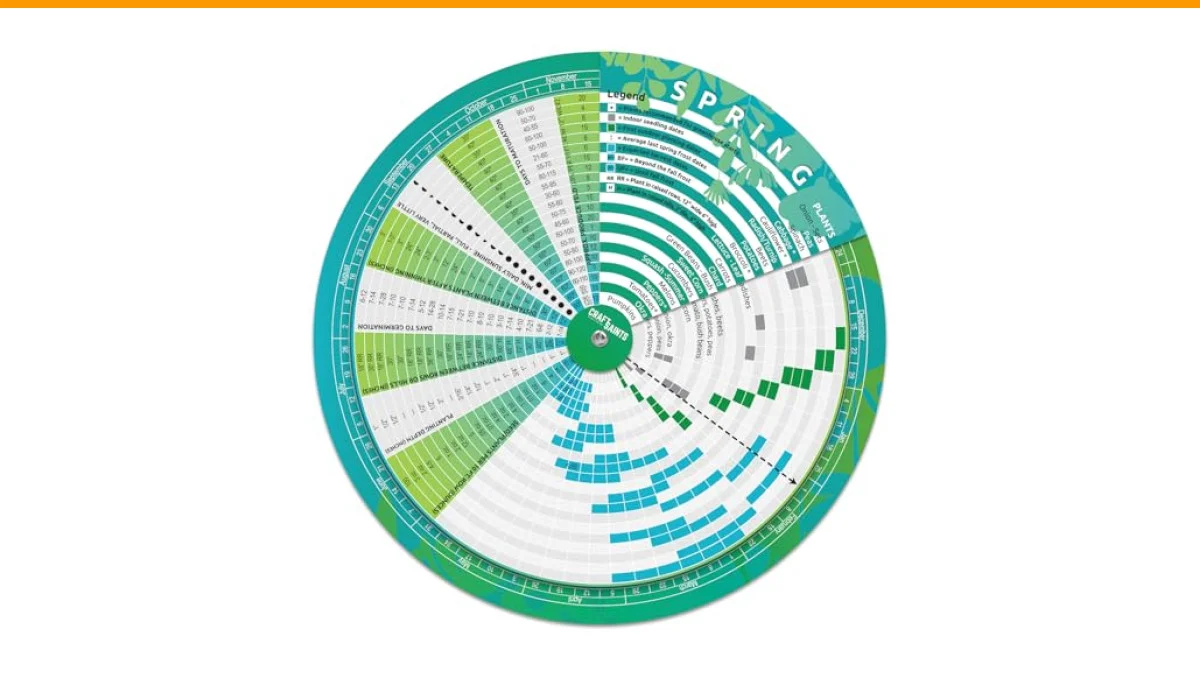
CraftSaints Garden Planner, Vegetable Planting Chart Wheel, Perpetual Outdoor & Indoor & Greenhouse Plant Care Guide, Homestead Planting Almanac, Essential Accessory for Gardeners & Farmers
- EASY TO USE & UNDERSTAND - Simplify your garden with our easy-to-use wheel-based vegetable garden planner! Determine seeds needed,…
- DURABLE - Plan for both spring and fall! Our durable, splash-proof cardboard wheel offers a comprehensive guide for every season.…
- PLANT WITH PRECISION - Achieve perfect layouts with recommendations for the distance between rows, hills, and post-thinning plant…
A valuable tool that can assist you in this process is the CraftSaints Garden Planner. This planner features a vegetable planting chart wheel that simplifies the entire planning process. From determining planting depth to understanding optimal spacing, it serves as an essential reference for both novice and experienced gardeners.
Step 1: Assess Your Garden Space
<pBefore you can create a garden plan, assess your available space. Here are some factors to consider:
- Size: Measure the area you want to plant. Knowing dimensions in square feet helps determine how many plants you can fit.
- Sunlight: Observe how many hours of sunlight your garden receives daily. Most vegetables need at least 6-8 hours of direct sunlight.
- Soil Quality: Test your soil for pH, texture, and nutrient levels. You might need to amend the soil based on what you wish to grow.
- Water Access: Ensure there’s a nearby water source for easy irrigation.
Taking these factors into account lays the foundation for a successful garden.
Step 2: Choose Your Plants
<pOnce you have a clear understanding of your space, it’s time to select your plants. Consider the following:
- Climate Zone: Research your USDA hardiness zone to determine which plants will thrive in your area.
- Growing Season: Identify your local frost dates. For example, if your last frost date is May 15, plan to sow seeds that can be planted after this date.
- Planting Preferences: Decide if you want to grow vegetables, herbs, or flowers. Choose varieties that complement each other, such as tomatoes and basil.
- Space Requirements: Use the CraftSaints Garden Planner to determine specific spacing for each plant type, ensuring they have enough room to grow.
Step 3: Design Your Garden Layout
<pCreating a garden layout involves placing your chosen plants in a way that promotes growth and accessibility. Here are some strategies:
- Row Planting: Ideal for traditional gardens. Space rows 24-36 inches apart, depending on the type of plants.
- Square Foot Gardening: Divide your garden into square sections, planting one type of vegetable per square for easier organization.
- Companion Planting: Group plants that benefit each other together. For instance, marigolds repel pests while attracting beneficial insects.
- Vertical Gardening: Use trellises or cages for vining plants to save space.
Sketch your layout on paper, considering access paths for maintenance and harvesting.
Step 4: Plan for Maintenance
<pA garden requires ongoing care. Factor in the following tasks:
- Irrigation: Plan how you will water your garden. Consider a drip irrigation system for efficiency.
- Weeding: Regularly check for weeds. Mulching can help suppress weed growth.
- Pest Control: Use integrated pest management strategies to keep your plants healthy.
- Harvesting: Schedule times for harvesting, so you don’t miss peak ripeness.
Comparison of Gardening Methods
| Method | Pros | Cons |
|---|---|---|
| Row Planting | Easy to manage, good for large crops | Takes up more space, harder to access |
| Square Foot Gardening | Maximizes space, very organized | Requires more upfront planning |
| Companion Planting | Improves growth and pest control | Can be complicated to plan |
| Vertical Gardening | Great for limited space, increases yield | Requires additional support structures |
What is the best way to start a garden plan?
Begin by assessing your available space, including sunlight, soil quality, and water access. Then, select the plants that fit your climate and preferences. Finally, sketch a layout that maximizes your garden’s potential.
How much sunlight do plants need?
Most vegetables require 6-8 hours of sunlight daily. Monitor your garden area to determine how much light it receives.
What tools do I need for gardening?
Essential gardening tools include a spade, trowel, rake, and watering can. Additionally, consider using the CraftSaints Garden Planner for efficient planning.
How often should I water my garden?
Water your garden based on the needs of your plants and the climate. Generally, aim for 1-2 inches of water per week, either from rainfall or irrigation.
When should I plant my seeds?
Refer to your local frost dates to determine the best planting times. Many seeds can be sown after the last frost, typically in the spring.
Practical Takeaways for Your Garden Planning
- Assess your garden space for size, sunlight, and soil quality.
- Choose plants that fit your climate zone and growing season.
- Design a layout that promotes growth and accessibility.
- Factor in maintenance tasks like watering and weeding.
- Utilize tools like the CraftSaints Garden Planner for efficient plant management.
- Research companion planting to boost your garden’s health.
- Be prepared to adapt your plan based on seasonal changes and plant performance.