
Gardening can be a rewarding hobby, but it often comes with its challenges. One of the most frustrating problems for gardeners is dealing with caterpillars that munch their way through precious plants. Whether you’re nurturing a vegetable patch or maintaining ornamental gardens, these pests can wreak havoc on your hard work. Fortunately, effective solutions exist, and one of the most recognized options is the use of BT spray for caterpillar control.
This article will guide you through understanding BT spray, its active ingredient, and how to apply it effectively. You’ll also learn about a specific product, Bonide Captain Jack’s Bacillus Thuringiensis BT, which is ready to use and ideal for various plants from vegetables to ornamental trees.

Bonide
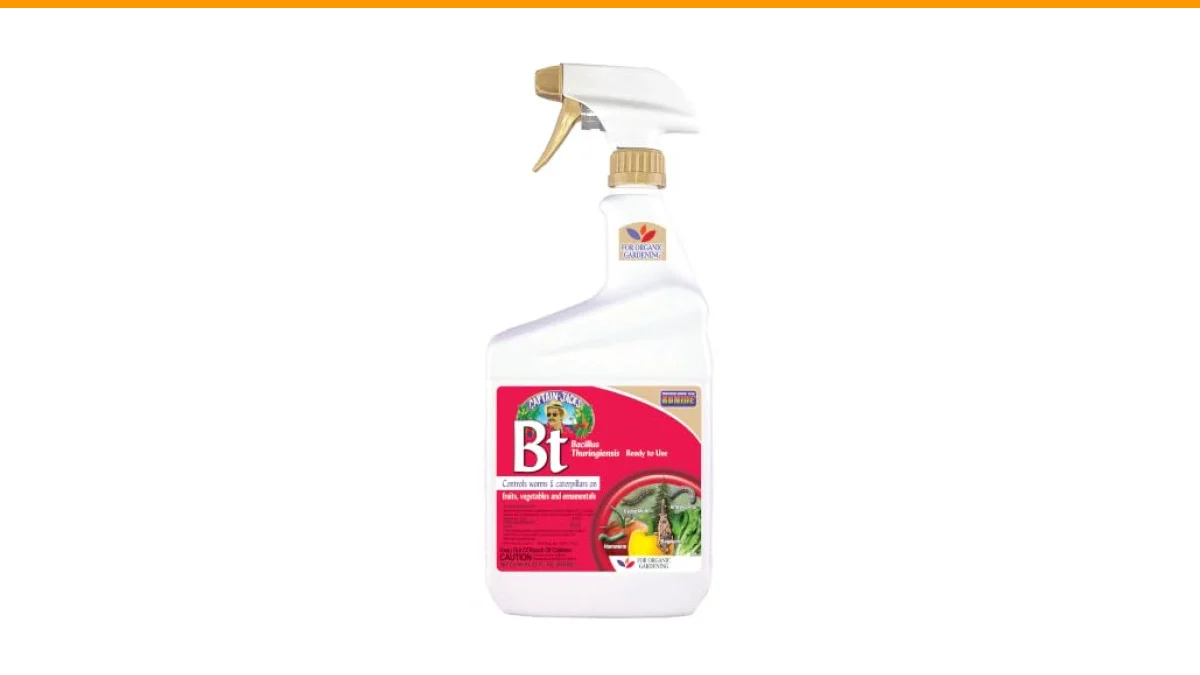
Bonide Captain Jack's Bacillus Thuringiensis BT, 32 oz | Ready-to-Use Spray, Worm & Caterpillar Control, For Organic Gardening
- Protect your oasis with Captain Jack's Bt Thuricide Ready-to-Use Spray; this product controls cabbage looper, hornworms, tent cate…
- Protects fruits, vegetables, shade trees and ornamentals; designed for use on broccoli, cauliflower, kale, mustard greens, eggplan…
- Kills worms and caterpillar stage insects while causing no harm to birds, earthworms, or beneficial insects, such as honeybees and…
Understanding BT Spray and Its Benefits
BT spray refers to a pesticide made from the bacterium Bacillus thuringiensis (BT), a natural organism that targets specific pests, primarily caterpillars. This bacterium produces a protein toxic to certain insects but is safe for humans, pets, and beneficial insects like bees and ladybugs. When caterpillars ingest BT, the toxins attack their gut, leading to cessation of feeding within hours and eventual death within a few days.
One of the strongest advantages of using BT spray is its organic certification, making it an excellent choice for organic gardeners. It doesn’t persist in the environment, breaking down quickly and having minimal impact on non-target species.
How to Apply BT Spray Effectively
Applying BT spray properly is vital for optimal results. Here’s a step-by-step approach:
- Identify the Problem: Monitor your plants closely for signs of caterpillar activity, such as chewed leaves or the presence of the pests themselves.
- Choose the Right Product: A reliable option is Bonide Captain Jack’s Bacillus Thuringiensis BT. This product is convenient, arriving in a trigger sprayer bottle for easy application.
- Timing is Key: Apply BT spray in the early morning or late afternoon when temperatures are cooler, as this helps prevent evaporation and ensures better adherence to the leaves.
- Thorough Application: Spray the affected plants thoroughly, ensuring coverage on both the upper and lower leaf surfaces. Caterpillars often hide on the underside of leaves.
- Reapply as Necessary: If caterpillars persist, reapply every 5-7 days or after significant rainfall. Always follow the instructions on the product label for best results.
Pro tip: Caterpillars are most susceptible to BT when young. Regular monitoring can help you catch infestations early.
Comparing BT Spray with Other Pest Control Methods
| Method | Effectiveness | Impact on Beneficial Insects | Duration of Effect |
|---|---|---|---|
| BT Spray | Highly effective on caterpillars | Minimal, targets only caterpillars | 2-3 days after ingestion |
| Chemical Insecticides | Broad-spectrum effectiveness | Can harm beneficial insects | Varies, often longer-lasting |
| Neem Oil | Moderately effective, repels pests | Low impact, but still harmful if misapplied | 1-2 weeks |
| Handpicking | Very effective for small infestations | No impact | N/A |
Frequently Asked Questions
1. How does BT spray work?
BT spray contains a bacterium that releases toxins when ingested by caterpillars. This affects their digestive system, leading to death within a few days.
2. Is BT spray safe for all plants?
Yes, BT spray is safe for a wide variety of plants, including fruits, vegetables, and ornamentals. Always check the product label for specific recommendations.
3. How often should I apply BT spray?
Reapply BT spray every 5-7 days or after heavy rain to maintain effectiveness, particularly during active caterpillar feeding periods.
4. Can BT spray harm beneficial insects?
No, BT specifically targets caterpillars and has minimal impact on beneficial insects like bees and ladybugs, making it a safe choice for organic gardening.
5. What should I do if BT spray doesn’t work?
If BT spray doesn’t seem effective, consider re-evaluating the timing of your application or the caterpillar species. For severe infestations, you might need to explore additional pest control strategies.
Final Thoughts on Using BT Spray for Caterpillar Control
- BT spray is a natural, effective method for controlling caterpillars.
- Choose the right product, such as Bonide Captain Jack’s Bacillus Thuringiensis BT.
- Monitor plants regularly to catch infestations early.
- Apply thoroughly to both sides of leaves for maximum effectiveness.
- Reapply as necessary, especially after rain.
- Combine with other methods like handpicking for best results.
- Stay informed about the types of caterpillars you’re dealing with for targeted control.
Arming yourself with knowledge and the right tools will help protect your garden from caterpillar damage effectively. For further information about gardening techniques, check out watering techniques and other resources.

