

How to Extend the Growing Season
Contents
As the seasons change, many gardeners find themselves facing the inevitable frost that signals the end of their growing season. This can be disheartening, especially after the hard work put into nurturing plants throughout the warmer months. However, with a few practical strategies, you can extend your growing season and keep your plants thriving well into the fall and even winter months.
This article will guide you through various techniques to prolong your gardening efforts, including using greenhouses, row covers, and other season-extension tools. You’ll walk away with actionable steps to keep your harvest going longer, ensuring you enjoy fresh produce and beautiful blooms long after the last frost.

Pure Garden
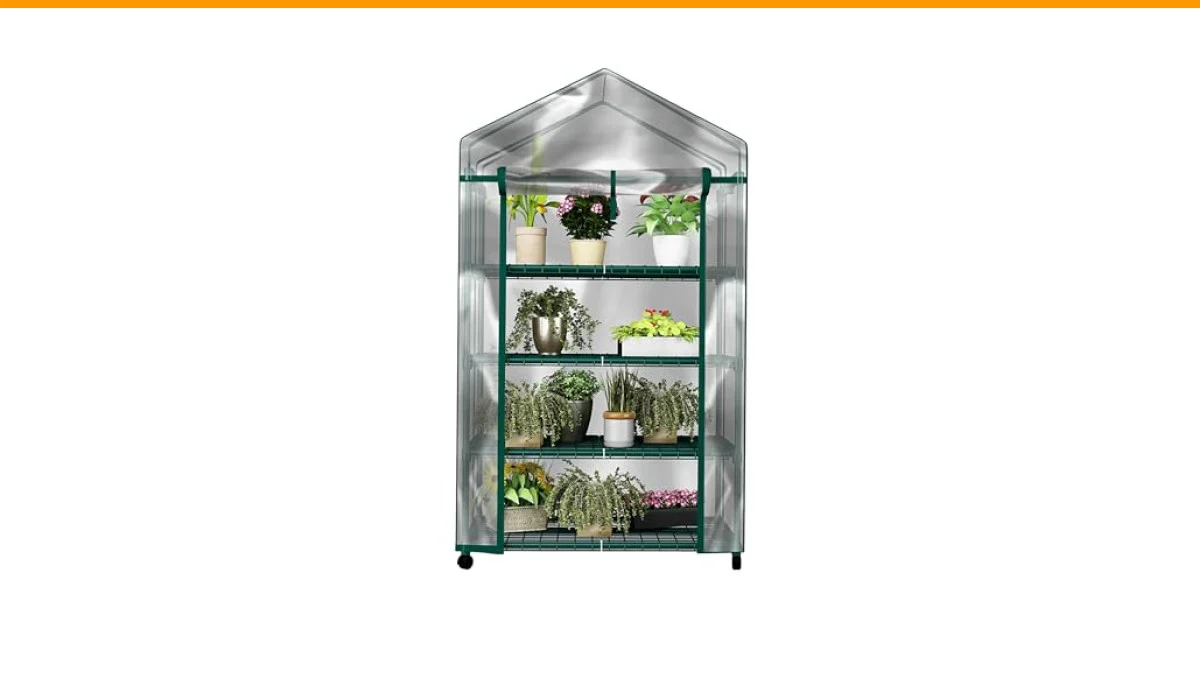
4 Tier Mini Greenhouse - Portable Greenhouse with Locking Wheels and PVC Cover for Indoor or Outdoor Green House by Pure Garden
- 4-TIER GREENHOUSE KIT - The 4 tiers of sturdy shelving in this small greenhouse are 27-inches-wide, have 14-inches of height spaci…
- INDOOR OR OUTDOOR - The portable greenhouse is ideal for both indoor and outdoor use on your porch, patio, deck, or sunroom. The P…
- PORTABLE DESIGN - Equipped with locking wheels, this indoor greenhouse can easily be moved from room to room or fixed in place by…
One effective solution for extending the growing season is the 4 Tier Mini Greenhouse by Pure Garden. This portable greenhouse is designed for both indoor and outdoor use, making it a versatile addition to your gardening toolkit. With sturdy shelving and a protective cover, it creates an ideal environment for growing herbs, vegetables, and even delicate flowers.
1. Utilize Greenhouses for Season Extension
Greenhouses are one of the most effective ways to extend your growing season. They provide a controlled environment that can protect plants from frost and pests. Whether you opt for a large structure or a smaller, portable greenhouse like the 4 Tier Mini Greenhouse, these structures allow you to start your plants earlier in the spring and keep them growing later in the fall.
For example, a greenhouse can raise the temperature around your plants by several degrees, allowing you to grow heat-loving crops such as tomatoes and peppers well into the cooler months. A mini greenhouse is particularly useful for gardeners with limited space, offering a compact solution for extending your growing season without the need for a large yard.
2. Implement Row Covers and Cloches
Row covers and cloches are simple yet effective tools for protecting plants from cold temperatures. They are typically made from lightweight fabric or plastic and can be placed over plants to trap heat and shield them from frost. Row covers can be set up over entire garden beds, while cloches can be used for individual plants.
For instance, using a row cover can add 2-4 degrees Fahrenheit of warmth, which can make a significant difference for tender crops. Consider installing these covers when frost is forecasted, especially during critical growth stages, such as flowering or fruiting.
3. Optimize Soil Temperature and Quality
Soil temperature plays a vital role in plant growth. Warmer soil promotes faster root development and can help extend the growing season. One way to warm the soil is by using black plastic mulch, which absorbs heat from the sun. This method not only warms the soil but also reduces weeds and retains moisture.
Additionally, improving soil quality with organic matter such as compost can enhance nutrient availability and overall plant health. When the soil is rich and well-drained, plants can withstand cooler temperatures better, allowing you to push the boundaries of your growing season.
4. Choose Cold-Hardy Plant Varieties
Selecting the right plant varieties is crucial for extending your growing season. Cold-hardy crops, such as kale, spinach, and certain varieties of carrots, thrive in cooler temperatures. These plants can often withstand light frosts and continue to grow when other plants might fail. They can be planted in late summer for a fall harvest or even sown in early spring for a summer crop.
Consider creating a list of cold-hardy plants that grow well in your region and prioritize them in your garden planning. This strategy can significantly enhance your ability to extend the growing season.
| Method | Description | Pros | Cons |
|---|---|---|---|
| Greenhouses | Controlled environment for growing plants year-round. | Temperature regulation, pest protection. | Higher initial investment, requires space. |
| Row Covers | Lightweight fabric that traps heat. | Affordable, easy to set up. | Limited durability, may need replacement. |
| Soil Warming | Using plastic mulch to increase soil temperature. | Enhances growth, reduces weeds. | Requires monitoring and installation. |
| Cold-Hardy Varieties | Plants that thrive in cooler temperatures. | Resilient in frosty conditions. | Limited selection compared to warm-season crops. |
What is the best way to extend the growing season?
The best method varies by gardener, but using greenhouses or row covers generally offers effective ways to protect plants from frost and extend growth. Combining methods like soil warming and selecting cold-hardy varieties can also optimize results.
How much longer can I grow with a greenhouse?
With a greenhouse, you can potentially extend your growing season by several weeks or even months, depending on your location and the types of crops you are growing.
Are there specific crops that are better for extending the growing season?
Yes, crops like kale, spinach, and certain root vegetables are especially cold-hardy and can be planted late in the season or early in the spring for extended harvests.
Can I use a mini greenhouse for indoor plants?
Absolutely! A mini greenhouse is perfect for indoor plants, offering protection and a controlled environment that promotes healthy growth.
What’s the easiest way to warm soil for early planting?
Using black plastic mulch is one of the easiest methods. It warms the soil quickly and helps keep it moist while reducing weed growth.
Action Steps to Extend Your Growing Season
- Invest in a portable greenhouse for flexibility.
- Start using row covers as soon as temperatures drop.
- Enhance soil quality with compost and mulch.
- Select a variety of cold-hardy crops for late planting.
- Monitor local frost dates to time planting correctly.
- Consider using heat mats for seedlings.
- Keep records of your planting success to improve each year.
Extending your growing season is not just about the tools you use but also about understanding the specific needs of your plants. Combining techniques and making informed decisions will lead to a more fruitful gardening experience.


