Imagine stepping outside on a brisk winter morning to find fresh greens thriving in your garden. For many gardeners, this scenario seems almost impossible. However, using cold frames can change that reality. Cold frames act as mini-greenhouses, shielding delicate plants from harsh winter elements while allowing sunlight in. With the right knowledge, you can enjoy an extended harvest season well into the colder months.
This article delves into the best cold frame vegetables for winter, how to care for them, and practical tips for maximizing your yields. By the end, you’ll have a solid understanding of what to plant and how to ensure a successful winter garden.

GIANTEX
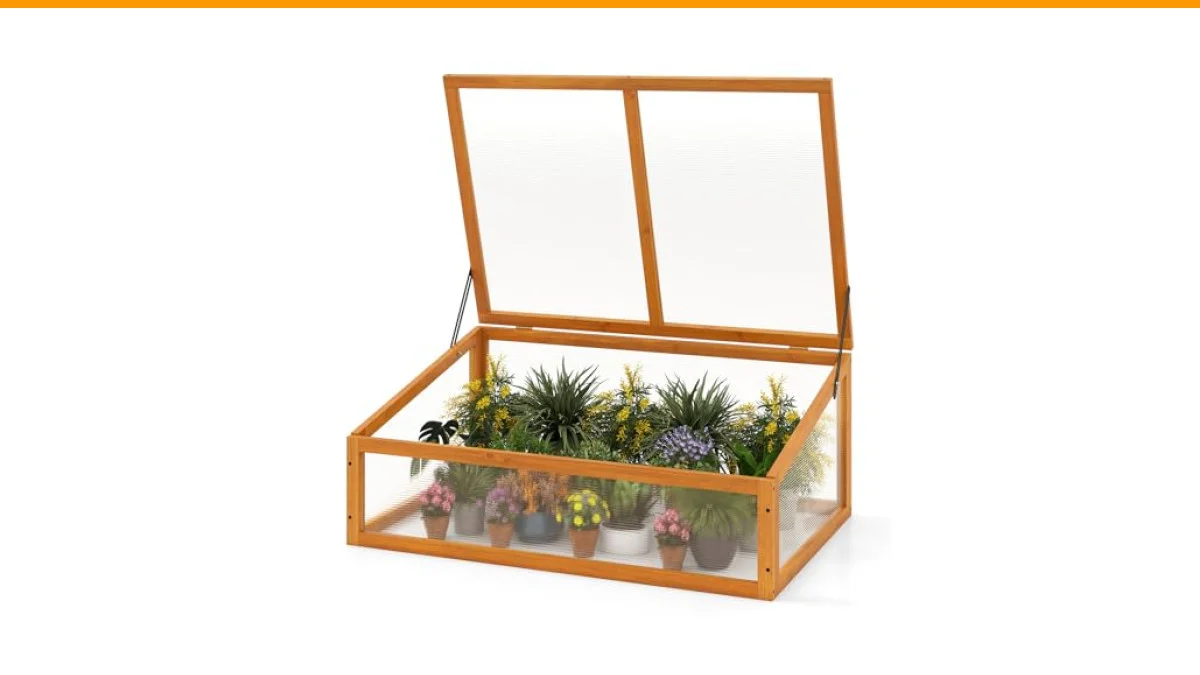
Giantex Wood Cold Frame Greenhouse, Portable Raised Planter Bed Protection with Transparent Flip-top Roof, Small Indoor Outdoor Hot House for Garden Sunroom Balcony, 37”x25”x16”
- [Extend the Growing Season]: Protect emerging seedlings from chilly spring or fall temperatures with the cold frame greenhouse, al…
- [Premium Light Protection]: Featuring crystal-clear panels, the mini hot house delivers excellent insulation for sensitive sprouts…
- [Adjustable Roof for Effortless Access]: The easily adjustable roof hold securely by sturdy bolts, which grants hassle-free access…
For those looking to get started, consider the Giantex Wood Cold Frame Greenhouse. This portable greenhouse features a transparent flip-top roof, allowing easy access while providing excellent light protection for your plants. It’s a practical solution for extending your growing season and giving your seedlings a head start.
Choosing the Right Vegetables for Your Cold Frame
When selecting vegetables for a cold frame, consider hardiness and growth rate. Some vegetables thrive in cooler temperatures, while others may struggle. Here are some excellent choices:
- Leafy Greens: Spinach, lettuce, and Swiss chard are particularly hardy. They can tolerate frost and often taste sweeter after exposure to cold.
- Root Vegetables: Carrots, beets, and parsnips can be sown in late summer or early fall. They are resilient and can be harvested throughout winter.
- Brassicas: Broccoli, kale, and cabbage are also good options. They can withstand cold temperatures and will continue to grow slowly.
- Herbs: Certain herbs like cilantro and parsley can survive winter in a cold frame, providing fresh flavor for your dishes.
Each of these vegetables has different requirements for light, temperature, and water. It’s vital to understand these needs to optimize growth during the winter months.
Optimal Conditions for Growth
For cold frame vegetables to thrive, maintaining the right conditions is crucial. Here are some key factors to monitor:
- Temperature: Cold frames can raise temperatures by 10-15°F compared to the outside. During sunny days, open the lid to prevent overheating. On cloudy days, close it to retain warmth.
- Humidity: Maintaining humidity is essential for preventing diseases. Ventilation is important; consider adding small vents if humidity levels rise too high.
- Soil Quality: Use well-draining soil enriched with organic matter. A good mix of compost can enhance nutrient availability and promote healthy growth.
- Light Exposure: Position your cold frame to receive maximum sunlight. South-facing frames will benefit most from winter sun.
Monitoring these conditions closely can help you achieve the best results with your winter crops.
Cold Frame Maintenance Tips
<pKeeping your cold frame in good condition is essential for the health of your plants. Here are several maintenance tips:
- Regular Checks: Inspect your plants frequently. Look for signs of pests or disease and remove affected plants immediately.
- Watering: Water the soil when it feels dry to the touch. Avoid overwatering, as it can lead to root rot.
- Snow Removal: If snow accumulates on the frame, gently brush it off to prevent damage and allow sunlight to penetrate.
- Seasonal Adjustments: As temperatures change, adjust the roof’s position for optimal airflow and light exposure.
These practices can significantly enhance the success of your cold frame garden.
| Vegetable | Optimal Temperature Range (°F) | Days to Maturity |
|---|---|---|
| Spinach | 25-60 | 40-50 |
| Kale | 20-70 | 50-70 |
| Carrots | 20-75 | 70-80 |
| Lettuce | 30-70 | 30-60 |
This table summarizes the optimal growing conditions for some popular cold frame vegetables.
What is the best time to plant vegetables in a cold frame?
For winter crops, you should plant cold frame vegetables in late summer to early fall. This timing allows seedlings to establish before the harsh winter weather arrives.
How do I maintain temperature in a cold frame?
Monitor temperatures daily, opening the lid during sunny periods to prevent overheating and closing it during the night to retain warmth.
Can I grow all vegetables in a cold frame?
Not all vegetables thrive in cold frames. Stick to hardy varieties that can tolerate cooler temperatures for best results.
How much sunlight do cold frame vegetables need?
Cold frame vegetables typically need 6-8 hours of sunlight daily. Position your cold frame to maximize exposure to sunlight.
Are cold frames suitable for all regions?
Cold frames are versatile and can be used in many regions. However, areas with extreme cold may require additional insulation for optimal results.
Final Thoughts for Successful Winter Gardening
- Choose hardy vegetables suitable for colder temperatures.
- Monitor temperature and humidity levels regularly.
- Maintain good soil quality with ample organic matter.
- Inspect plants frequently for signs of pests or disease.
- Position the cold frame for maximum sunlight exposure.
- Be prepared to adjust the cold frame conditions as needed.
- Consider investing in a portable cold frame like the Giantex Wood Cold Frame Greenhouse for ease of use.
With these strategies, you can enjoy a bountiful harvest of cold frame vegetables throughout winter. Happy gardening!