Introduction
After a long season of nurturing your vegetable garden, the satisfaction of a bountiful harvest is unmatched. The thrill of picking fresh tomatoes, crisp cucumbers, and vibrant peppers can quickly lead to a surplus that may leave you wondering how to preserve vegetable garden harvest effectively. What do you do with all those extra vegetables? You want to avoid waste while maximizing the flavors and nutrients of your hard work.
This guide will equip you with practical preservation methods, enabling you to enjoy your garden’s offerings long after the season ends. You’ll learn about techniques such as freezing, canning, dehydrating, and pickling, along with tips on how to store them properly. Plus, we’ll introduce a helpful product that can aid in keeping your fresh produce organized and in peak condition.

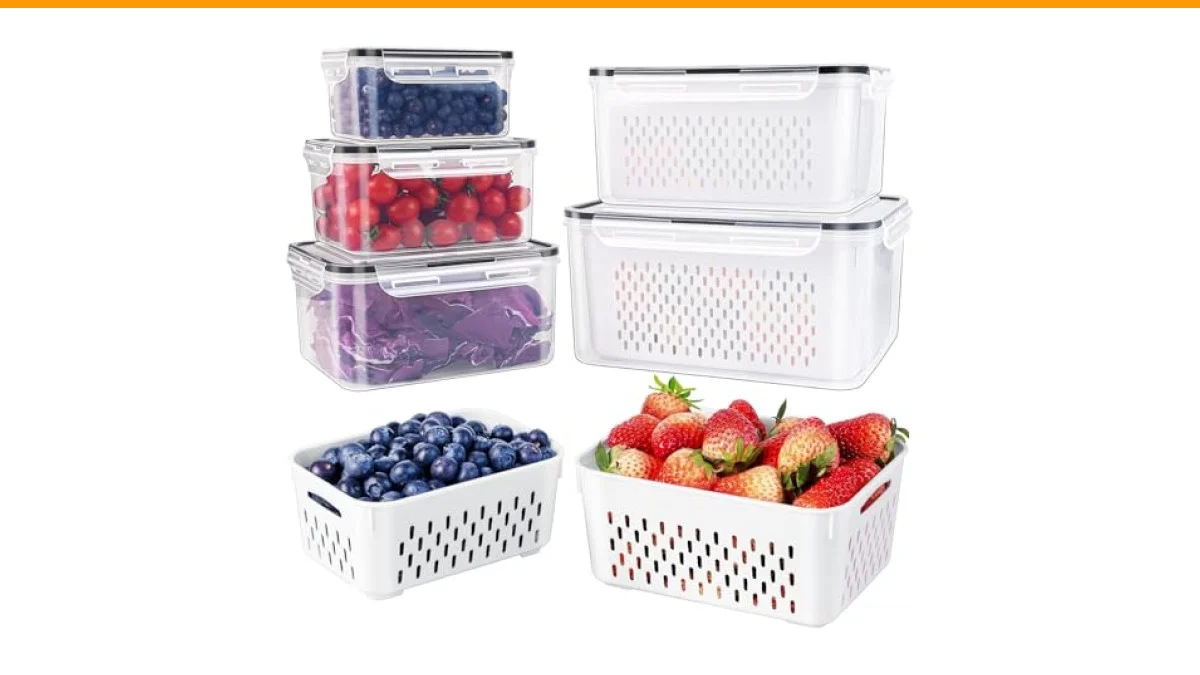
Freshmage
5 PCS Large Fruit storage Containers for Fridge ,Food Storage Containers | with Removable Colander Leakproof Dishwasher & Microwave safe Produce Containers Keep Fruits Vegetables Berry Fresh longer
- 5 packs : You will get 5 fridge storage containers with colander size from 300 ml to 4200 ml [10 oz - 148 oz ]. Suited for Most fr…
- 🍋 Keep food fresh for longer : The produce saver containers have a sealed environment built with the colanders and locks. Making i…
- 🍋 Easy to open & colse : You can pretreatment and clean the fruit and very, your families are able to open the lid to eat fruit or…
The Freshmage 5 PCS Large Fruit Storage Containers for Fridge are perfect for keeping fruits and vegetables fresh for longer. These containers feature a sealed environment and colanders that help reduce spoilage, making them an excellent choice for storing your harvest.
Methods for Preserving Your Harvest
1. Freezing
Freezing is one of the easiest and most effective methods for preserving vegetables. This process locks in flavor and nutrients, allowing you to enjoy your garden produce year-round. Here’s how to do it:
- Blanching: Most vegetables should be blanched before freezing to preserve their color, texture, and flavor. Blanching involves boiling vegetables for a short time (usually 2-5 minutes) and then quickly cooling them in ice water.
- Packing: Once cooled, pack the vegetables in airtight bags or containers, removing as much air as possible to prevent freezer burn.
- Storage: Label the bags with the date and type of vegetable. Most vegetables can be frozen for 6-12 months, depending on the variety.
2. Canning
Canning is a traditional method that allows you to preserve vegetables in jars sealed under vacuum. Here are the essentials:
- Equipment: You’ll need canning jars, a water bath canner or pressure canner, and a jar lifter.
- Preparation: Wash and cut your vegetables as needed. Prepare your jars by sterilizing them in boiling water.
- Process: Fill the jars with vegetables, leaving appropriate headspace. Seal the jars and process them according to the specific recipe. The duration can range from 10 to 90 minutes, depending on the vegetable and your elevation.
3. Dehydrating
Dehydrating removes moisture from vegetables, inhibiting the growth of spoilage-causing microorganisms. This method can be done using a dehydrator or an oven.
- Preparation: Clean and slice vegetables into uniform pieces for even drying.
- Temperature: Set the dehydrator to around 125°F (52°C) or the oven to the lowest setting. Dehydrating times vary but usually take 6-12 hours.
- Storage: Store dried vegetables in airtight containers in a cool, dark place. Properly dried vegetables can last 1-2 years.
4. Pickling
Pickling preserves vegetables in a vinegar-based solution. This method adds flavor while extending shelf life.
- Brine Preparation: Create a brine with vinegar, water, salt, and sugar, adjusting to taste.
- Packing Jars: Pack clean jars with vegetables and pour the hot brine over them, leaving headspace.
- Processing: Seal the jars and process them in a water bath for 10-20 minutes, depending on the recipe. Store pickled vegetables in a cool, dark place for optimal flavor development.
Comparison of Preservation Methods
| Method | Best For | Storage Duration | Equipment Needed |
|---|---|---|---|
| Freezing | Most vegetables | 6-12 months | Freezer bags, ice water |
| Canning | Tomatoes, pickles, beans | 1-2 years | Canning jars, canner |
| Dehydrating | Herbs, tomatoes, peppers | 1-2 years | Dehydrator or oven |
| Pickling | Cucumbers, carrots, beets | 1 year | Jars, vinegar |
Frequently Asked Questions
How do I know if my vegetables are spoiled?
Look for signs such as discoloration, wilted leaves, or off smells. Spoiled vegetables should be discarded immediately.
Can I freeze vegetables without blanching them first?
While you can freeze vegetables without blanching, doing so may affect their texture and color. Blanching is recommended for the best results.
What vegetables are best for canning?
Tomatoes, green beans, carrots, and cucumbers are popular choices for canning. Each vegetable may require a different process, so follow specific recipes.
How long do pickled vegetables last?
Pickled vegetables can last up to one year when stored properly in a cool, dark place.
Can I dehydrate vegetables in the oven?
Yes, you can use an oven to dehydrate vegetables. Set it to the lowest temperature and keep the door slightly ajar to allow moisture to escape.
Closing Takeaways
- Freezing retains flavor and nutrients; blanch vegetables before freezing.
- Canning requires sterilization; choose appropriate recipes for different vegetables.
- Dehydrating is ideal for long-term storage; ensure uniform slicing for even drying.
- Pickling adds flavor while preserving; store in a cool, dark place.
- Use storage containers like the Freshmage containers to keep produce organized and fresh.
- Monitor your stored vegetables regularly for signs of spoilage.
- Experiment with different preservation methods to find what works best for you.