Imagine walking through your garden, excited to see your squash plants thriving, only to discover they are under attack by squash bugs. These pests can quickly ruin your hard work, leaving you frustrated. Fortunately, there are effective organic methods to stop squash bugs and protect your plants, allowing you to enjoy your garden without resorting to harmful chemicals.
This article will guide you through proven strategies to combat squash bugs organically. You’ll learn about preventative measures, natural repellents, and the importance of maintaining a healthy garden ecosystem. By the end, you’ll have a comprehensive toolkit to keep squash bugs at bay.
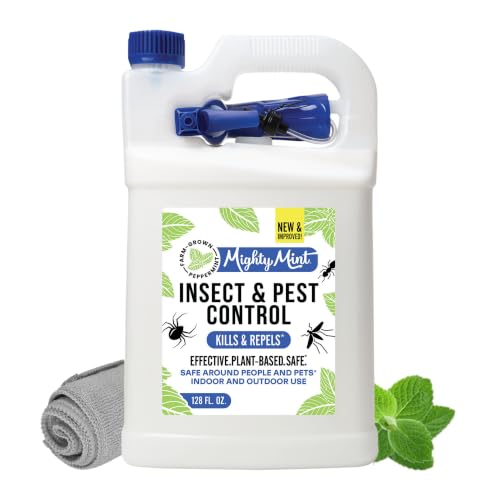
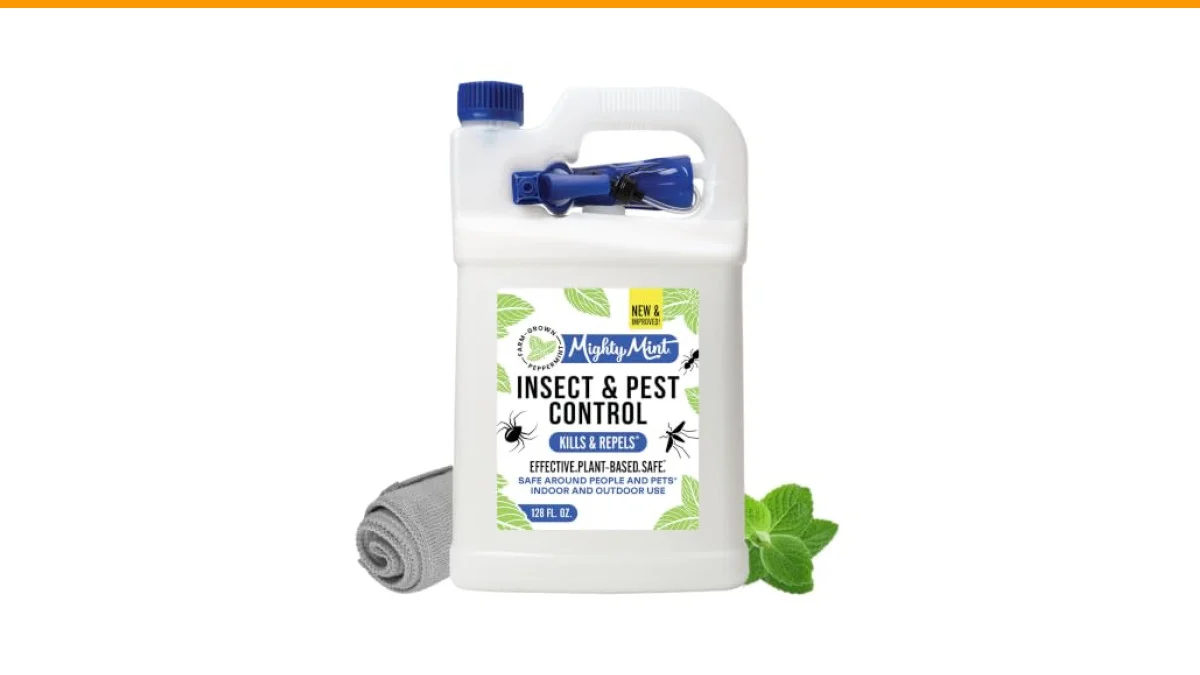
If you’re looking for an easy-to-use pest control option, consider Mighty Mint Peppermint Oil Insect Repellent Spray. This product is formulated with concentrated peppermint oil, providing a natural deterrent for various pests, including squash bugs, while being safe for pets and kids.
Understanding Squash Bugs
Squash bugs, primarily Anasa tristis, are notorious for feeding on squash, pumpkins, and cucumbers. These insects pierce the plant’s skin and suck out its juices, causing wilting, yellowing leaves, and eventually plant death. Early detection is crucial to preventing extensive damage. Common signs include dark spots on leaves and the presence of squash bug eggs, which are typically yellow and clustered on the undersides of leaves.
Preventative Measures
Preventing squash bugs from infesting your garden is far more effective than trying to eradicate them later. Here are some strategies:
- Crop Rotation: Change the location of your squash plants each year. This disrupts the life cycle of squash bugs.
- Companion Planting: Planting strong-smelling herbs like basil or marigold near squash can deter squash bugs.
- Row Covers: Use lightweight fabric covers to shield young plants from pests while allowing sunlight and moisture in.
Natural Repellents
Several natural repellents can effectively deter squash bugs:
- Peppermint Oil: Known for its pest-repelling properties, peppermint oil can be mixed with water and sprayed directly onto plants. A product like Mighty Mint Peppermint Oil Insect Repellent Spray can simplify this process.
- Neem Oil: Extracted from the seeds of the neem tree, this oil disrupts the life cycle of many pests, including squash bugs.
- Garlic Spray: Blend garlic with water and strain the mixture. Spray it on plants to repel squash bugs naturally.
Monitoring and Manual Removal
Regular monitoring of your squash plants is essential. Here’s how to effectively manage squash bugs:
- Check Under Leaves: Inspect the underside of leaves for eggs and squash bugs. Remove them by hand if found.
- Trap Bugs: Place board traps near your plants. Squash bugs are attracted to the color and will become trapped.
- Use Vacuum: A handheld vacuum can be an efficient tool for removing adult squash bugs when spotted.
| Method | Effectiveness | Ease of Use | Cost |
|---|---|---|---|
| Crop Rotation | High | Moderate | Low (time investment) |
| Companion Planting | Moderate | Easy | Low (seeds) |
| Peppermint Oil Spray | High | Very Easy | Moderate |
| Neem Oil | High | Moderate | Moderate |
| Manual Removal | Moderate | Easy | Free |
How do I know if I have squash bugs?
Look for dark spots on leaves, yellowing foliage, and clusters of yellow eggs on the undersides of leaves. These are clear indicators of squash bug infestation.
What natural remedies work best against squash bugs?
Peppermint oil, neem oil, and garlic spray are among the most effective natural remedies. They disrupt the squash bugs’ ability to feed and breed.
Can I use chemical pesticides on my squash plants?
While chemical pesticides are effective, they can harm beneficial insects and the surrounding ecosystem. Opting for organic solutions is preferable for sustainable gardening.
What is the best time to apply organic treatments?
Apply organic treatments in the early morning or late evening. This timing helps protect beneficial insects and ensures that the treatments are most effective.
How can I prevent squash bugs from returning?
Implement crop rotation, practice proper garden sanitation, and use companion planting to deter squash bugs from returning year after year.
Final Thoughts on Managing Squash Bugs
- Monitor your plants regularly for signs of squash bugs.
- Implement preventative measures such as crop rotation and companion planting.
- Utilize natural repellents like peppermint oil and neem oil.
- Remove squash bugs manually when spotted.
- Consider using products like Mighty Mint for added protection.
- Maintain a healthy garden ecosystem to support beneficial insects.
- Educate yourself about integrated pest management for long-term solutions.