
The Comprehensive Guide to Seed Saving from Your Vegetable Garden
Contents
Imagine standing in your garden, admiring the vibrant vegetables you’ve nurtured all season. As you plan for next year’s harvest, the thought of saving seeds from your favorite varieties might cross your mind. Seed saving isn’t just a way to save money; it’s also a step towards food independence and preserving heirloom varieties. In this article, you’ll learn how to effectively save seeds from your vegetable garden, ensuring you can grow your favorites year after year.
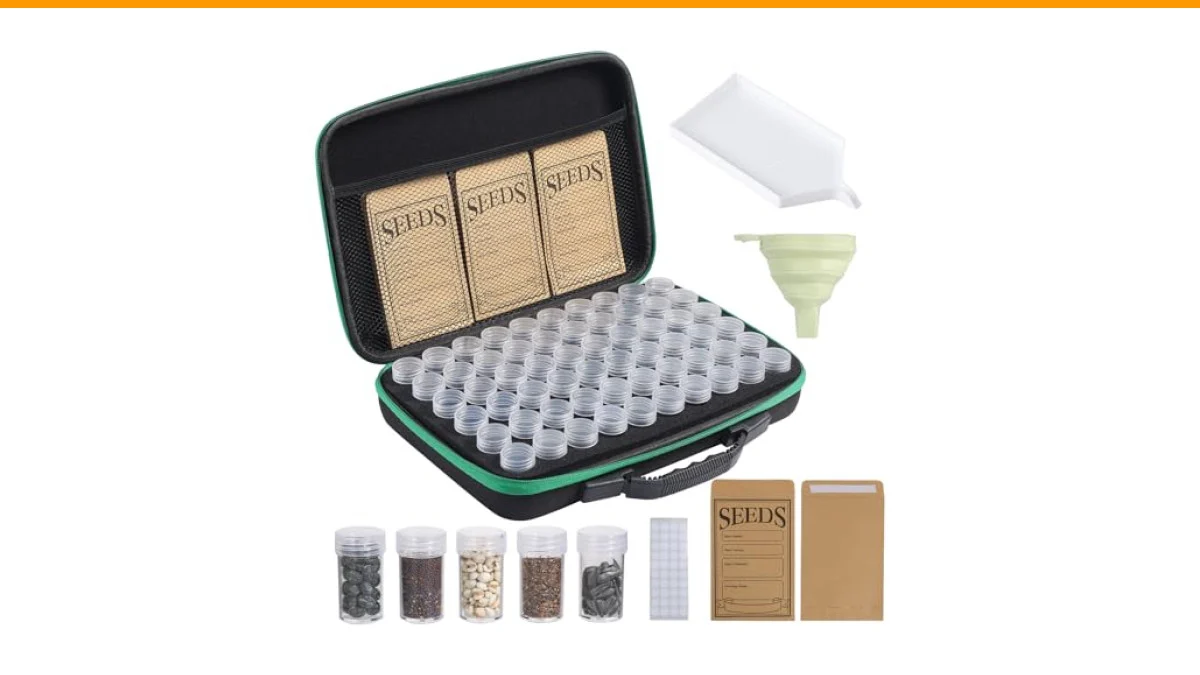
To facilitate your seed saving journey, consider the Douorgan Seed Storage Box. This portable seed saving box helps you organize and protect your seeds. With its sturdy design and various compartments, it makes managing your seed collection straightforward and efficient.

Douorgan
Douorgan Seed Storage Box, Portable Seed Saving Box, Sturdy Seed Organizer Kit Seed Envelopes Funnel Label, Seed Container for Flower Plants Vegetable Seed, M-60 Slots
- Seed Storage Organizer: The high-quality outer box avoids light and keeps seeds safe for longer. Built-in tight sponge slots hold…
- Practical Seed Tools: Seed organizer set includes a black portable carrying organizer bag, a sufficient number of small clear bott…
- Portable & Sturdy Carry Case: This portable seed saving box is made of high-quality EVA material which is water-resistant and very…
Understanding Seed Types
Before diving into the seed saving process, it’s crucial to understand the different types of seeds. There are primarily three categories:
- Open-Pollinated Seeds: These seeds are produced from plants that have been pollinated naturally. They will produce plants similar to the parent plant, which is ideal for seed saving.
- Hybrid Seeds: Created by cross-pollinating two different parent plants, these seeds may not yield plants identical to the parent. It’s best to avoid saving seeds from hybrids.
- Heirloom Seeds: These are open-pollinated seeds that have been passed down through generations. They often have unique flavors and characteristics that make them worthwhile to save.
Steps for Saving Seeds
Here’s a straightforward guide to saving seeds from your vegetable garden:
- Select Healthy Plants: Choose the best specimens of the plants you want to save seeds from. Look for plants that show strong growth and desirable traits.
- Know the Right Time: Harvest seeds at the right moment. For most vegetables, seeds should be collected after the fruit has fully ripened. For example, tomato seeds should come from overripe tomatoes.
- Harvesting Seeds: Cut the fruit open and extract the seeds. Use a spoon or your fingers to remove them. For beans and peas, allow the pods to dry on the plant before harvesting.
- Cleaning Seeds: Remove any pulp or debris. Rinse seeds in water, and let them dry on a paper towel or mesh screen to avoid mold.
- Storing Seeds: Place dried seeds in envelopes or containers. Label them with the variety and date of harvest. This is where the Douorgan Seed Storage Box comes in handy, offering organized storage with labeled compartments.
Best Practices for Seed Storage
Storing seeds properly is just as important as saving them. Here are some best practices:
- Keep Seeds Dry: Moisture can lead to mold or germination. Ensure seeds are completely dry before storage.
- Avoid Direct Light: Store seeds in a dark place to maintain their viability. The Douorgan Seed Storage Box’s opaque exterior is perfect for this.
- Temperature Control: Ideal storage temperatures are cool and stable. A temperature range of 32°F to 41°F (0°C to 5°C) is optimal.
Seed Viability and Lifespan
Not all seeds last the same amount of time. Here’s a quick look at how long you can expect different seeds to remain viable:
| Seed Type | Viability (Years) |
|---|---|
| Tomato | 4-6 |
| Cucumber | 5-6 |
| Peas | 3-4 |
| Beans | 2-3 |
| Carrots | 3 |
What is the best way to store seeds?
The best way to store seeds is in a cool, dry, and dark environment. Use airtight containers or seed envelopes to prevent moisture and light exposure. The Douorgan Seed Storage Box is a great option for organization and protection.
Can I save seeds from hybrid plants?
It’s not recommended to save seeds from hybrid plants. They often do not produce offspring that resemble the parent plant, leading to unpredictable results.
How do I know if my seeds are still viable?
To test seed viability, place a few seeds in a damp paper towel, seal them in a plastic bag, and wait a week. If they sprout, they are still viable. If not, it’s time to discard them.
How long can I store seeds?
Storage duration varies by seed type. Most seeds can be stored for several years if kept dry and cool. Refer to the viability table for specifics.
Is it better to save seeds or buy new ones?
Saving seeds can be more cost-effective and allows you to preserve specific varieties you love. However, buying from reputable suppliers can provide new genetic diversity and disease resistance.
Final Thoughts on Seed Saving
- Select strong, healthy plants for seed saving.
- Harvest seeds at the right time for maximum viability.
- Clean and dry seeds before storage to prevent mold.
- Store seeds in a cool, dark place using airtight containers.
- Keep records of seed types and harvesting dates for future reference.
- Use the Douorgan Seed Storage Box for organization and protection.
- Test seed viability before planting to ensure successful growth.