Many gardeners face a common dilemma: how to grow lettuce in summer without bolting. The rising temperatures can trigger lettuce to bolt, leading to bitter leaves and a reduced harvest. This situation can be frustrating, especially when you look forward to fresh salads and sandwiches. However, with the right strategies, you can enjoy a bountiful lettuce harvest despite the summer heat.
This article will provide you with detailed steps, tips, and techniques that will keep your lettuce thriving all summer long. By the end, you’ll understand how to select the right varieties, optimize growing conditions, and employ effective watering and shading techniques.
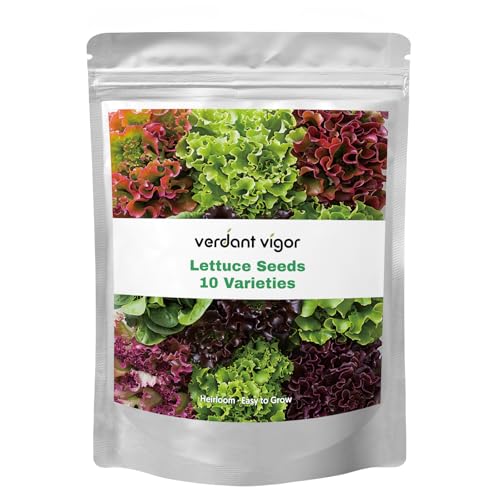
Verdant Vigor
20,000+ Lettuce Seeds 10 Varieties of Fresh Salad Greens | Hydroponic Kit, Heirloom Vegetable Seed, for Planting Indoor Outdoor, Easy to Grow for Garden Beginners, Non-GMO
- Healthy Food Source: Because of its tender flavor, lettuce is a popular vegetable for salad, sandwiches, wraps, soups, stir-fries…
- USA Original: All of our seeds are sourced and packaged in America. All seeds are heirloom, non-GMO, non-hybrid, high germ rate an…
- Unique Present: Heirloom seeds are hard to get, which makes great presents for housewife, chef, home gardener, garden enthusiast,…
If you’re gearing up for your summer garden, consider the 20,000+ Lettuce Seeds 10 Varieties of Fresh Salad Greens from Verdant Vigor. This collection features heirloom, non-GMO seeds with high germination rates, perfect for ensuring a steady supply of fresh lettuce throughout the season. You’ll get a variety of lettuce types, making it easier to find the ones that perform best in your climate.
Understanding Bolting: What It Is and Why It Happens
Bolting occurs when lettuce plants prematurely flower and set seed. This process is typically triggered by stress factors, primarily temperature and day length. Lettuce is a cool-season crop, thriving in temperatures between 60°F and 70°F. When temperatures consistently rise above 75°F, the plant senses stress and initiates its reproductive cycle, leading to bolting.
Some common signs of bolting include:
- Rapid growth of tall flower stalks
- Leaves becoming bitter and tough
- Overall decline in leaf quality
Understanding this process helps in taking proactive measures to prevent it.
Choosing Bolt-Resistant Varieties
Not all lettuce varieties behave the same under heat stress. Some are bred specifically for heat tolerance and are less likely to bolt. Consider planting:
- Butterhead Lettuce: This type offers a sweeter flavor and often withstands heat better than others.
- Romaine Lettuce: Known for its crisp texture, romaine is more heat-tolerant than many loose-leaf varieties.
- Heat-Resistant Varieties: Look for specific labels indicating heat resistance, such as ‘Summer Bibb’ or ‘Red Romaine.’
Choosing the right seeds can significantly impact your summer harvest.
Optimal Growing Conditions
Creating the right environment for your lettuce is essential. Here are some key factors to consider:
- Temperature Control: Aim to plant your lettuce in early spring or late summer to avoid the hottest months. If temperatures soar, consider using shade cloths to lower the temperature around your plants.
- Soil Quality: Lettuce prefers well-draining, nutrient-rich soil. A mix of compost and garden soil can provide the necessary nutrients.
- Watering: Consistent moisture is crucial. Water deeply but less frequently to encourage deep root growth. A good rule of thumb is to water when the top inch of soil feels dry.
Implementing these techniques can help keep your lettuce healthy and reduce the chances of bolting.
Shading and Protection Techniques
Providing shade is an effective way to prevent bolting. Here are some methods to consider:
- Row Covers: Lightweight fabric row covers can shield your plants from direct sunlight, keeping the temperature more stable.
- Shade Cloth: Installing shade cloth over your lettuce beds can reduce sunlight exposure, lowering temperatures by several degrees.
- Companion Planting: Planting taller crops, like sunflowers or tomatoes, nearby can naturally provide shade for your lettuce.
These methods can significantly help in maintaining cooler conditions and prolonging your lettuce harvest.
| Method | Description | Effectiveness |
|---|---|---|
| Choosing Bolt-Resistant Varieties | Opt for varieties like Butterhead or Romaine that tolerate heat. | High |
| Temperature Control | Use shade cloths to protect from extreme heat. | Moderate to High |
| Soil Quality | Ensure well-draining, nutrient-rich soil. | High |
| Watering Techniques | Water deeply but infrequently. | High |
| Shading Techniques | Use row covers or companion planting for natural shade. | Moderate |
What is bolting in lettuce?
Bolting is when lettuce plants flower and go to seed prematurely, often triggered by heat and stress. This results in bitter leaves and reduced harvest.
How can I prevent my lettuce from bolting in summer?
To prevent bolting, choose heat-resistant varieties, maintain consistent moisture, and provide shade during extreme heat.
What are the best lettuce varieties for hot weather?
Butterhead, Romaine, and specific heat-tolerant varieties like ‘Summer Bibb’ are excellent choices for hot weather.
How often should I water my summer lettuce?
Water deeply about once or twice a week, ensuring the top inch of soil dries out between watering to promote deep root growth.
Can I grow lettuce in containers in summer?
Yes, growing lettuce in containers is feasible. Just ensure the containers have good drainage and monitor moisture levels closely.
Final Tips for a Successful Summer Lettuce Crop
- Choose bolt-resistant lettuce varieties.
- Implement shading techniques during peak heat.
- Maintain consistent soil moisture.
- Use well-draining, nutrient-rich soil.
- Monitor temperatures and adjust watering accordingly.
- Consider companion planting for natural shade.
- Start seeds indoors before transplanting for an earlier harvest.