Gardening offers a rewarding escape from the hustle and bustle of daily life, but it’s not without its challenges. One of the most critical factors that can make or break your garden is understanding the climate in which you’re planting. Imagine putting in all the time and effort to nurture a vegetable garden only to find that the plants you chose struggle to thrive in your region. Knowing how to choose vegetables for your climate zone can prevent this disappointment and set you on the path to a fruitful harvest.
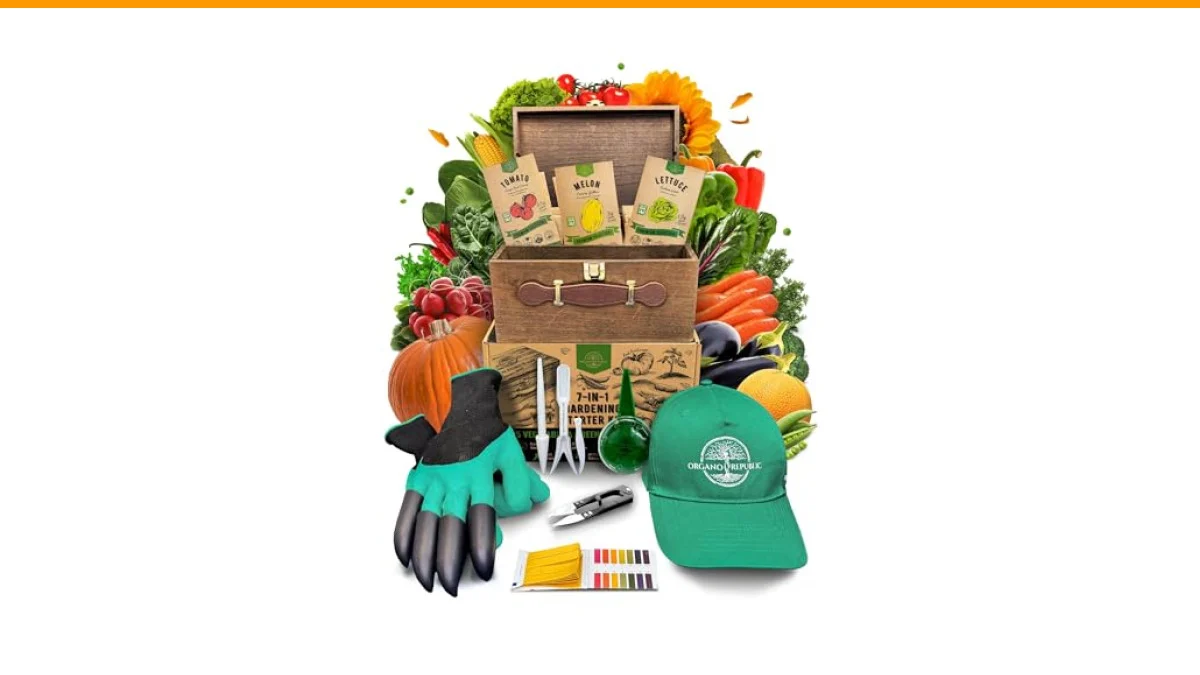
This article will guide you through the essential steps for selecting vegetables that will thrive in your specific climate zone. You’ll learn about the different climate zones, how to assess your local environment, and which vegetables are well-suited to your conditions. Furthermore, I’ll introduce you to a fantastic product, the 75 Vegetable & Greens Seeds Variety Pack, which offers an extensive selection of heirloom seeds perfect for your gardening adventures.

Organo Republic
75 Vegetable & Greens Seeds Variety Pack, Garden Seed Starter Kit - Over 44,700 Non-GMO Heirloom Seeds for Planting Vegetables and Greens, Seed Box with Gardening Supplies, Gardening Gifts
- 7-in-1 Gardening Starter Kit includes 75 non-GMO heirloom vegetable and greens seed packs for planting outdoor and indoor gardens.…
Understanding Climate Zones
Climate zones are geographical areas defined by specific climate characteristics such as temperature, humidity, and precipitation. The USDA Plant Hardiness Zone Map is a widely recognized tool that divides regions into 13 zones, each representing a 10°F range of average annual minimum temperatures. Knowing your zone helps you choose vegetables that can handle your local climate.
For instance, if you live in Zone 5, you’re likely to experience cold winters and warm summers. Vegetables like carrots and kale thrive here. Conversely, in Zone 9, where winters are mild, you can grow crops like tomatoes and peppers year-round.
Assessing Your Local Environment
Beyond just the climate zone, it’s important to assess your specific environment. Factors such as soil type, sunlight exposure, and moisture levels play a crucial role in vegetable growth. Here’s how to evaluate these elements:
- Soil Type: Test your soil for pH and nutrient content. Vegetables like potatoes prefer sandy soil, while leafy greens thrive in loamy soil.
- Sunlight Exposure: Most vegetables need at least 6-8 hours of direct sunlight. Observe your garden throughout the day to see how much light it receives.
- Moisture Levels: Consider your local rainfall and irrigation options. Some vegetables, like cucumbers, require more water compared to others like sage.
Selecting Vegetables for Your Zone
Once you understand your climate zone and local environment, you can begin selecting suitable vegetables. Here’s a breakdown of some common vegetables based on climate zones:
| Climate Zone | Recommended Vegetables | Growing Season |
|---|---|---|
| Zone 3 | Peas, Broccoli, Spinach | Short, cool |
| Zone 5 | Carrots, Kale, Beets | Moderate, cool |
| Zone 7 | Tomatoes, Peppers, Squash | Long, warm |
| Zone 9 | Eggplant, Okra, Melons | Very long, hot |
Helpful Tips for Successful Vegetable Gardening
Even with the right vegetables, a few best practices can enhance your gardening experience:
- Rotate crops each year to prevent soil nutrient depletion and disease.
- Consider companion planting, where certain plants benefit each other when grown together.
- Always check the seed packet for specific planting instructions, as some vegetables may have particular needs.
What is the best way to find my climate zone?
You can easily find your climate zone using the USDA Plant Hardiness Zone Map available online. Simply enter your zip code to receive the specific zone for your area.
How do I know which vegetables are suitable for my zone?
Researching vegetables that thrive in your climate zone is key. Refer to local gardening centers or websites dedicated to gardening for your area. Many also provide lists of vegetables that do well in each zone.
Can I grow vegetables year-round in my zone?
This largely depends on your specific climate zone. Warmer zones (like Zone 9) allow for year-round growing, while colder zones (like Zone 3) may only support a few months of growth during the warmer season.
How does soil type affect vegetable growth?
Soil type influences drainage, nutrient availability, and root development. Vegetables have varying requirements; for instance, root vegetables prefer loose, sandy soils while leafy greens thrive in richer, loamy soils.
What should I do if I want to grow vegetables not suited for my climate?
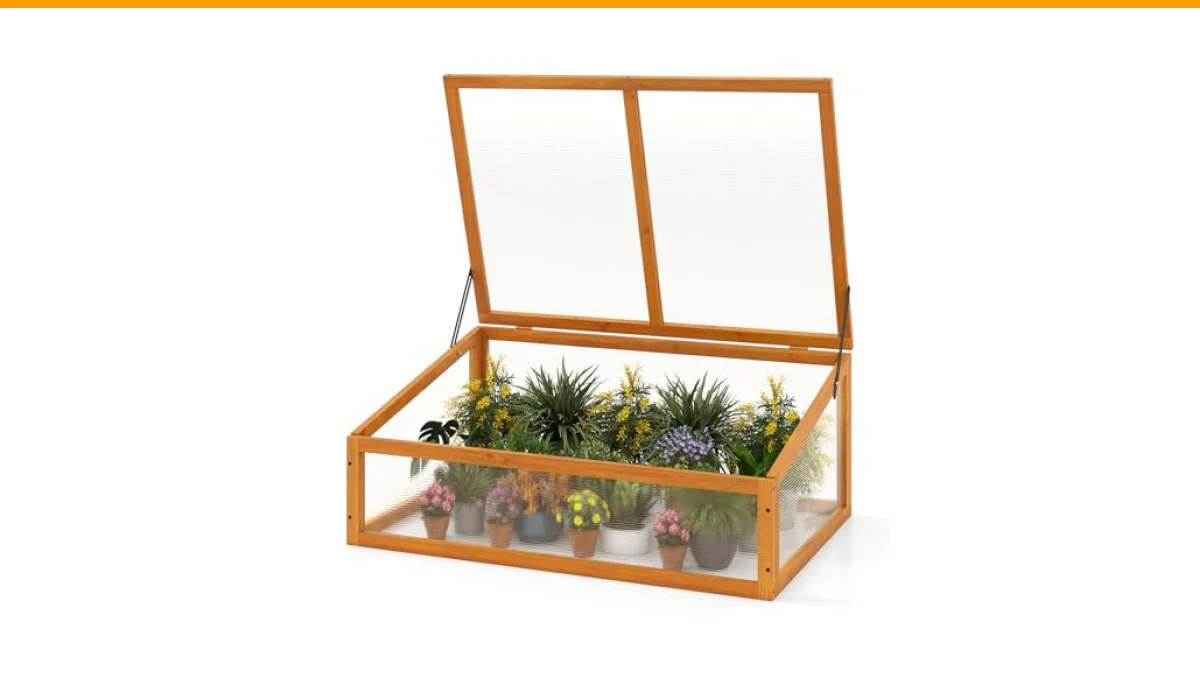
Consider using protective measures such as greenhouses or row covers. These can help create a suitable microclimate for plants that may otherwise struggle in your zone.
Simple Actions for Successful Gardening
- Identify your climate zone using the USDA map.
- Assess your local soil, sunlight, and moisture conditions.
- Select vegetables suited to your zone and environment.
- Follow best practices like crop rotation and companion planting.
- Consider the 75 Vegetable & Greens Seeds Variety Pack for diverse planting options.
- Stay informed about local gardening techniques and seasonal changes.
With a bit of planning and research, you’ll find the right vegetables that flourish in your climate zone. Happy gardening!