Introduction
Imagine living in a bustling urban environment where outdoor space is a luxury rather than a given. You have a passion for growing your own food, but traditional gardening methods feel unrealistic. What if there were ways to cultivate fresh vegetables without needing an expansive garden? Vertical gardening offers a practical solution, making it possible to maximize your yield in limited spaces.
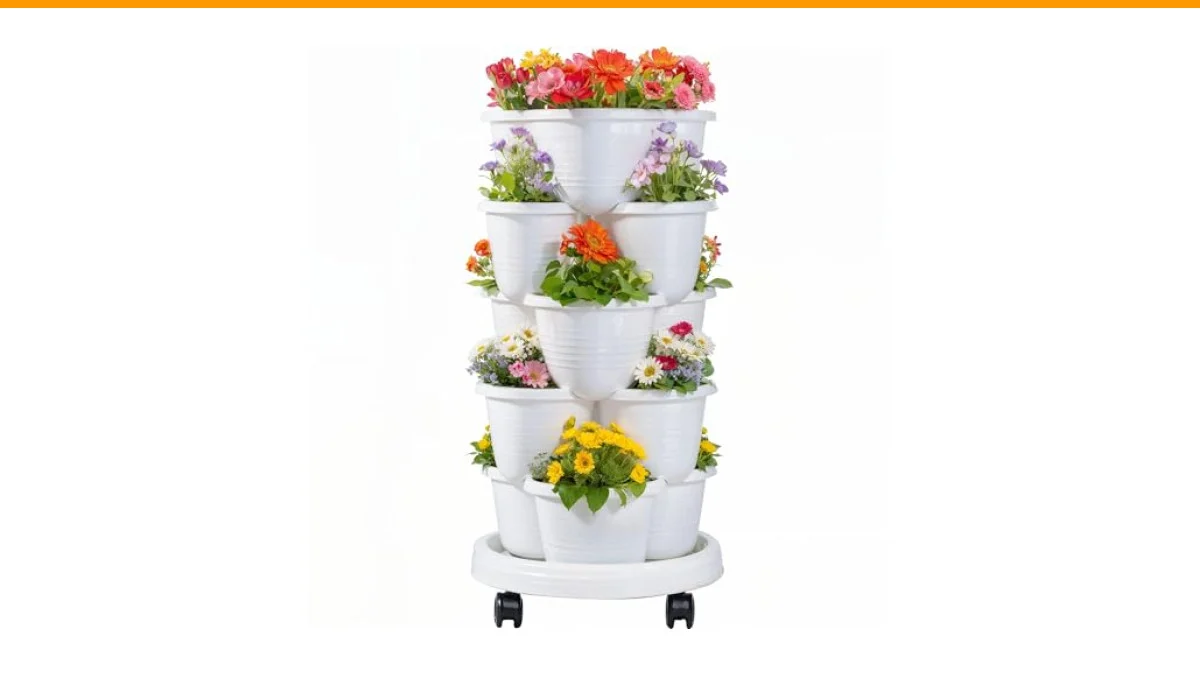
This article will guide you through innovative vertical gardening ideas for vegetables. You’ll learn the benefits of vertical gardening, various techniques, suitable plants, and how to utilize products like the VECELO 5 Tier Vertical Garden Planter. This self-watering planter can help you grow herbs, strawberries, and vegetables all while saving space and ensuring healthy plants.
The VECELO planter is designed to stack five layers, making it ideal for patios, balconies, or indoor spaces. Its efficient self-draining feature prevents waterlogging, and the built-in wheels provide easy mobility for optimal sun exposure. With such a versatile planter, you can cultivate a mini garden effortlessly.
Benefits of Vertical Gardening
Vertical gardening is more than just an aesthetic choice; it offers practical advantages:
- Space Efficiency: Vertical gardens utilize vertical space, allowing you to grow more plants in smaller areas. This is especially important in urban settings.
- Improved Air Circulation: Plants grown vertically tend to have better air circulation, reducing the risk of disease and pests.
- Accessibility: Elevated gardens make it easier to tend to plants without excessive bending or kneeling, making gardening more accessible to everyone.
- Water Conservation: Vertical gardens often require less water than traditional gardens since gravity helps with drainage and moisture retention.
Choosing the Right Vegetables for Vertical Gardening
Not all vegetables are suited for vertical gardening. Here are some ideal choices:
- Leafy Greens: Varieties like lettuce, spinach, and kale thrive in vertical setups. They grow quickly and don’t require deep soil.
- Fruits: Tomatoes, cucumbers, and strawberries are excellent candidates. They naturally climb and can benefit from trellises or supporting structures.
- Herbs: Basil, parsley, and mint adapt well to vertical gardens due to their compact size and frequent use in cooking.
Consider your local climate and the sunlight available when selecting plants. For instance, tomatoes require full sun (6-8 hours), while leafy greens can tolerate partial shade.
Vertical Gardening Techniques
Implementing vertical gardening methods can vary based on space and resources. Here are some effective techniques:
- Trellising: Use a trellis to support climbing plants like beans and peas. This approach allows your plants to grow upward, saving ground space.
- Stackable Planters: Products such as the VECELO 5 Tier Vertical Garden Planter enable you to grow multiple layers of plants in a compact footprint.
- Wall Gardens: Install wall-mounted planters or pockets made from fabric or recycled materials. This method adds greenery to your walls while providing an attractive display.
- Hanging Baskets: Suspend baskets from ceilings or hooks to grow trailing plants like strawberries and herbs. This adds visual interest and is a great use of vertical space.
Comparison of Vertical Gardening Techniques
| Technique | Space Required | Ease of Maintenance | Best Plants |
|---|---|---|---|
| Trellising | Moderate | Moderate | Beans, Peas, Tomatoes |
| Stackable Planters | Minimal | Easy | Herbs, Strawberries |
| Wall Gardens | Minimal | Moderate | Succulents, Ferns |
| Hanging Baskets | Minimal | Easy | Strawberries, Herbs |
Frequently Asked Questions
What vegetables grow best in vertical gardens?
Leafy greens, tomatoes, cucumbers, and herbs are some of the best vegetables for vertical gardening due to their growth habits and space efficiency.
How much sunlight do vertical gardens need?
Most vegetables require at least 6 hours of sunlight daily. However, leafy greens can thrive in partial shade.
Do I need special soil for vertical gardening?
A lightweight, well-draining potting mix is ideal for vertical gardening. This helps with moisture retention without causing waterlogging.
Can I use any planter for vertical gardening?
While many planters can be used, stackable or wall-mounted planters specifically designed for vertical gardening maximize space and drainage.
How often should I water my vertical garden?
Watering frequency depends on the plants and climate. Generally, check the soil moisture regularly. Vertical gardens may require more frequent watering due to their exposure.
Practical Tips for Successful Vertical Gardening
- Start with easy-to-grow vegetables to build confidence.
- Rotate crops annually to prevent soil depletion.
- Invest in a quality vertical planter, like the VECELO model, for ease of use.
- Be mindful of pests; monitor plants regularly for signs of infestation.
- Consider companion planting to enhance growth and deter pests.
Vertical gardening is a sustainable and innovative way to cultivate vegetables in limited spaces. With the right approach, anyone can enjoy the benefits of homegrown produce, regardless of their living situation.
For additional tips on gardening tools, check out gardening tools for schools and explore garden tool organizers for more efficient gardening solutions.