Imagine nurturing a thriving vegetable garden, only to find your plants struggling to grow robustly. Many gardeners face this challenge, often without realizing that soil pH plays a critical role in plant health. Soil pH affects nutrient availability, microbial activity, and overall plant vigor. Understanding soil pH for vegetables is essential for achieving a productive garden.
This article will guide you through the significance of soil pH, how to test it, and methods to adjust it for optimal vegetable growth. With this knowledge, you’ll be equipped to cultivate a flourishing garden.
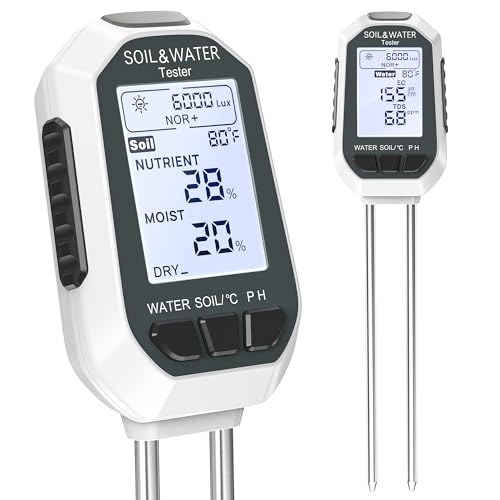
Buladeke
Buladeke Moisture Meter for Plants,7-in-1 Digital Soil Tester Kit | Soil pH Tester with LCD - Measures pH, EC, TDS, Fertility, Temp, Moisture & Sunlight, Garden Tools for Indoor & Outdoor
- 【7-in-1 Features】This is a 7-in-1 multi-function soil tester. Our soil tester quickly measures soil moisture, pH, temperature and…
- 【Large Screen & LCD Backlight】The Soil Moisture Meter has a large LCD display with white backlight that clearly shows the numerica…
- 【Fast and accurate measurement】With the latest 2025 probe technology, it can quickly and accurately measure soil pH, moisture, tem…
To assist in your gardening journey, consider using the Buladeke Moisture Meter for Plants. This 7-in-1 digital soil tester kit not only measures soil pH but also helps you monitor moisture, temperature, and light intensity, ensuring your plants receive the care they need.

Understanding Soil pH
Soil pH is a measure of the acidity or alkalinity of the soil, on a scale from 0 to 14. A pH of 7 is neutral; below 7 indicates acidity, while above 7 indicates alkalinity. Most vegetables thrive in slightly acidic to neutral soil, typically between pH 6.0 and 7.0. Each vegetable has different pH preferences, which can significantly impact their nutrient uptake.
For example:
- Tomatoes prefer a pH of 6.0 to 6.8.
- Carrots thrive at 6.0 to 7.0.
- Spinach does best in a range of 6.5 to 7.5.
Understanding these ranges helps you create optimal conditions for each crop, ensuring they receive the nutrients they require for healthy growth.
How to Test Soil pH
Testing soil pH can be done using several methods, including:
- pH Meter: This electronic device provides accurate readings. Insert the probe into moist soil and read the display. Ideal for regular monitoring.
- Test Kits: Available at garden stores, these kits come with reagents that change color based on soil pH. Follow the instructions for precise results.
- DIY Method: Mix a soil sample with distilled water and vinegar (for alkaline) or baking soda (for acidic) to see reactions, though this is less precise.
For accuracy, test multiple spots in your garden. Soil pH can vary significantly even within the same plot.
Adjusting Soil pH
Once you know your soil pH, you may need to adjust it. Here are methods to do so:
- Lowering pH: To make soil more acidic, add elemental sulfur or organic materials like pine needles or peat moss. Aim for a gradual change, checking pH annually.
- Raising pH: To increase alkalinity, use lime (calcium carbonate) or wood ash. Similar to lowering pH, changes should be gradual.
- Organic Matter: Adding compost can buffer soil pH, improving overall soil health and nutrient availability.
Adjusting soil pH is not a one-time task; regularly monitoring can prevent issues and keep your plants thriving.
Comparison of Soil pH Testing Methods
| Testing Method | Accuracy | Ease of Use | Cost |
|---|---|---|---|
| pH Meter | High | Moderate | Medium |
| Test Kits | Moderate | Easy | Low |
| DIY Method | Low | Easy | Free |
Each method has its pros and cons. Choose one based on your needs and budget.
FAQs About Soil pH for Vegetables
What is the ideal pH for vegetable gardens?
The ideal pH range for most vegetables is between 6.0 and 7.0. Some plants, however, may thrive in slightly outside this range.
How often should I test my soil pH?
Testing once a year is generally sufficient, or more frequently if you notice changes in plant health.
Can soil pH affect pest problems?
Yes, imbalanced pH can lead to nutrient deficiencies, which may weaken plants and make them more susceptible to pests.
What are signs of low soil pH?
Signs include yellowing leaves, stunted growth, and poor fruit development. Testing the soil pH is the best way to confirm.
Can I use the Buladeke moisture meter for pH testing?
Yes, the Buladeke moisture meter provides quick and accurate pH readings, making it a valuable tool for gardeners.
Final Thoughts on Managing Soil pH
- Test soil pH regularly to ensure optimal growing conditions.
- Adjust pH gradually to avoid shocking plants.
- Consider the specific needs of each vegetable type.
- Incorporate organic matter to buffer pH changes.
- Utilize tools like the Buladeke moisture meter for efficient monitoring.
- Stay informed on soil health to enhance garden productivity.
- Explore additional resources on soil testing for better results.
With a solid understanding of soil pH for vegetables, you can cultivate a thriving garden that delivers abundant harvests.