Wood Ash in the Garden: Pros and Cons
Contents
Many gardeners seek natural amendments to improve soil health and plant growth. Among these amendments, wood ash stands out for its accessibility and nutrient content. After enjoying a cozy fire, you might wonder if those ashes can benefit your garden. This article unpacks the pros and cons of using wood ash, helping you make an informed decision.
Wood ash can be a valuable resource for your garden. It offers several benefits, such as providing essential nutrients and adjusting soil pH. However, it’s essential to understand its limitations, particularly regarding specific plant types and soil conditions. By the end of this article, you’ll know how to apply wood ash effectively and when to proceed with caution.

The Living Pasture
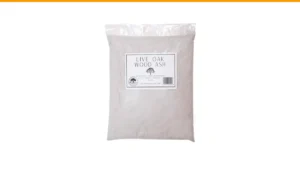
Live Oak Wood Ash, 2 lbs
- All-Natural Sifted Untreated Hardwood Ashes: Our Live Oak Wood Ash is sustainably sourced, fired and packaged in Texas. No chemica…
- Hundreds of Uses: Hardwood Ash has numerous applications. It can be used as a natural fertilizer, soil amendment, soil pH balancer…
- Soil Amendment: Boosts soil health with natural nutrients: Hardwood Ash is rich in essential nutrients that are beneficial for pla…
For those interested in sourcing quality wood ash, consider Live Oak Wood Ash. This product is made from natural, untreated hardwood ashes and can serve multiple purposes in your garden.
Benefits of Wood Ash in the Garden
Wood ash is rich in several essential nutrients, including potassium, calcium, and magnesium. These components can significantly enhance soil health and promote plant growth. Here are some key benefits:
- Natural Fertilizer: Wood ash contains about 5-10% potassium, which supports root development and flowering. This makes it particularly beneficial for fruiting and flowering plants.
- Soil pH Adjustment: With a pH ranging from 9 to 13, wood ash is highly alkaline. It helps raise the pH of acidic soils, making it suitable for a variety of plants. However, avoid using it around acid-loving plants like blueberries and azaleas.
- Improved Soil Structure: The fine particles of wood ash can enhance soil aeration and drainage, benefiting root systems and overall plant health.
- Trace Minerals: In addition to primary nutrients, wood ash contains trace minerals like iron and manganese, which are crucial for plant health.
Drawbacks of Wood Ash in the Garden
While wood ash offers many benefits, it also comes with some drawbacks. Understanding these limitations can prevent potential issues in your garden:
- High Alkalinity: If used excessively, wood ash can raise soil pH too much, creating an unfavorable environment for many plants. Test your soil’s pH before application.
- Limited Nutrient Variety: Wood ash primarily provides potassium and calcium. It lacks nitrogen, which is vital for plant growth. Consider supplementing with other fertilizers to balance nutrient levels.
- Contaminants: Ensure that your wood ashes are free from chemicals and additives. Treated woods can introduce harmful substances to the soil.
- Application Rate: Using too much wood ash can lead to nutrient imbalances and soil toxicity. A general guideline is to apply no more than 5-10 pounds per 100 square feet annually.
How to Use Wood Ash in the Garden
Applying wood ash effectively requires some knowledge of your soil and plants. Here’s a step-by-step guide:
- Test Your Soil: Use a soil test kit to check pH levels and nutrient content. This helps determine if wood ash is appropriate for your garden.
- Choose the Right Time: Apply wood ash in early spring or fall, when plants are not actively growing. Avoid applying before heavy rains, which can wash away the nutrients.
- Mix with Soil: Incorporate wood ash into the top few inches of soil. This ensures even distribution and reduces the risk of local pH spikes.
- Monitor Plant Response: Observe how your plants react after application. If you notice signs of stress, reassess your use of wood ash.
Comparison of Wood Ash Application Methods
| Application Method | Advantages | Disadvantages |
|---|---|---|
| Direct Soil Incorporation | Even nutrient distribution, improves soil structure | Requires soil testing, risk of over-application |
| Top Dressing | Easy to apply, minimal soil disturbance | Can wash away with rain, less effective for deeper roots |
| Compost Pile Additive | Enhances nutrient content, reduces odor | May require additional balancing, not suitable for all compost |
Is wood ash good for all plants?
No, wood ash is not suitable for acid-loving plants like blueberries and rhododendrons. These plants thrive in acidic soil, while wood ash raises pH levels.
How often should I use wood ash in my garden?
Limit application to once a year, applying no more than 5-10 pounds per 100 square feet. This helps prevent soil toxicity and maintain nutrient balance.
Can I use wood ash from treated wood?
Avoid using ash from treated wood, painted wood, or any wood with chemicals. These can introduce harmful substances into your soil.
How should I store wood ash?
Store wood ash in a dry, well-ventilated area to prevent moisture absorption. Use a sealed container to keep it dry and free from contaminants.
What are the visual signs that I’ve used too much wood ash?
Signs of over-application include yellowing leaves, stunted growth, or wilting. If these symptoms occur, consider reducing or eliminating wood ash use.
Practical Takeaways
- Wood ash can improve soil health but should be used in moderation.
- Test your soil pH before applying wood ash.
- Avoid using wood ash around acid-loving plants.
- Store wood ash properly to maintain its effectiveness.
- Monitor plant health after application to adjust future use.
- Explore other natural amendments to balance your soil’s nutrient profile.
- Consider reading more about garden tools that complement wood ash applications.