Imagine stepping into your garden on a hot summer day. The sun beats down relentlessly, and you can practically hear the plants begging for a drink. You wonder, how can you retain moisture while suppressing weeds? Gardeners often face this dilemma, particularly when choosing the right mulch. Straw and hay are two popular options, but they aren’t interchangeable. This article dives deep into the differences between straw and hay for vegetable garden mulch, helping you make an informed choice that enhances your garden’s health.
By the end of this article, you’ll understand the distinct characteristics of straw and hay, how each can benefit your vegetable garden, and when to use one over the other. You’ll also discover a product that can streamline your mulching process: HealthiStraw GardenStraw. This all-natural mulch is designed specifically for gardens, making it a clean and effective choice for retaining moisture and enriching soil.

HealthiStraw
In this article
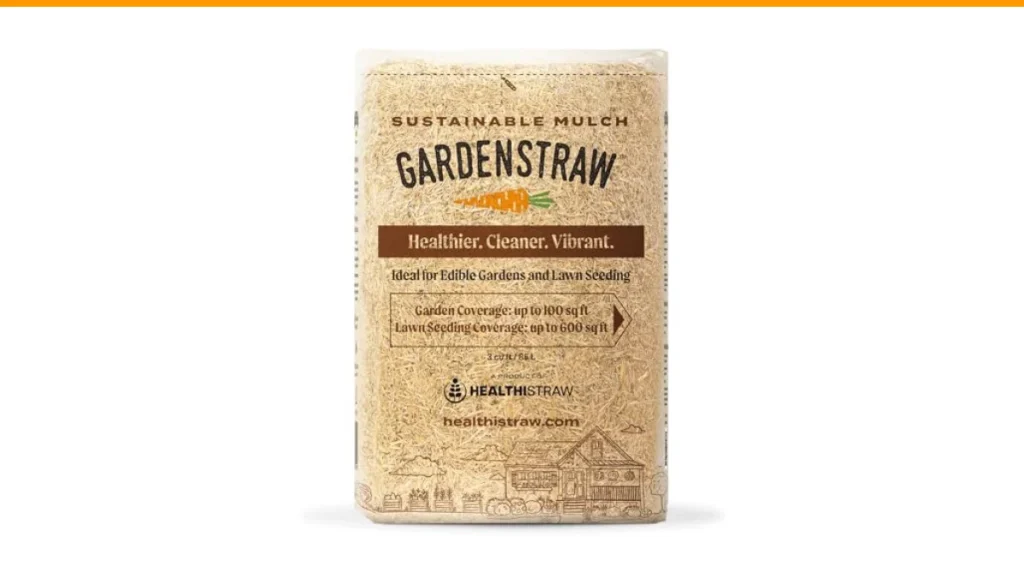
- HealthiStraw GardenStraw, 3 cu ft (20 lbs) All-Natural Mulch for Gardens, Vegetables & Lawn Seeding – Water-Conserving Wheat Straw – Thoroughly Cleaned, Sustainable
- Understanding Straw and Hay
- Common Misconceptions about Straw and Hay
- Benefits of Using Straw in Your Vegetable Garden
- When to Use Hay in Your Vegetable Garden
- Final Thoughts on Straw vs Hay for Vegetable Garden Mulch
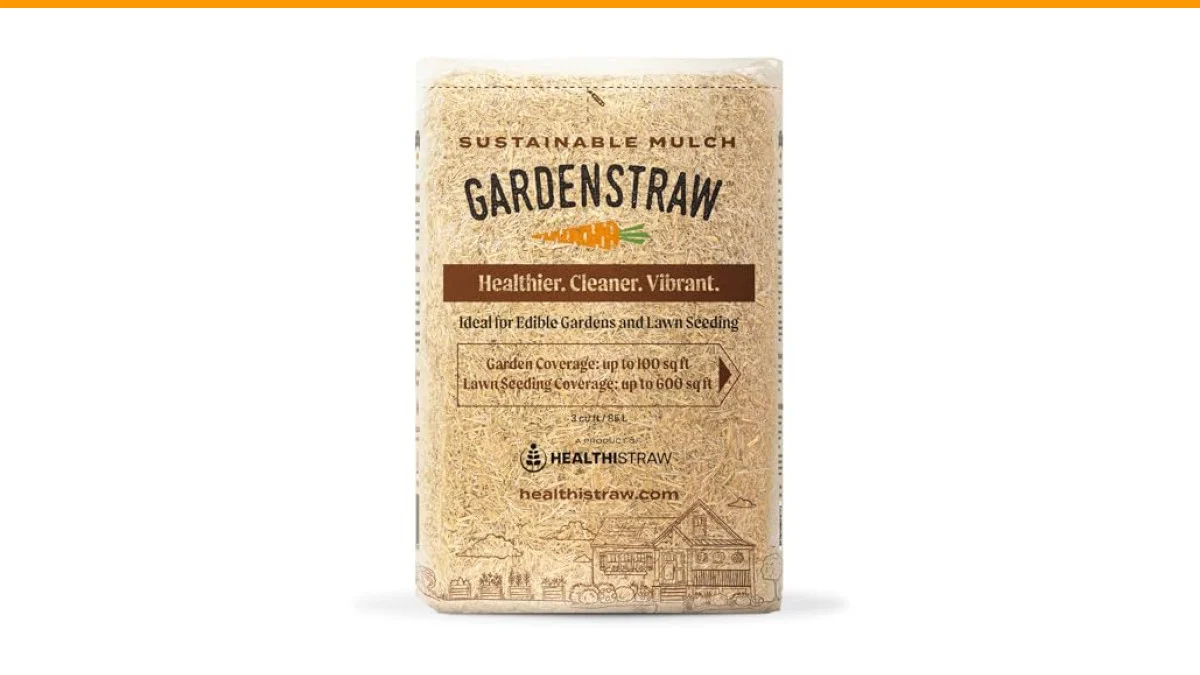
HealthiStraw GardenStraw, 3 cu ft (20 lbs) All-Natural Mulch for Gardens, Vegetables & Lawn Seeding – Water-Conserving Wheat Straw – Thoroughly Cleaned, Sustainable
- All-Natural & Clean Mulch —Sustainably sourced 100% non-GMO wheat straw is naturally filtered to remove dust, dirt, and as many se…
- Designed for Gardens & Compost-Friendly — Ideal for vegetable, herb, flower, and fruit gardens, raised beds, containers, and lawn…
- Conserves Water — Retains soil moisture, limits evaporation, and keeps soil cool, reducing watering needs by up to 50%.
Understanding Straw and Hay
Before we compare straw and hay, it’s vital to understand what each one is. Straw is the dry stalks of cereal plants, such as wheat, after the grain has been harvested. It’s typically golden in color and has low nutritional value. Hay, on the other hand, consists of grass or legumes that have been cut and dried for animal feed. Unlike straw, hay is rich in nutrients, making it more appealing to pests and weeds.
Both materials serve various mulching purposes, but their differences in composition and use cases are significant. For instance, while straw breaks down slowly and provides a long-lasting barrier, hay decomposes more quickly, enriching the soil faster but potentially introducing weed seeds.
Common Misconceptions about Straw and Hay
Many gardeners mistakenly believe that hay is better for mulching because of its nutritional content. While it’s true that hay can enrich the soil, it can also bring unwanted weeds and pests. In contrast, straw, due to its lower nutrient profile, is less attractive to these issues. This makes straw a superior choice for those primarily interested in weed suppression and moisture retention.
Another misconception is that straw lacks benefits compared to hay. Straw is excellent for keeping soil cool, retaining moisture, and preventing erosion. It’s also less likely to attract rodents and other pests. Therefore, if your focus is on creating a clean and efficient mulch layer, straw is often the better option.
Benefits of Using Straw in Your Vegetable Garden
Straw can offer numerous advantages when used as mulch in vegetable gardens:
- Moisture Retention: Straw can reduce water evaporation from the soil, cutting watering needs by up to 50%.
- Weed Suppression: It effectively blocks sunlight, preventing weeds from germinating.
- Soil Enrichment: As it decomposes, straw adds carbon to the soil, supporting microbial life.
- Temperature Regulation: It helps keep soil cool during hot weather, protecting plant roots.
- Lightweight and Easy to Handle: Straw is easy to spread and can cover large areas efficiently.
Using a product like HealthiStraw GardenStraw can simplify this process. It comes in a manageable compressed bale, ensuring you have enough material to cover your garden effectively.
When to Use Hay in Your Vegetable Garden
While straw has many advantages, hay still holds its own in certain scenarios. Hay can be useful when:
- Soil Enrichment is Key: If you’re looking to boost soil fertility quickly, hay can be beneficial due to its nutrient content.
- Early Season Coverage: In the spring, hay can provide a quick source of organic matter as it decomposes.
- Specific Crop Needs: Certain plants may benefit from the additional nutrients found in hay, especially during their initial growth stages.
However, be cautious about the potential for weed seeds. Always source hay from reputable suppliers to minimize this risk.
| Feature | Straw | Hay |
|---|---|---|
| Nutritional Content | Low | High |
| Weed Seed Risk | Low | High |
| Moisture Retention | Excellent | Moderate |
| Decomposition Rate | Slow | Fast |
| Cost | Typically lower | Can vary |
1. Can I use hay instead of straw for mulching?
Yes, you can use hay instead of straw, but be aware that hay has a higher weed seed content, which can lead to more maintenance in the long run.
2. How deep should I apply straw mulch?
A depth of 2-3 inches is ideal for straw mulch. This thickness helps suppress weeds while still allowing water and nutrients to reach your plants.
3. Does straw attract pests?
Straw is less likely to attract pests compared to hay. Its lower nutritional value makes it a less appealing option for rodents and other garden invaders.
4. How often should I replace straw mulch?
Typically, you should replenish straw mulch every year. Over time, straw decomposes and may need to be added to maintain the desired thickness.
5. Can straw be composted?
Yes, straw is compostable and adds valuable carbon to your compost pile, enhancing the nutrient composition of your finished compost.
Final Thoughts on Straw vs Hay for Vegetable Garden Mulch
- Straw is generally the better choice for long-lasting mulch that suppresses weeds.
- Hay can enrich soil but may introduce weeds and pests.
- Moisture retention is a strong benefit of straw, reducing watering needs significantly.
- Consider your garden’s specific needs when choosing between straw and hay.
- Using products like HealthiStraw GardenStraw can simplify your mulching process.
- Always source hay from reputable suppliers to reduce weed seed risks.
- Regular maintenance helps keep your garden healthy and productive.