Many gardeners find themselves unsure about their soil health, often relying on commercial soil testing kits for guidance. But what if you don’t have access to these kits? Knowing how to test garden soil without a kit can empower you to make better decisions about your gardening practices. This article will provide you with practical methods to evaluate your soil’s pH, moisture, and nutrient levels using simple household items.
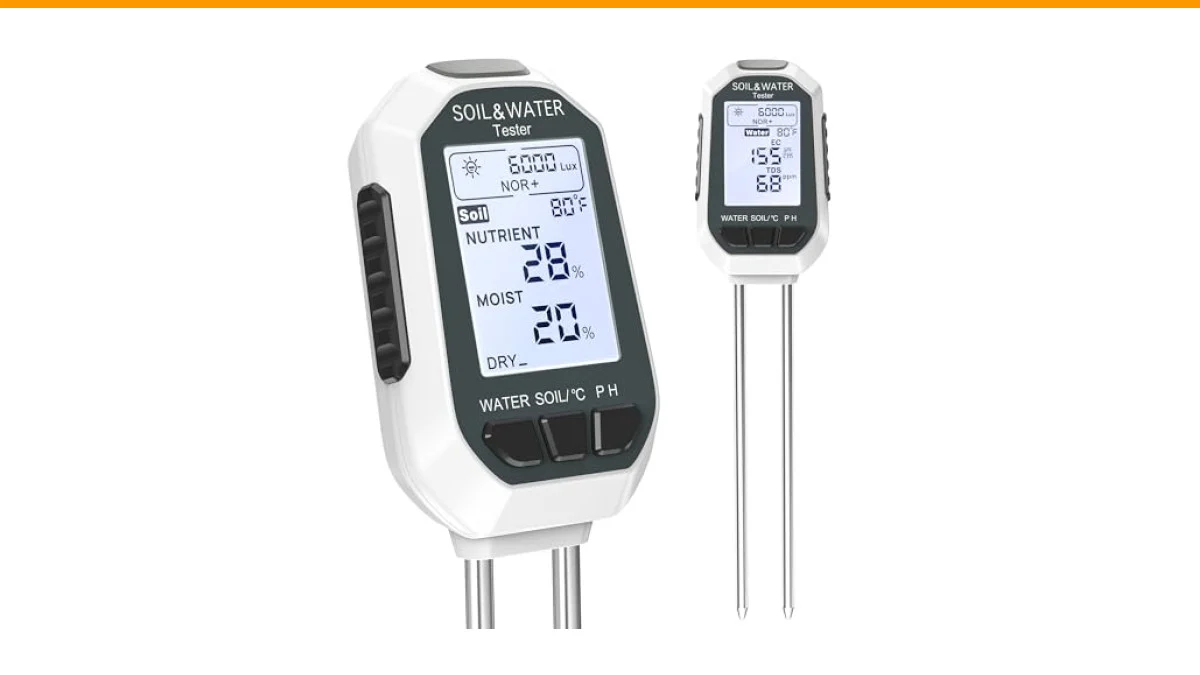
After reading this, you’ll have the knowledge to determine vital soil characteristics, ensuring your plants receive optimal care. Additionally, consider using the Buladeke Moisture Meter for Plants, a helpful tool that measures moisture, pH, temperature, and light intensity, making it easier to assess your soil health.
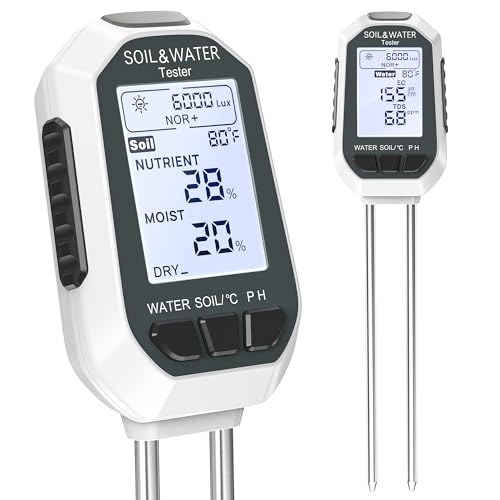
Buladeke
Buladeke Moisture Meter for Plants,7-in-1 Digital Soil Tester Kit | Soil pH Tester with LCD - Measures pH, EC, TDS, Fertility, Temp, Moisture & Sunlight, Garden Tools for Indoor & Outdoor
- 【7-in-1 Features】This is a 7-in-1 multi-function soil tester. Our soil tester quickly measures soil moisture, pH, temperature and…
- 【Large Screen & LCD Backlight】The Soil Moisture Meter has a large LCD display with white backlight that clearly shows the numerica…
- 【Fast and accurate measurement】With the latest 2025 probe technology, it can quickly and accurately measure soil pH, moisture, tem…
Understanding Soil Composition
Soil primarily consists of minerals, organic matter, water, and air. The balance of these components affects its fertility and overall health. For instance, sandy soils drain quickly but may lack nutrients, while clay soils retain moisture but can become compacted. Understanding your soil’s composition is crucial for successful gardening.
Testing Soil pH with Common Household Items
pH levels indicate how acidic or alkaline your soil is, which influences nutrient availability for plants. You can do a simple DIY test using vinegar and baking soda:
- Take a small sample of soil from your garden.
- Divide it into two separate containers.
- In one container, add vinegar. A fizzing reaction indicates alkaline soil (pH above 7).
- In the second container, add water to moisten the soil, then sprinkle baking soda. A fizzing reaction here suggests acidic soil (pH below 7).
This method won’t give you an exact pH reading but will help you understand whether your soil is more acidic or alkaline.
Assessing Soil Moisture
Soil moisture is vital for plant health. Here’s how to assess moisture without a kit:
- Take a handful of soil from your garden.
- Make a ball with the soil. If it holds together, it’s likely moist enough.
- If it crumbles easily, the soil is dry and may need watering.
- For a more precise assessment, dig about 6 inches down and check the moisture level in the deeper soil layer.
Consider using the Buladeke Moisture Meter for a quick, accurate moisture reading if you prefer a more straightforward method.
Evaluating Soil Nutrients
Nutrients are crucial for plant growth. You can do a simple test to assess nutrient levels:
- Take a soil sample and mix it with distilled water in a jar.
- Let the mixture sit for a few hours, then observe the water clarity.
- If the water is murky, it may indicate high nutrient levels, while clear water suggests lower nutrient content.
Keep in mind this method won’t provide specific nutrient values but gives a general idea of nutrient presence.
Comparison of DIY Soil Testing Methods
| Test Type | Method | Pros | Cons |
|---|---|---|---|
| pH Test | Vinegar and baking soda | Simple, quick indication | No exact pH value |
| Moisture Test | Handful soil ball test | Easy to perform | Subjective assessment |
| Nutrient Test | Soil in water jar | Basic nutrient indication | No specific nutrient levels |
Common Questions About Soil Testing
What is the ideal pH level for garden soil?
The ideal pH level for most garden plants is between 6.0 and 7.0. This range allows for optimal nutrient availability.
How often should I test my garden soil?
Testing your soil every 1-3 years is a good practice, depending on the crops you grow and amendments you add.
Can I reuse soil from previous plantings?
Yes, you can reuse soil, but it’s essential to test its nutrient levels and amend it accordingly to ensure it remains healthy for new plants.
What signs indicate poor soil health?
Yellowing leaves, stunted growth, and poor drainage can all indicate soil health issues. These symptoms suggest nutrient deficiencies or improper pH levels.
Are there any drawbacks to DIY soil testing?
While DIY methods are convenient, they may lack precision compared to professional soil testing. For critical assessments, consider sending a sample to a lab.
Final Tips for Soil Testing
- Collect soil samples from multiple locations for a comprehensive analysis.
- Test in different seasons to see how moisture and nutrients fluctuate.
- Keep a journal of your findings for future reference.
- Consider using a commercial soil tester for more detailed insights.
- Regularly amend your soil based on test results to improve plant health.
- Stay patient; optimal soil health takes time and consistent care.
- Explore more detailed options in soil testing at soil testing kit for gardening.