Weeding can feel like an endless battle for gardeners. A sunny afternoon spent pulling stubborn weeds often leads to frustration instead of enjoyment. Fortunately, there’s a simple and eco-friendly solution that not only suppresses weeds but also enriches your garden’s soil: newspaper mulch. Using layers of newspaper as mulch can significantly reduce weed growth while promoting a healthier garden ecosystem.
This article will guide you through the benefits of using newspaper mulch for weed control, how to apply it effectively, and the best practices to ensure your garden thrives. You’ll learn about the advantages of this method compared to other mulching options, including a specific product that can complement your efforts: the Natural Mulch Roll for Landscaping, made from coconut fiber. This product offers a sustainable alternative while providing excellent weed suppression.

LukLoy
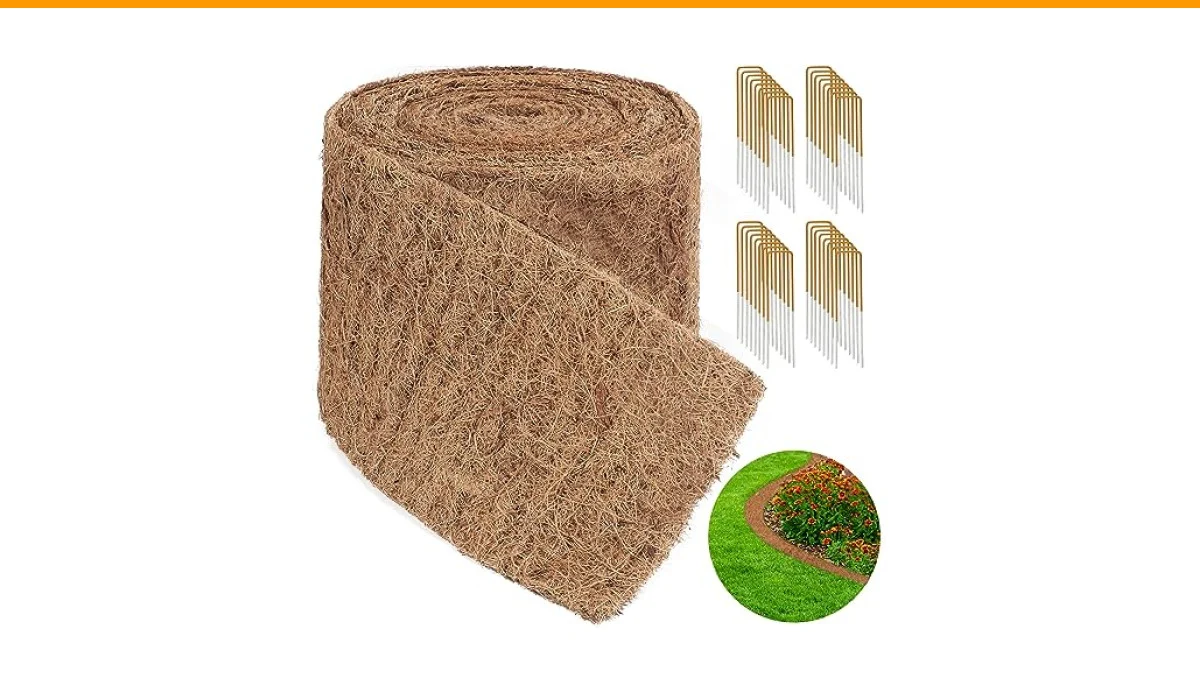
Natural Mulch Roll for Landscaping 240" X 6.3" Coconut Fiber Liner Mulch Mat with 32 U-Shaped Steel Stakes, Thick Mulch Roll for Garden Edging Border, Coconut Liners for Planters, Vegetables & Flowers
- Natural Coconut Fiber Material: Our mulch rolls are made of natural coco fiber material for environmental protection, creating a n…
- Well-Defined Borders: These coconut mulch liners in garden landscaping, create well-defined borders and mowing strips around flowe…
- Equipped with 32 U-shaped Steel Stakes: Coconut fiber mulch comes with 32 U-shaped steel stakes that perfectly match the mulch col…
Understanding how newspaper mulch works is the first step toward a weed-free garden. The layers of newspaper block sunlight, which weeds need to grow. This barrier, combined with the organic material in the soil, creates a hospitable environment for your desired plants while stifling unwanted growth.
How Newspaper Mulch Works for Weed Control
When you lay down newspaper in your garden, it acts as a physical barrier, preventing sunlight from reaching the weeds below. A layer of 5-10 sheets of newspaper works well, especially when moistened before application. This moisture helps the sheets adhere to the soil and eventually breaks down into organic matter, enriching it over time.
In addition to blocking sunlight, newspaper mulch helps retain soil moisture, which is essential for plant health. It can also improve soil structure as it decomposes, introducing beneficial microorganisms that enhance nutrient availability. The natural breakdown of the newspaper adds organic matter to the soil, which is a boon for your plants.
Application Techniques for Newspaper Mulch
Applying newspaper mulch effectively involves a few straightforward steps. Here’s a simple method to get started:
- Gather Materials: Collect several sheets of newspaper and ensure there are no glossy pages, as they may contain harmful chemicals.
- Prepare the Area: Clear the planting area of weeds and debris. Water the soil lightly to ensure it’s moist.
- Layer the Newspaper: Lay down 5-10 sheets of newspaper, overlapping the edges to prevent gaps. Wet the newspaper down to help it settle.
- Add Organic Material: Cover the newspaper with a layer of mulch (such as wood chips or straw) about 2-3 inches thick. This adds weight, preventing the newspaper from blowing away.
- Planting: If you’re planting new seeds or plants, make slits in the newspaper where you want to plant.
After applying newspaper mulch, monitor your garden. Over time, the newspaper will decompose and require replacement or refreshing. Maintaining a healthy layer will ensure continued weed suppression.
Comparative Analysis of Mulching Options
| Mulch Type | Weed Control | Soil Enrichment | Cost |
|---|---|---|---|
| Newspaper | Excellent | Good | Low |
| Coconut Fiber Mulch | Very Good | Excellent | Moderate |
| Wood Chips | Good | Moderate | Low |
| Straw | Good | Low | Low |
As illustrated, newspaper mulch stands out for its low cost and effective weed control. When combined with products like the Natural Mulch Roll for Landscaping, you can achieve enhanced soil health and maintain well-defined borders around your garden areas.
Common Questions About Newspaper Mulch
Does newspaper mulch attract pests?
Newspaper mulch is generally safe and does not attract pests. However, be cautious with food scraps or organic materials that can invite unwanted animals. Keeping your garden clean and using layers of mulch can deter pests.
How long does newspaper mulch last?
Newspaper mulch typically lasts a few months before it decomposes. You may need to refresh the layers every season to maintain effective weed control.
Can I use colored newspaper?
Avoid using colored or glossy newspaper, as these may contain harmful inks. Stick to black-and-white pages for the best results.
Is newspaper mulch safe for vegetable gardens?
Yes, newspaper mulch is safe for vegetable gardens. It decomposes into organic matter, improving soil health without introducing harmful substances.
How much newspaper do I need for a small garden bed?
For a small garden bed, around 10 sheets of newspaper should suffice. Adjust the number of sheets based on the size of the area and the thickness of your desired mulch layer.
Final Insights
- Using newspaper mulch effectively controls weeds while enriching soil health.
- Combine newspaper with organic mulch for optimal results.
- Monitor and refresh your mulch layers seasonally to maintain effectiveness.
- Ensure to use only black-and-white newspaper to avoid harmful substances.
- The Natural Mulch Roll for Landscaping complements newspaper mulch for added benefits.
- Always water the area before applying newspaper to improve adherence.
- With proper application, newspaper mulch can simplify garden maintenance significantly.