For many gardeners, achieving the right soil pH is crucial for plant health. Imagine nurturing a beautiful garden, only to discover that your plants are struggling because the soil is too alkaline. This situation is common, especially in areas with hard water or certain soil types. Understanding how to lower soil pH naturally can lead to healthier plants and a more vibrant garden.
This article will guide you through natural methods to adjust soil pH, ensuring your plants thrive. You’ll also learn about tools that can help you monitor pH levels effectively. By the end, you’ll be well-equipped to create the optimal growing environment for your plants.

Buladeke
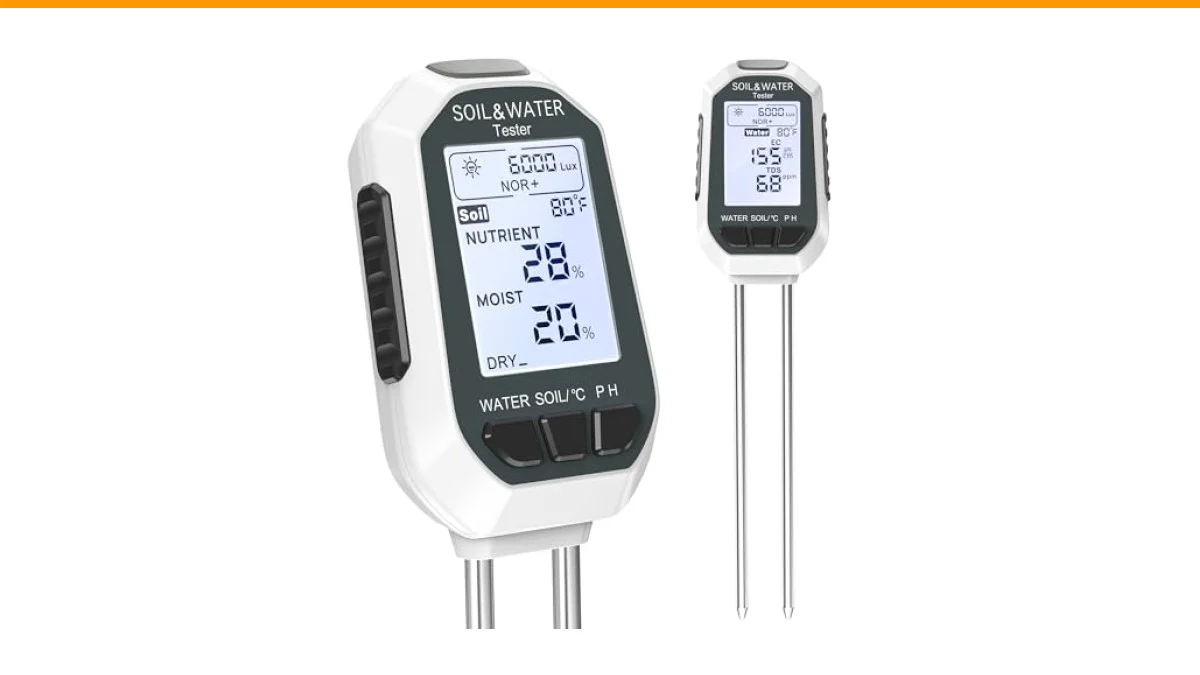
Buladeke Moisture Meter for Plants,7-in-1 Digital Soil Tester Kit | Soil pH Tester with LCD - Measures pH, EC, TDS, Fertility, Temp, Moisture & Sunlight, Garden Tools for Indoor & Outdoor
- 【7-in-1 Features】This is a 7-in-1 multi-function soil tester. Our soil tester quickly measures soil moisture, pH, temperature and…
- 【Large Screen & LCD Backlight】The Soil Moisture Meter has a large LCD display with white backlight that clearly shows the numerica…
- 【Fast and accurate measurement】With the latest 2025 probe technology, it can quickly and accurately measure soil pH, moisture, tem…
One tool that can assist in this process is the Buladeke Moisture Meter for Plants. This 7-in-1 digital soil tester provides quick measurements of soil moisture, pH, temperature, and light intensity. With this device, you can easily track your soil conditions and make informed adjustments.
Understanding Soil pH and Its Importance
Soil pH measures the acidity or alkalinity of the soil. The scale ranges from 0 to 14, with 7 being neutral. Soils with a pH below 7 are considered acidic, while those above 7 are alkaline. Most plants prefer a slightly acidic to neutral pH (around 6 to 7). When the pH is too high, essential nutrients become less available, leading to poor plant health.
For instance, if you have soil with a pH of 8.0, plants may struggle to absorb iron. Symptoms like yellowing leaves can indicate nutrient deficiencies linked to high soil pH. Knowing how to lower soil pH naturally can help you prevent these issues.
Natural Methods to Lower Soil pH
There are several natural methods to effectively lower soil pH. Here are some of the most common:
- Organic Matter: Adding organic matter, such as compost or well-rotted manure, can help gradually lower pH over time. Aim for a mixture of at least 25% organic matter.
- Elemental Sulfur: A widely used method is incorporating elemental sulfur into the soil. Generally, 1 to 2 pounds per 100 square feet can lower pH by about 1 point. Remember, this process takes a few months as soil bacteria convert sulfur to sulfuric acid.
- Peat Moss: Adding peat moss not only lowers pH but also improves soil structure. Incorporate it into the top 6 to 12 inches of soil. Aim for about 2 to 3 inches of peat moss.
- Wood Chips or Bark Mulch: These can slightly acidify the soil as they break down. Use them as mulch around your plants, but ensure they don’t form a thick layer that could hinder water absorption.
Table: Comparison of Methods to Lower Soil pH
| Method | Effectiveness | Time Frame | Application Rate |
|---|---|---|---|
| Organic Matter | Gradual | Months | 25% of mix |
| Elemental Sulfur | Fast | 3-6 months | 1-2 lbs/100 sq ft |
| Peat Moss | Moderate | Immediate | 2-3 inches |
| Wood Chips/Bark | Slight | Long-term | As mulch |
Common Questions About Lowering Soil pH
How do I know if my soil pH is too high?
Testing your soil is the best way to determine pH levels. Use a soil test kit or a professional service to get accurate readings. Ideally, aim for a pH of 6.0 to 7.0 for most plants.
Can I lower soil pH too much?
Yes, it is possible to lower soil pH excessively, leading to overly acidic conditions. Monitor your soil pH regularly, and adjust gradually to avoid drastic changes.
How quickly will the changes take effect?
Some methods, like elemental sulfur, can take several months to show results, while organic amendments may take longer as they decompose and enrich the soil.
Are there any plants that thrive in high pH soils?
Yes, certain plants, like lavender and sage, prefer alkaline soils. If your garden is alkaline, consider growing these types of plants.
Can I use vinegar to lower soil pH?
Vinegar is not a recommended option for long-term adjustments. While it can lower pH temporarily, it can also harm beneficial soil organisms if used excessively.
Final Thoughts on Lowering Soil pH Naturally
- Testing soil pH helps identify if adjustments are necessary.
- Understand the natural methods available for lowering pH.
- Use organic matter to improve soil health while adjusting pH.
- Monitor your pH levels regularly to avoid drastic changes.
- Be patient; some methods take time to show results.
- Consider the type of plants you want to grow and their pH preferences.
- Using a reliable soil tester like the Buladeke Moisture Meter can simplify monitoring.