As autumn arrives, many homeowners face the challenge of dealing with fallen leaves. Instead of bagging them for disposal, have you considered using leaves as garden mulch? This practice not only helps the environment by recycling organic material, but it also offers numerous benefits for your garden.
In this article, you’ll learn about the advantages of leaves as mulch, how to prepare and apply them, and essential tips to optimize their use. By the end, you’ll understand how to incorporate leaves into your gardening routine effectively.

MZK
In this article
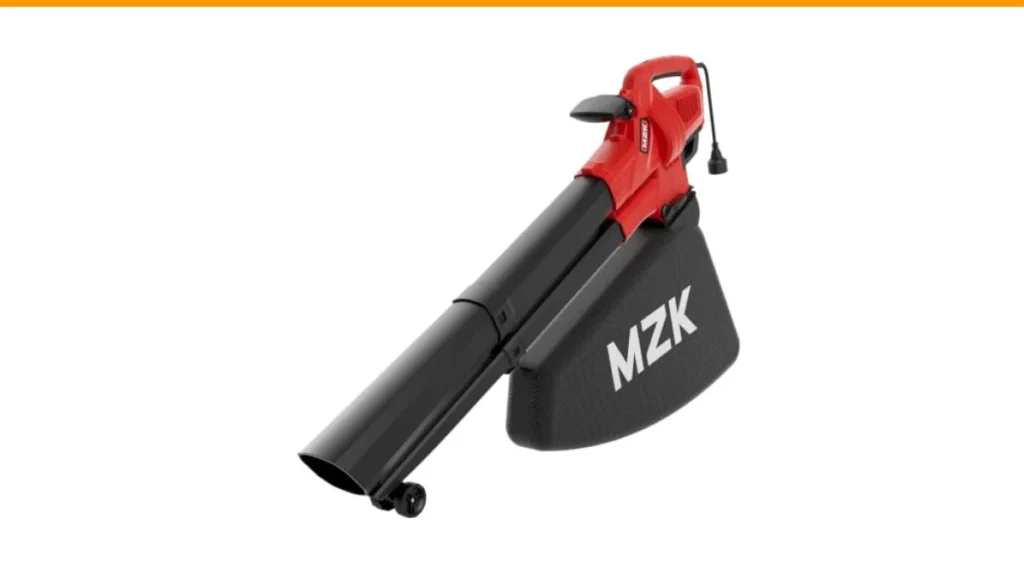
Electric Mulching Leaf Blower for Fall Leaves, Handheld Leaf Vacuum Shredder for Yard Lawn Garden
- Electric Mulching Leaf Blower for Fall Leaves, Handheld Leaf Vacuum Shredder for Yard Lawn Garden
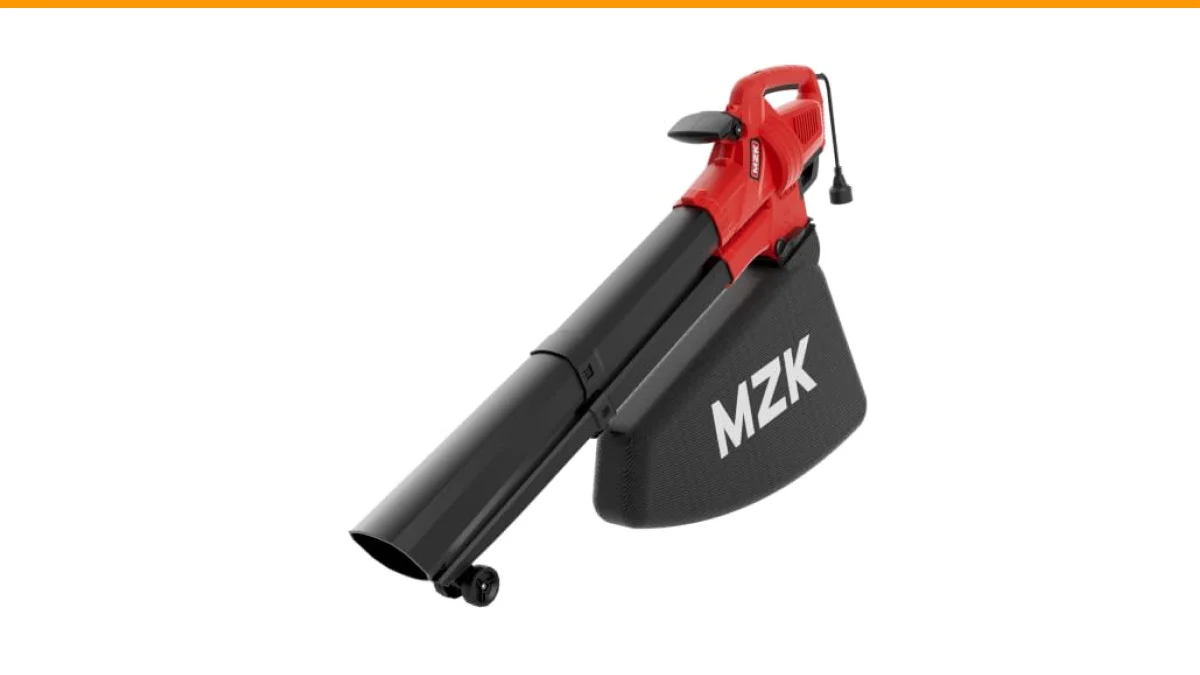
One useful tool to streamline your leaf cleanup is the MZK 3-in-1 Electric Leaf Blower Vacuum Mulcher. This device combines blowing, vacuuming, and mulching, making it easier to gather and shred leaves quickly. Its efficient 15:1 mulch ratio reduces the volume of leaves significantly, allowing you to make the most of this natural resource.
Benefits of Using Leaves as Garden Mulch
Using leaves as garden mulch offers several advantages:
- Soil Improvement: Leaves decompose over time, enriching the soil with nutrients and organic matter.
- Weed Suppression: A thick layer of leaf mulch can inhibit weed growth, reducing the need for herbicides.
- Moisture Retention: Leaf mulch helps retain soil moisture, reducing the frequency of watering.
- Temperature Regulation: It insulates the soil, keeping roots cooler in summer and warmer in winter.
How to Prepare Leaves for Mulching
Not all leaves are created equal when it comes to mulching. Here’s how to prepare them correctly:
- Collect Leaves: Gather fallen leaves from your yard, ensuring they are dry and free from disease.
- Shred the Leaves: Shredding leaves can speed up decomposition. The MZK Electric Leaf Blower Vacuum Mulcher can efficiently handle this task.
- Ensure Variety: Use a mix of different leaf types to enhance nutrient diversity. Avoid large quantities of oak leaves as they take longer to break down.
Applying Leaf Mulch in Your Garden
Once your leaves are prepared, it’s time to apply them effectively:
- Layer Thickness: Apply a layer of mulch 2-4 inches thick around plants. Too thick can suffocate plants, while too thin won’t provide adequate coverage.
- Avoid Direct Contact: Keep the mulch a few inches away from plant stems to prevent rot and pest issues.
- Refresh Annually: Add fresh leaf mulch each year to maintain its benefits and keep the soil healthy.
Comparative Methods for Using Leaves as Mulch
| Method | Pros | Cons |
|---|---|---|
| Shredded Leaves | Faster decomposition, easier to spread | Requires additional equipment |
| Whole Leaves | Easy to collect, no equipment needed | Slower breakdown, can mat down |
| Leaf Mold | Rich in nutrients, excellent soil amendment | Time-consuming to produce |
Can I use all types of leaves as mulch?
Most leaves are safe to use as mulch, but avoid using leaves from black walnut trees, as they contain juglone, which can harm certain plants.
How thick should I apply leaf mulch?
A layer of 2-4 inches is ideal. This thickness helps suppress weeds while retaining moisture.
When is the best time to apply leaf mulch?
Late fall is the best time to apply leaf mulch, after leaves have fallen but before winter sets in.
How often do I need to replace leaf mulch?
Replace leaf mulch annually or as needed. Decomposing leaves will enrich the soil but may require fresh layers for effectiveness.
Will using leaves attract pests?
Leaf mulch can attract pests like slugs and snails. Monitor your garden and take action if necessary.
Final Thoughts on Using Leaves as Garden Mulch
- Leaves are a great resource for mulching, enriching your garden soil.
- Shredding leaves can speed up decomposition and make application easier.
- Apply a 2-4 inch layer around plants while avoiding contact with stems.
- Replace leaf mulch annually to maintain its benefits.
- Monitor for pests, especially in damp conditions.
Implementing leaves as garden mulch not only benefits your plants but also contributes to a more sustainable gardening practice. With the right preparation and application, you’ll enjoy a thriving garden while minimizing waste.