Every gardener faces the challenge of choosing the right fertilizer for their plants. With so many options available, it’s common to feel overwhelmed. You might wonder whether to go for slow release or liquid fertilizer. Each type has its unique benefits and drawbacks, and understanding these can help you cultivate a thriving garden.
This article will clarify the differences between slow release and liquid fertilizer, helping you make informed decisions for your gardening needs. Get ready to explore the practical applications, benefits, and limitations of each type.

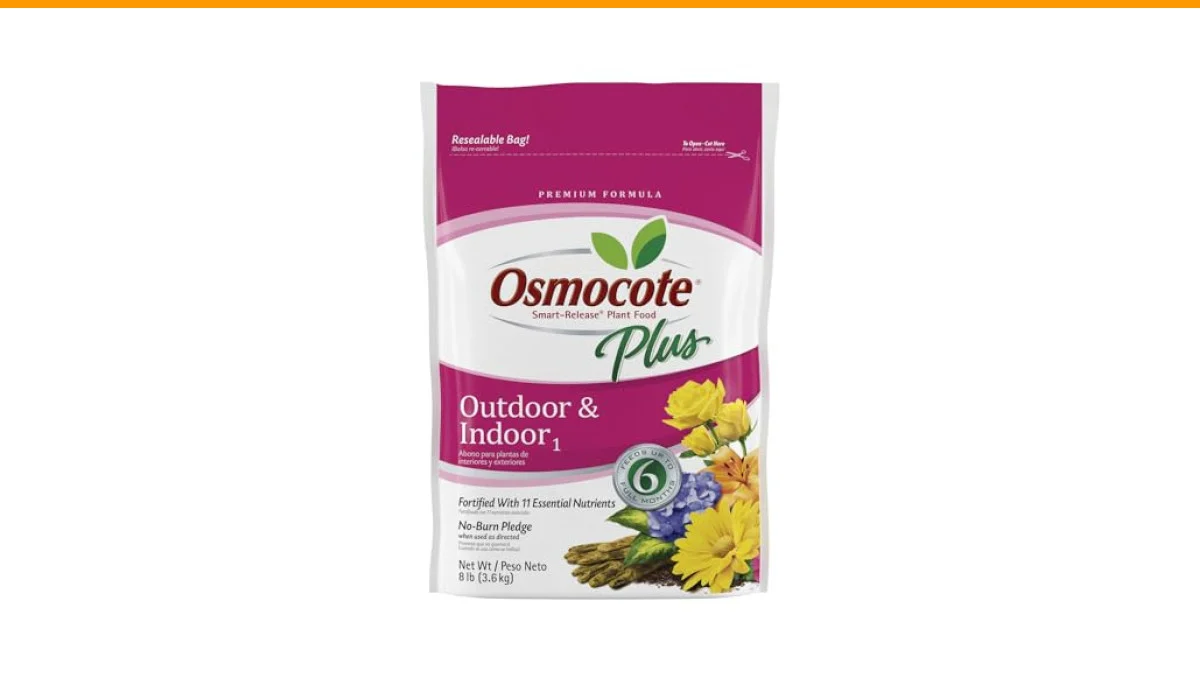
Osmocote
Osmocote Smart-Release Plant Food Plus Outdoor & Indoor1, 8 lb. | For Most Plant Types, In-Ground and Container Plants, Contains 11 Essential Nutrients
- CONTINUOUS RELEASE NUTRITION: Osmocote Smart-Release Plant Food Plus Outdoor & Indoor1 granular fertilizer contains 11 essential n…
- USE WITH VIRTUALLY ALL PLANTS: This plant food for houseplants, flowers, vegetables, trees, shrubs, roses, and more works in virtu…
- RESIN COATING: Each granule of Osmocote Plus Outdoor & Indoor1 is coated with a unique resin that controls nutritional release so…
For those looking for a reliable slow release option, the Osmocote Smart-Release Plant Food Plus Outdoor & Indoor1 offers continuous nutrition for up to six months, making it a great choice for a variety of plants. Its unique resin coating ensures that nutrients are released gradually, minimizing the risk of burning your plants.
What is Slow Release Fertilizer?
Slow release fertilizer, as the name suggests, releases nutrients gradually over time. This type of fertilizer typically comes in granular form. The granules are coated with a resin or polymer that controls how quickly nutrients are available to plants. For instance, some slow release fertilizers can last anywhere from two to six months, depending on environmental conditions.
The main advantage of slow release fertilizers is their convenience. They require less frequent application, which is particularly beneficial for busy gardeners. A good example is the Osmocote Smart-Release mentioned earlier, which can feed plants for six months.
What is Liquid Fertilizer?
Liquid fertilizer is water-soluble and provides nutrients in a form that plants can absorb almost immediately. You mix it with water and apply it directly to the soil or as a foliar spray. This fast-acting nature means that plants can take up nutrients quickly, which is ideal for situations where immediate results are desired.
However, liquid fertilizers often require more frequent applications, typically every 1-2 weeks. This can be a drawback if you prefer a low-maintenance approach. Liquid fertilizers are great for addressing nutrient deficiencies rapidly, making them suitable for container gardening and during the growing season.
Comparing Slow Release and Liquid Fertilizers
| Feature | Slow Release Fertilizer | Liquid Fertilizer |
|---|---|---|
| Nutrient Release Duration | 2 to 6 months | Immediate |
| Application Frequency | Less frequent (e.g., every few months) | More frequent (e.g., every 1-2 weeks) |
| Best Use Cases | Established plants, long-term feeding | Rapid growth, container plants, quick fixes |
| Risk of Nutrient Burn | Lower risk with proper application | Higher risk if over-applied |
| Cost | Generally higher upfront cost | Varies widely, can be cheaper per application |
Frequently Asked Questions
1. When should I use slow release fertilizer?
Slow release fertilizer is best used for established plants that need a steady supply of nutrients over time. It’s particularly effective for perennials, shrubs, and trees that thrive with less frequent feeding.
2. Can I use both slow release and liquid fertilizers together?
Yes, using both can be beneficial. For instance, you might apply a slow release fertilizer to provide baseline nutrition and supplement with liquid fertilizer during peak growth periods for an extra boost.
3. How do I know which fertilizer my plants need?
Assess the specific needs of your plants. If they show signs of nutrient deficiency, liquid fertilizer can quickly address those issues. For sustained growth, slow release fertilizers are often more suitable.
4. Is slow release fertilizer suitable for container plants?
Yes, slow release fertilizers can work well in containers, but you need to ensure that the granules are compatible with the specific growing conditions of container plants, which may require more frequent watering.
5. What are the environmental impacts of these fertilizers?
Both types can impact the environment if over-applied. Slow release fertilizers reduce the risk of nutrient runoff, while liquid fertilizers can lead to leaching if used excessively. Always follow application guidelines to minimize environmental effects.
Final Thoughts
- Slow release fertilizers provide long-lasting nutrients, making them ideal for low-maintenance gardening.
- Liquid fertilizers offer immediate nutrient availability, which is great for rapid growth and addressing deficiencies.
- Consider your plant types and growing conditions when choosing between slow release vs liquid fertilizer.
- Combining both can yield excellent results, providing steady nutrition with quick boosts as needed.
- Always follow application instructions to prevent nutrient burn or runoff.