What is Loam Soil?
Loam soil is often considered the gardener’s best friend. It strikes a balance between sand, silt, and clay, making it ideal for a variety of plants. This combination allows for good drainage, aeration, and nutrient retention. Many gardeners prefer loam for its versatility and ability to support healthy plant growth.
Characteristically, loam soil is roughly 40% sand, 40% silt, and 20% clay. This composition results in a crumbly texture that retains moisture without becoming waterlogged. Plants thrive in loamy soil due to its rich organic matter, which not only supports nutrient availability but also fosters beneficial microbial life.
Buladeke
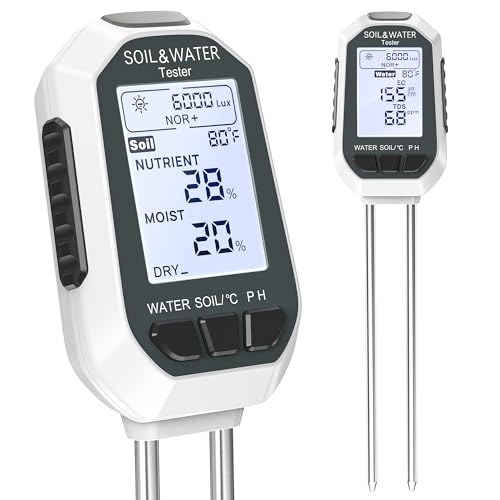
Buladeke Moisture Meter for Plants,7-in-1 Digital Soil Tester Kit | Soil pH Tester with LCD - Measures pH, EC, TDS, Fertility, Temp, Moisture & Sunlight, Garden Tools for Indoor & Outdoor
- 【7-in-1 Features】This is a 7-in-1 multi-function soil tester. Our soil tester quickly measures soil moisture, pH, temperature and…
- 【Large Screen & LCD Backlight】The Soil Moisture Meter has a large LCD display with white backlight that clearly shows the numerica…
- 【Fast and accurate measurement】With the latest 2025 probe technology, it can quickly and accurately measure soil pH, moisture, tem…
In this article, you will learn about the properties of loam soil, how to test your soil’s composition, and tips for maintaining it. Plus, we will cover some common misconceptions about loam soil to help you make informed gardening choices.
For those interested in monitoring their soil conditions, consider the Buladeke Moisture Meter for Plants. This handy tool measures soil moisture, pH, temperature, and light intensity, helping you understand your loam soil’s needs better.
Characteristics of Loam Soil
Loam soil is recognized for several key features:
- Texture: Its crumbly structure allows for easy tilling and root penetration.
- Drainage: Loam drains well, preventing waterlogging while retaining enough moisture for plant roots.
- Nutrient Retention: Rich in organic matter, loam holds nutrients effectively, making them available to plants.
- pH Balance: Loam typically has a neutral pH, which is beneficial for a wide range of plants.
These characteristics make loam an excellent choice for vegetable gardens, flower beds, and landscaping.
Common Misconceptions About Loam Soil
Misconception 1: Loam Soil is Always Fertile
While loam soil has good fertility potential due to its organic matter content, not all loam soils are created equal. Some may lack essential nutrients, especially if they haven’t been amended regularly. Testing loam soil and adding compost or fertilizers can improve its nutrient profile.
Misconception 2: Loam Soil Doesn’t Require Maintenance
Even though loam is a forgiving soil type, it still requires regular attention. Organic matter can decompose over time, leading to nutrient depletion. Regularly adding compost or mulch helps maintain its fertility and structure.
How to Test Your Soil Composition
Knowing your soil’s composition is crucial for effective gardening. Here’s how you can test if you have loam soil:
- Visual Inspection: Look for a crumbly texture that holds shape when squeezed but falls apart when poked.
- Feel Test: Take a handful of moist soil and rub it between your fingers. Loam should feel smooth and slightly gritty.
- Jar Test: Mix soil with water in a jar, shake, and let it settle. Observe the layers. A loam soil will show a relatively equal distribution of sand, silt, and clay.
Comparing Soil Types
| Soil Type | Texture | Drainage | Nutrient Retention |
|---|---|---|---|
| Loam | Crumbly, Balanced | Good | High |
| Sandy Soil | Grainy | Excellent | Low |
| Clay Soil | Sticky | Poor | High |
| Silty Soil | Smooth | Moderate | Moderate |
Frequently Asked Questions
What plants grow best in loam soil?
Loam soil supports a wide variety of plants, including vegetables like tomatoes and peppers, as well as ornamental plants like roses and perennials.
How can I improve my loam soil?
Regularly add organic matter such as compost or well-rotted manure to enhance fertility and structure. Consider applying mulch to retain moisture and suppress weeds.
Is loam soil good for raised beds?
Yes, loam soil is an excellent choice for raised beds due to its well-balanced texture, nutrient retention, and good drainage properties.
Can I convert clay soil to loam?
Yes, you can amend clay soil by adding organic matter, sand, and gypsum to improve texture and drainage, gradually transforming it into loamy soil.
Does loam soil require a lot of watering?
Loam soil retains moisture well, so it typically requires less frequent watering compared to sandy soil. However, regular monitoring is essential, especially during dry periods.
Final Thoughts
- Loam soil is a versatile medium ideal for many plants.
- It contains a balanced mix of sand, silt, and clay.
- Regular maintenance is necessary to keep loam fertile.
- Testing your soil will help you understand its composition.
- Consider using a soil tester like the Buladeke Moisture Meter for precise readings.
- Amending loam soil with organic matter can further enhance its qualities.
- A well-maintained loam soil can lead to thriving gardens and landscapes.