Understanding Loam Soil: The Ideal Growing Medium
Contents
Imagine planting a garden only to watch your plants struggle to thrive in the wrong soil. Many gardeners face this issue, often without realizing that the type of soil they choose can make or break their gardening success. This article focuses on loam soil, a versatile and nutrient-rich option that supports a wide variety of plants, making it a favorite among gardeners.
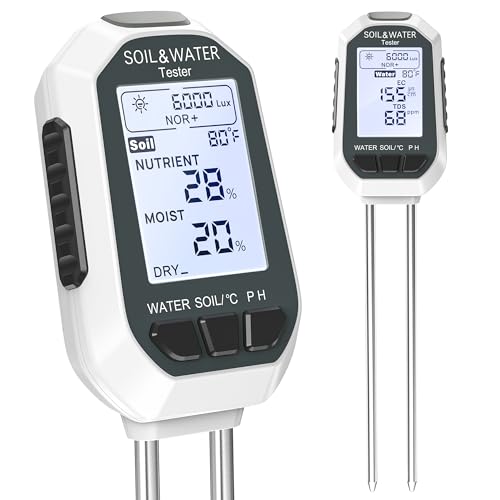
By the end of this piece, you’ll have a clear understanding of what loam soil is, its unique characteristics, and the best practices for using it effectively in your gardening endeavors. Additionally, we’ll introduce a helpful tool for monitoring soil conditions, the Buladeke Moisture Meter for Plants, a versatile soil tester that provides insights into moisture, pH, and temperature.
Buladeke
Buladeke Moisture Meter for Plants,7-in-1 Digital Soil Tester Kit
- 【7-in-1 Features】This is a 7-in-1 multi-function soil tester. Our soil tester quickly measures soil moisture, pH, temperature and…
- 【Large Screen & LCD Backlight】The Soil Moisture Meter has a large LCD display with white backlight that clearly shows the numerica…
- 【Fast and accurate measurement】With the latest 2025 probe technology, it can quickly and accurately measure soil pH, moisture, tem…

What is Loam Soil?
Loam soil is a balanced mixture of sand, silt, and clay, typically consisting of approximately 40% sand, 40% silt, and 20% clay. This combination offers the best of all three components, creating a soil that retains moisture without becoming waterlogged, provides good drainage, and is fertile enough to support a diverse range of plants.
The texture and composition of loam soil allow it to hold nutrients effectively while also enabling good air circulation and drainage. This makes it particularly suitable for gardening, as plants thrive in well-aerated soil that retains moisture without suffocating roots.
Characteristics of Loam Soil
When evaluating loam soil, several key characteristics stand out:
- Texture: Loam soil feels soft and crumbly, making it easy to work with. It has a granular texture due to the mix of sand, silt, and clay.
- Drainage: Loam drains well, preventing waterlogging while still retaining enough moisture for plant growth.
- Nutrient-Rich: This soil type is typically high in organic matter, providing essential nutrients that promote healthy plant growth.
- pH Level: Loam often has a neutral pH, which is ideal for most plants, although specific crops may prefer slightly acidic or alkaline conditions.
Benefits of Using Loam Soil
Loam soil offers numerous benefits for gardeners and landscapers alike:
- Versatility: Suitable for a wide range of plants, from vegetables to flowers, loam provides an excellent growing medium.
- Improved Drainage: Its drainage capabilities mean less risk of root rot and other water-related issues.
- Easy to Work With: Loam’s texture allows for easy tilling and planting, making it user-friendly for both novice and experienced gardeners.
- High Fertility: The organic matter found in loam enriches the soil, promoting biodiversity and healthy plant ecosystems.
- Water Retention: While it drains well, loam also retains moisture, reducing the need for frequent watering.
Comparing Soil Types
| Soil Type | Composition | Water Retention | Nutrient Availability | Best For |
|---|---|---|---|---|
| Loam | 40% Sand, 40% Silt, 20% Clay | Moderate | High | Most plants |
| Sandy Soil | More than 70% Sand | Low | Low | Cacti, succulents |
| Clay Soil | More than 40% Clay | High | Moderate | Rice, certain vegetables |
| Silty Soil | More than 60% Silt | Moderate | High | Leafy greens |
FAQs about Loam Soil
1. How do I know if I have loam soil?
To determine if you have loam soil, conduct a simple squeeze test. Take a handful of damp soil and squeeze it. If it forms a ball that holds together but crumbles easily when disturbed, you likely have loam.
2. Can I improve my existing soil to become loamy?
Yes, you can amend existing soil with organic matter like compost, peat moss, or well-rotted manure to improve its texture and nutrient content, making it more loamy over time.
3. Is loam soil good for vegetable gardens?
Absolutely. Loam soil is often considered the ideal choice for vegetable gardens due to its balanced composition, which supports healthy plant growth.
4. What are common plants that thrive in loam soil?
Many plants thrive in loam, including tomatoes, peppers, carrots, and a variety of flowers. Its versatility makes it suitable for nearly any garden type.
5. How often should I test my loam soil?
Testing your loam soil every 1-2 years is recommended. Regular testing helps ensure that nutrient levels and pH remain optimal for plant growth. A tool like the Buladeke Moisture Meter can make this process easier.
Final Thoughts on Loam Soil
- Loam soil is a balanced mixture ideal for a wide variety of plants.
- Its texture allows for good drainage while retaining necessary moisture.
- Regular soil testing can help maintain optimal conditions for growth.
- Amending existing soil with organic matter can improve its quality.
- Using tools like the Buladeke Moisture Meter can enhance your gardening experience.
- Explore different soil types to understand what works best for your garden.
- Loam is often the gold standard for gardeners, thanks to its versatility.