Imagine walking through your garden, surrounded by lush greenery and vibrant flowers. You notice how every plant seems to thrive, and you wonder about the secret behind their success. The truth is, many gardeners achieve this through the use of homemade fertilizers, which not only nourish plants but also promote sustainable gardening practices. In this article, you’ll learn several effective homemade fertilizer recipes, their benefits, and how to apply them correctly to get the best results.
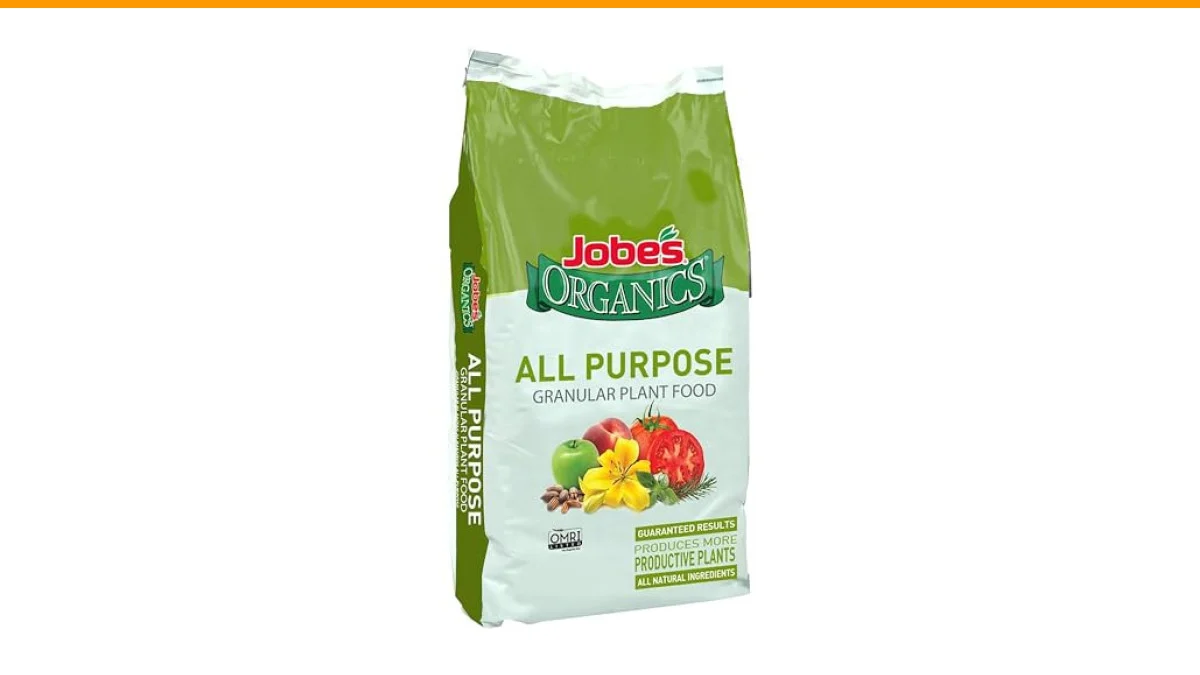
Using homemade fertilizers is not just cost-effective; it also allows you to control what goes into your garden. One excellent commercial product that complements homemade efforts is Jobe’s Organics Granular All Purpose Fertilizer. This 16-pound bag provides a balanced nutrient profile (4-4-4 NPK) without synthetic chemicals, making it a great choice for those who want to ensure their plants receive quality nutrients without the risk of runoff or harmful additives.

Jobe's Organics
Jobe’s Organics Granular All Purpose Fertilizer, Easy Plant Care Fertilizer for Vegetables, Flowers, Shrubs, Trees, and Plants, 16 lbs Bag
- Package contains 16 Pounds organic all purpose plant fertilizer grains and is produced to avoid wasteful runoff, mess, hazards and…
- Plant fertilizer is formulated with a 4-4-4 NPK to provide vegetables, plants, and flowers nutrients they need for a high yield an…
- Jobe's organic fertilizer contains no synthetic chemicals and are OMRI listed for organic gardening by the USDA
Understanding the Basics of Homemade Fertilizers
Homemade fertilizers are typically made from natural materials that provide essential nutrients to plants. The main nutrient categories are nitrogen (N), phosphorus (P), and potassium (K), often referred to as NPK. Understanding these nutrients helps you choose the right homemade recipe based on your plants’ needs:
- Nitrogen: Vital for leaf growth, nitrogen-rich fertilizers are great for leafy vegetables and grasses.
- Phosphorus: Important for root development and flowering, phosphorus is essential for fruiting plants.
- Potassium: Helps with overall plant health, disease resistance, and drought tolerance.
Top Homemade Fertilizer Recipes
Here are some easy-to-make recipes that provide balanced nutrition for various types of plants:
1. Banana Peel Fertilizer
Banana peels are rich in potassium and phosphorus. To make this fertilizer:
- Chop 2-3 banana peels into small pieces.
- Place them in a jar and fill it with water.
- Let it sit for 48 hours, then dilute the liquid with water (1 part fertilizer to 4 parts water) and use it to water your plants.
2. Coffee Grounds Fertilizer
Coffee grounds are an excellent source of nitrogen. They can improve soil structure as well:
- Collect used coffee grounds (about 1 cup).
- Sprinkle them directly onto the soil or mix them into your compost pile.
- Water the area afterward to help integrate the grounds into the soil.
3. Eggshell Fertilizer
Eggshells provide calcium, which is vital for plant cell growth:
- Rinse and dry eggshells, then crush them into small pieces.
- Add them to planting holes or sprinkle them on top of the soil.
4. Epsom Salt Fertilizer
Epsom salt contains magnesium, which helps with photosynthesis:
- Dissolve 1 tablespoon of Epsom salt in a gallon of water.
- Use this solution to water your plants once a month.
Comparative Overview of Homemade Fertilizer Recipes
| Recipe | Main Nutrient | Best For | Application Frequency |
|---|---|---|---|
| Banana Peel | Potassium, Phosphorus | Flowering plants, fruiting vegetables | Every 2 weeks |
| Coffee Grounds | Nitrogen | Leafy greens | Monthly |
| Eggshells | Calcium | Tomatoes, peppers | At planting time |
| Epsom Salt | Magnesium | All plants | Monthly |
Common Questions About Homemade Fertilizers
Can I use homemade fertilizers every time I water my plants?
It’s best to use homemade fertilizers every 2-4 weeks. Over-fertilizing can lead to nutrient imbalances and damage your plants.
Are there any plants that shouldn’t receive homemade fertilizers?
Some sensitive plants, like certain succulents, may not respond well to homemade fertilizers. Always consider the specific needs of your plants.
How long does it take for homemade fertilizers to show results?
Typically, you’ll see results within a few weeks, depending on the type of fertilizer and the plant type.
Are homemade fertilizers safe for all types of plants?
Most homemade fertilizers are safe, but it’s crucial to research specific plants. Some may require more balanced nutrients.
Can I mix different homemade fertilizers?
Mixing different homemade fertilizers can be beneficial, but ensure the nutrients don’t conflict. For example, combining banana peels and coffee grounds can provide a balanced nutrient profile.
Final Thoughts on Homemade Fertilizers
- Experiment with different recipes to find what works best for your plants.
- Always observe your plants’ reactions to the fertilizers used.
- Consider complementing homemade fertilizers with commercial options like Jobe’s Organics Granular All Purpose Fertilizer.
- Maintain a consistent fertilizing schedule for optimal growth.
- Your homemade efforts contribute to healthier, more sustainable gardening.
- Document your results to refine your approach over time.
- Stay informed about your plants’ specific nutrient needs through reliable gardening resources.